Home Inspection Narrative Examples: Clear Report Language Inspectors Can Adapt in the Field
Home inspection narrative examples are useful only if they sound like something you would actually say after seeing the condition yourself.
That is the trap with a lot of canned report language. It looks polished in a library, but once you are on a real inspection with limited access, mixed conditions, and a client asking questions in the background, generic wording starts to fall apart. You do not need fancier writing. You need cleaner observation, clearer implication, and a recommendation that matches the evidence.
This guide gives you practical home inspection narrative examples you can adapt in the field. Not to copy blindly. To help you build report language that is specific, defensible, and fast to produce while the condition is still in front of you.
Note
Strong inspection narratives usually follow the same simple structure: location, observed condition, why it matters, and recommended next step. If one of those pieces is missing, the report often gets vague.
What a Good Inspection Narrative Actually Needs to Do
A good narrative is not there to sound impressive. It has a job:
- tell the client exactly what was observed
- explain why the condition matters without exaggerating
- create a record that holds up when the client reads it again two weeks later
- point to the right next action
That means your language should be anchored to what you saw, not to what you assume is hidden behind the wall, under the roof covering, or inside the equipment.
For a broader workflow, pair this with our guides on how to write a home inspection report, inspection report template, and inspection notes app.
The Four-Part Formula That Keeps Narratives Clean
Before the examples, here is the structure worth repeating on almost every finding:
Location:
Observed condition:
Why it matters:
Recommended action:
You can shorten or expand the final sentence depending on the severity, but that skeleton keeps you from writing mush like "repair as needed" with no actual context.
Key Takeaway
If you are dictating on site, speak the location first. That single habit makes later report cleanup much faster because the finding is already anchored to the right area.
Roof Narrative Examples
Missing or damaged shingles
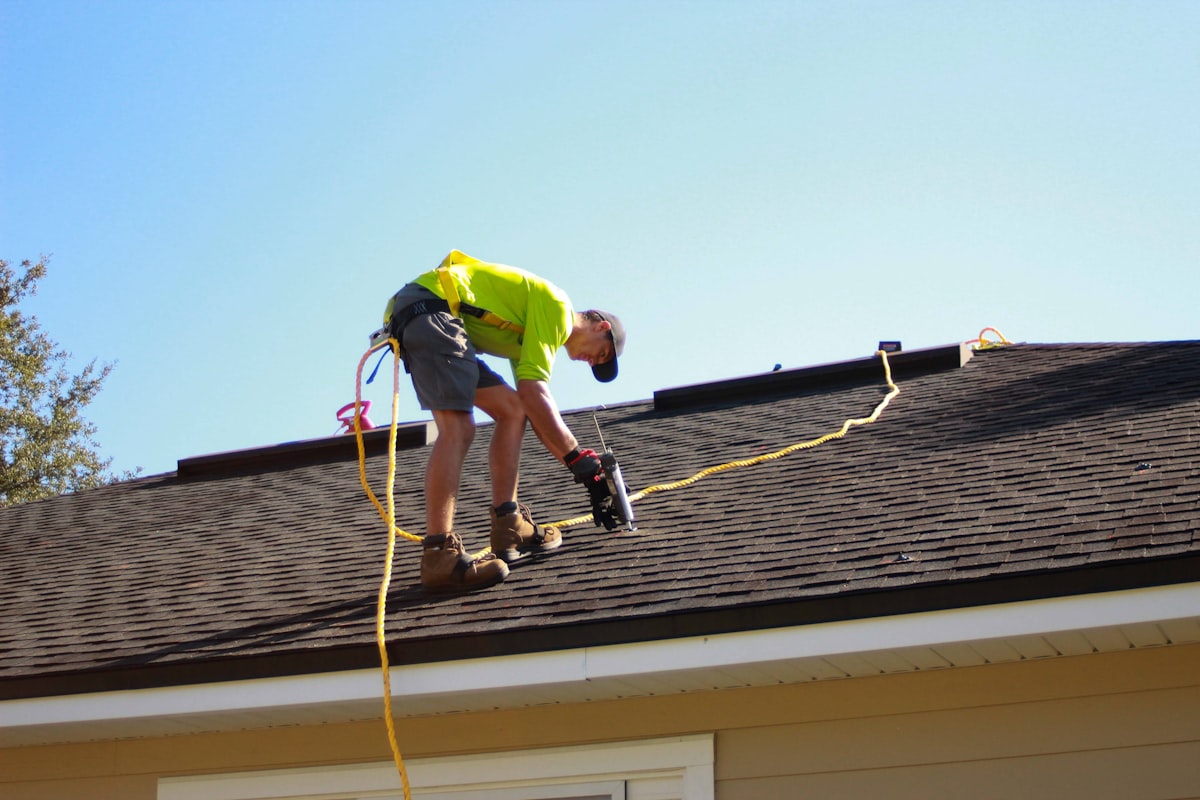
"At the rear roof slope, several shingles were observed missing or damaged at the time of inspection. These conditions can allow water intrusion and contribute to concealed roof-related damage. Recommend evaluation and repair by a qualified roofing contractor."
Exposed fasteners
"Exposed fasteners were observed at the front roof slope. Exposed fastener locations can be more vulnerable to moisture entry and may reflect prior patchwork or incomplete repairs. Recommend roofing-contractor correction as needed."
Flashing concern at a penetration
"At the plumbing vent penetration above the main roof area, flashing appeared weathered and sealant-dependent. Deteriorated flashing details can allow moisture intrusion at roof penetrations. Recommend repair by a qualified roofing contractor."
If roof language is a common weak spot in your reports, our roofing inspection checklist, roof flashing inspection, and roof leak inspection go deeper on what to capture before you leave the property.
Exterior Narrative Examples
Grading sloped toward the structure
"Negative grading was observed along portions of the left-side foundation perimeter, where soil appeared to slope toward the structure. This can contribute to moisture intrusion and foundation-related concerns over time. Recommend correcting grading to direct water away from the home."
Damaged siding
"Localized siding damage was observed at the rear elevation near the patio area. Damaged siding can allow moisture entry and may accelerate deterioration of underlying materials. Recommend repair or replacement of the affected sections."
Loose handrail
"The handrail at the front entry stairway was loose when tested. A loose handrail may not provide reliable support during normal use and presents a safety concern. Recommend repair for improved safety."
Electrical Narrative Examples
Double-tapped breaker
"Within the main electrical panel, a breaker appeared to have more than one conductor terminated at a lug not visibly rated for multiple conductors. Improper terminations can contribute to unreliable connections and overheating. Recommend evaluation and correction by a licensed electrician."
Missing GFCI protection
"A receptacle serving the kitchen countertop area tested without GFCI protection at the time of inspection. Receptacles in wet or damp-prone areas without GFCI protection present increased shock risk. Recommend licensed electrician correction."
Open knockout at panel
"An open knockout was observed in the main panel cabinet. Open cabinet openings can allow unwanted entry of debris or accidental contact with energized components. Recommend installation of an appropriate closure by a licensed electrician."
Our electrical inspection checklist and electrical inspection report template are useful companion pieces if you want these narratives to line up with a better onsite capture sequence.
Plumbing Narrative Examples
Active leak under sink
"Active leakage was observed at the drain piping below the hall bathroom sink during the inspection. Ongoing leakage can damage adjacent finishes and cabinetry and may contribute to microbial growth conditions. Recommend repair by a qualified plumbing contractor."
Improper TPR discharge pipe
"The water heater temperature and pressure relief valve discharge pipe did not appear to terminate in a proper manner at the time of inspection. Improper discharge piping can create a safety concern if the valve opens under pressure. Recommend correction by a qualified contractor."
Corrosion at supply shutoff
"Corrosion was observed at the laundry supply shutoff connection. Corrosion can indicate long-term leakage or material deterioration and may lead to future failure. Recommend repair or replacement by a qualified plumbing contractor."
HVAC Narrative Examples
Dirty evaporator or restricted airflow condition
"Cooling performance appeared reduced at the time of inspection, and restricted airflow conditions were noted at the return side. Reduced airflow can affect comfort, system efficiency, and component life. Recommend service by a qualified HVAC contractor."
Rusted auxiliary drain pan
"The auxiliary drain pan beneath the attic air handler showed rusting and signs of prior moisture exposure. These conditions may reflect past or ongoing condensate management issues. Recommend HVAC contractor evaluation and correction as needed."
Missing service documentation on older unit
"The air-conditioning system appeared older, and no documentation of recent professional servicing was available at the time of inspection. Older equipment may continue to function while still being closer to the end of its typical service life. Recommend budgeting for repair or replacement and obtaining HVAC servicing as needed."
If you want a field-ready system for mechanical reporting, see our HVAC inspection checklist and HVAC inspection report template.
Interior and Structure Narrative Examples
Ceiling staining
"Staining was observed on the ceiling surface in the upstairs hallway. The visible staining pattern may reflect prior or ongoing moisture intrusion; however, the source was not confirmed during this visual inspection. Recommend further evaluation and repair as needed by an appropriate qualified contractor."
Settlement cracking
"Cracking consistent with settlement-related movement was observed at interior wall finishes in multiple areas. Some cracking can be common in homes, but wider or recurring movement-related cracks may warrant closer review. Recommend monitoring and further evaluation if movement appears active or progressive."
Window that would not open
"The bedroom window at the rear elevation did not operate normally at the time of inspection. Inoperable windows can affect ventilation, convenience, and emergency egress depending on location and room use. Recommend repair."
Attic and Crawl Space Narrative Examples
Limited attic access
"Attic inspection was limited by restricted clearance and insulation coverage in parts of the space. Conditions concealed by these limitations were not fully observable at the time of inspection. Recommend reviewing the limitation note with the report and monitoring for signs of hidden defects."
Evidence of past moisture at sheathing
"Localized staining was observed on attic roof sheathing near a roof penetration. This may indicate prior or ongoing moisture intrusion. Recommend roofing-contractor evaluation and repair as needed, along with monitoring for additional leakage evidence."
Crawl-space moisture conditions
"Elevated moisture-related conditions were observed in the crawl space, including damp soil and localized material staining. Excess crawl-space moisture can contribute to wood deterioration, insulation damage, and indoor air concerns over time. Recommend corrective moisture management and further evaluation by a qualified contractor."
Limitation Narrative Examples
Some of the most important language in your report is not defect language. It is limitation language.
Blocked electrical panel
"The electrical panel was not fully accessible due to stored contents at the time of inspection. Full evaluation of the panel area was therefore limited. Conditions hidden by this restriction were not fully observable."
Unsafe roof access
"Roof access was limited due to safety considerations at the time of inspection, including roof pitch and/or surface conditions. The roof was evaluated from accessible vantage points only. Conditions not visible from those vantage points may not have been identified."
Occupied room limitation
"Inspection of portions of the occupied storage area was limited by furnishings and stored belongings. Components hidden from view were not fully evaluated."
This kind of wording matters because it documents what you could not reasonably verify. InterNACHI's sample narratives and sample home inspection reports are useful references for seeing how other inspectors handle scope and observation language.
What Makes a Narrative Sound Weak
Most weak narratives fail in one of four ways.
They skip the location
"Crack observed" is not useful if the client has no idea where the crack was.
They overstate certainty
If you did not confirm the hidden source, do not write as if you did.
They use empty recommendation language
"Repair as needed" is usually too vague unless the rest of the sentence already made the issue clear.
They try to sound legal instead of useful
You are writing for a client first, and for defensibility second. Clear language usually serves both.
InspectorPro's report writing best-practices article makes the same point in a different way: the best reports are specific, readable, and consistent.
A Faster Way to Build Better Narratives in the Field
The easiest way to improve your report language is not to spend hours polishing canned libraries after work.
It is to capture the finding while you are still looking at it.
When inspectors wait until the end of the day, this is what usually gets lost first:
- the exact location
- the severity tone
- the photo-to-finding match
- the wording that felt obvious while standing there
That is why voice capture works so well for report writing. You can speak the location, condition, implication, and recommendation in one pass, then clean it up instead of rebuilding it from memory later.
Final Word
The best home inspection narrative examples are not the ones with the fanciest wording. They are the ones that help you say exactly what you saw, why it matters, and what should happen next.
If you are still typing most of your findings after the inspection is over, that is the part of the workflow worth fixing first. ReportWalk is built for inspectors who want to document findings with voice instead of typing, keep photos tied to the right observation, and leave the property with structured report language already taking shape. If that sounds closer to how you actually work in the field, you can try ReportWalk on the App Store.