Roof Leak Inspection: Step-by-Step Field Checklist + Photo/Voice Documentation Tips
Roof leaks are rarely “a hole in the roof.” They’re usually a flashing detail, a penetration, a valley transition, or a water management issue that shows up inside far away from the entry point.
For inspectors, the job isn’t to guarantee the source — it’s to document the evidence, identify the most likely suspects, and recommend the right next step.
This is a practical roof leak inspection flow you can run fast.
Important
Only access roofs when safe and allowed by your SOP. If conditions are unsafe, document limitations and inspect from accessible vantage points.
Step 1: Start Inside (Document Evidence)
Look for:
- Ceiling stains (shape matters)
- Bubbling paint / swollen drywall
- Wet insulation at attic (if accessible)
- Mold-like growth (describe as “suspected microbial growth” if SOP requires)
Photo set:
- Room context
- Close-up of stain/damage
- Moisture meter reading (if used)
Step 2: Go Up One Level (Attic/Above the Stain)
If attic is accessible:
- Look for staining at roof sheathing
- Nail point rust staining
- Wet insulation trails
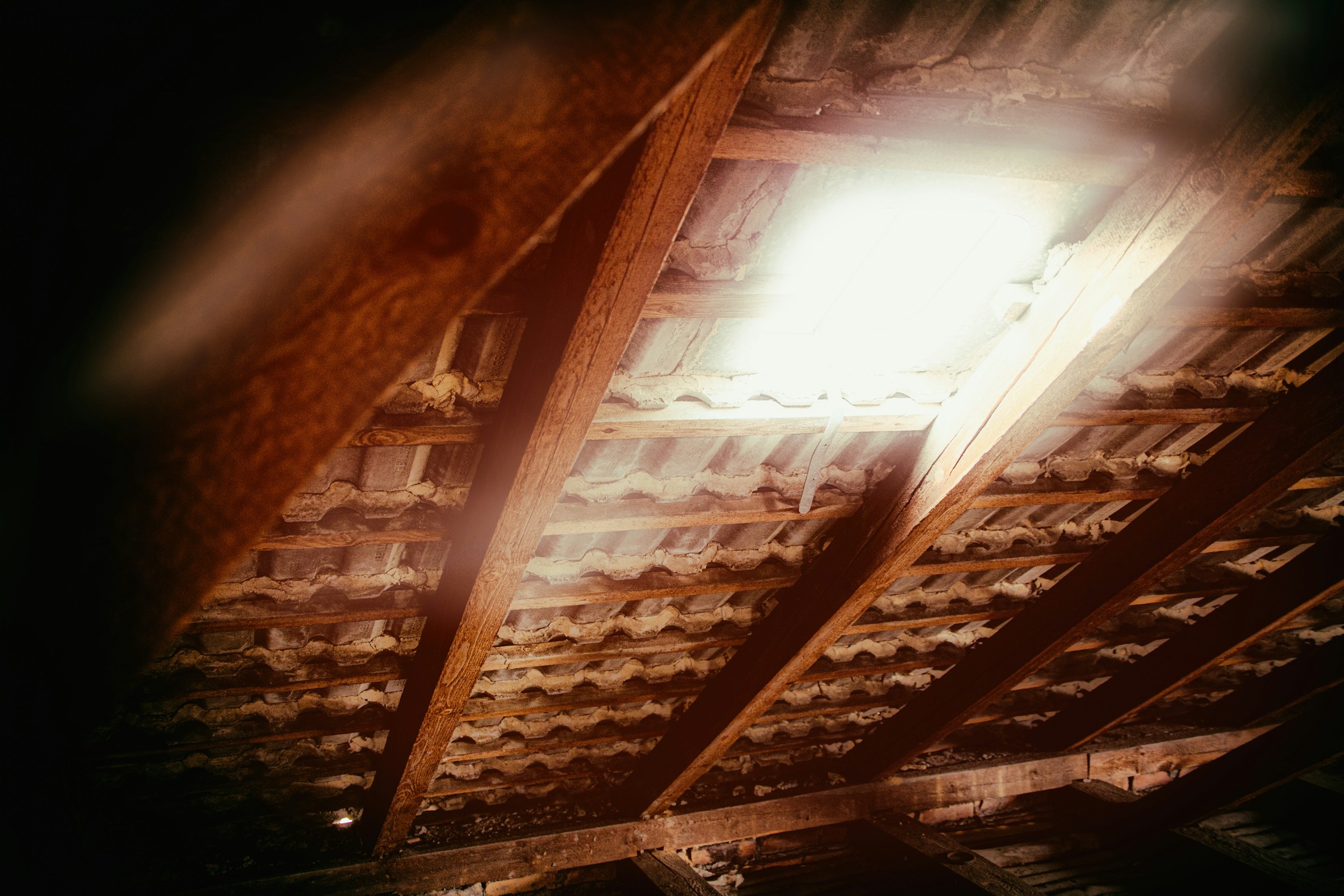
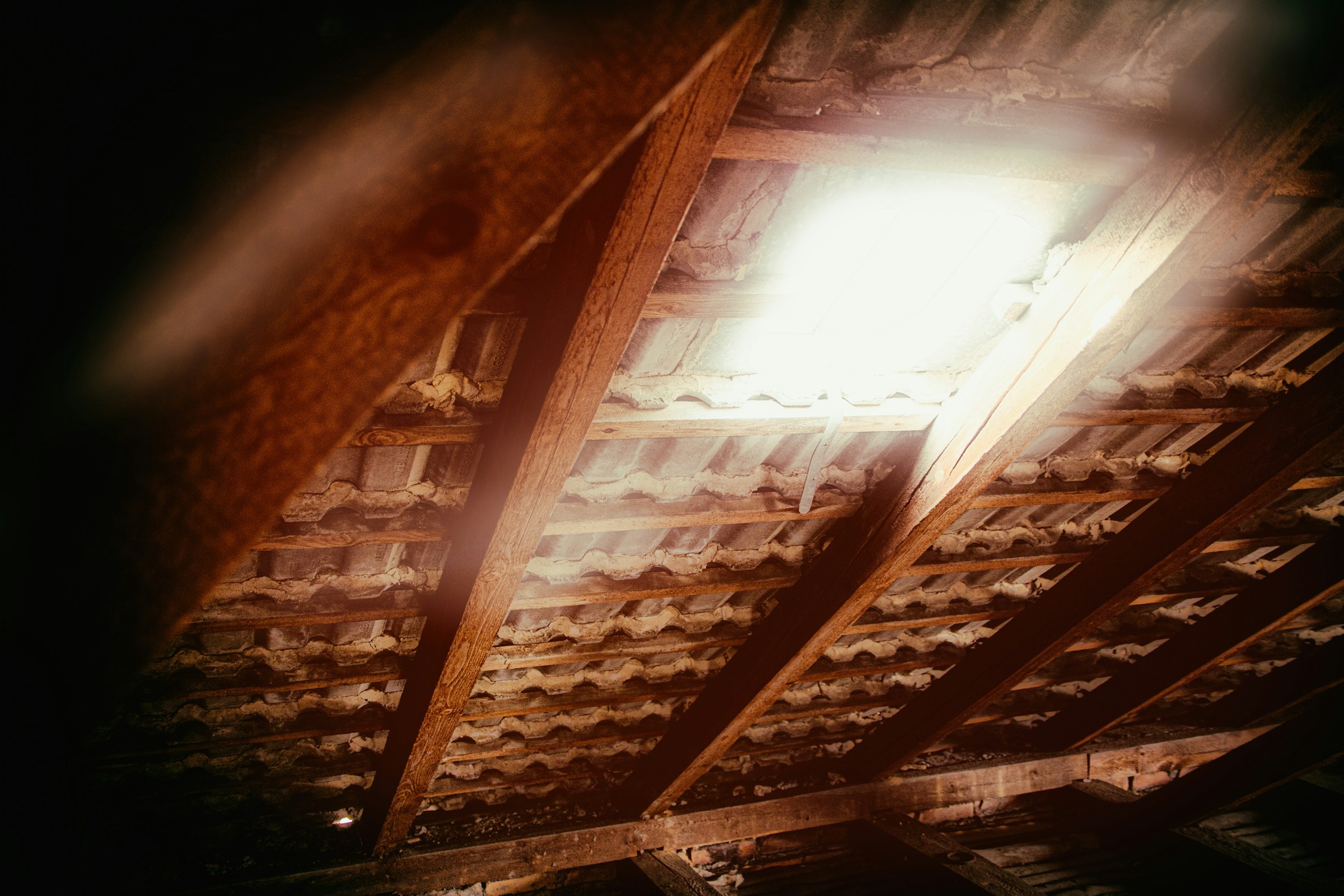
- Daylight at penetrations
Document limitations if attic is blocked or unsafe.
Step 3: Exterior “Suspect List” (Most Common Sources)
- Plumbing vent flashing failures
- Chimney flashing/counterflashing gaps
- Valley debris or worn valley metal
- Step flashing at sidewalls
- Skylight flashing
- Missing shingles / nail pops / exposed fasteners
- Gutters overflowing back under drip edge
Step 4: Match Interior Location to Roof Features
A leak near an exterior wall often points to:
- sidewall flashing
- kickout flashing
- window/WRB issues (not always roof)
A leak mid-ceiling often points to:
- penetrations upstream
- valleys
- ridge/vent issues
Step 5: Report Language Templates
Evidence documented; source not confirmed
“Water staining observed at ____ . No active leakage was observed at the time of inspection. Due to the limitations of a visual inspection and potential concealed pathways, the exact source could not be confirmed. Recommend evaluation by a qualified roofing contractor.”
Flashing likely contributor
“Defects observed at flashing/penetration(s) (____). Conditions can allow moisture intrusion. Recommend repair by a qualified roofing contractor.”
Limitation language
“Roof inspection was limited due to ____ (slope/height/weather). Roof and related components were observed from accessible areas and from ground/eave vantage points. Recommend further evaluation by a qualified roofing contractor for additional certainty.”
Photo/Voice Tips That Save Time
- Take one wide shot before close-ups (location context)
- Photograph the roof feature that corresponds to the stain (penetration/valley)
- Dictate a single sentence in the format: “Location → evidence → likely source(s) → recommendation”
Where ReportWalk Helps
Roof leak narratives are easy to underwrite (“stain noted”) or overpromise (“leak from vent”). ReportWalk helps you dictate clear, defensible findings with the right photos attached — fast.
Quick Field Checklist (Copy/Paste)
- Interior stain/damage documented (context + close)
- Attic evidence checked (if accessible) or limitation noted
- Roof penetrations/valleys/flashings evaluated from safe vantage points
- Most likely sources listed as recommendations (not certainties)
- Clear roofing contractor evaluation/repair recommendation