Electrical Inspection Report Template: What Inspectors Need to Capture Before Leaving the Site
An electrical inspection report template is only as good as the information you collect before you leave the site. That is the part many inspectors underestimate. Once the panel cover is back on, the dead-front screws are tightened, and you are halfway to the next job, it becomes much harder to remember whether the heat damage was on the neutral bar, which breaker was double-tapped, or whether the exterior receptacle lacked GFCI protection or just failed testing.
The report does not get better later unless the field capture was strong first.
This guide is about that field capture. Not general electrical inspection theory. Not a long code summary. Just the exact details an inspector should lock down before leaving so the final report reads clearly and defensibly.
Important
If a panel or component appears unsafe to inspect, document the limitation first. A strong electrical report starts with safe inspection boundaries, not forced access.
The Job of an Electrical Report Template
Your template should help you do three things:
- record exactly what was observed
- rank the finding by significance
- recommend the right next step without over-claiming
That sounds basic, but a lot of electrical narratives still collapse into some version of “further evaluation recommended.” The phrase is not wrong. It is just incomplete when it stands alone.
What You Need Before You Leave the Site
At minimum, capture these categories while still onsite:
- Service and panel identity
- Safety-significant defects
- Representative outlet and protection findings
- Clear limitation notes
- Photo evidence that matches the written narrative
If any one of those is missing, the final report usually gets softer and less specific than it should be.
Service and Panel Details to Capture
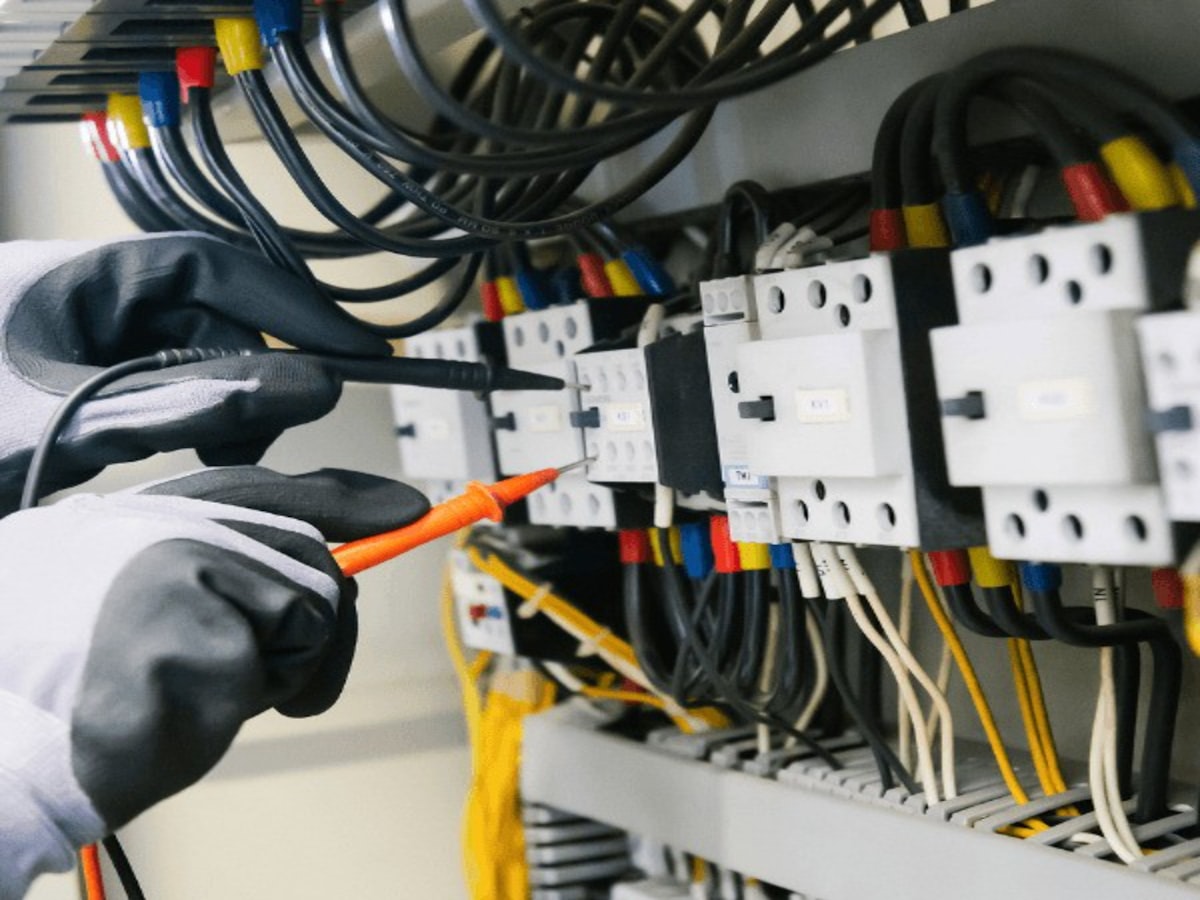
Before you close the panel, make sure you have:
- panel manufacturer
- service amperage or main breaker rating if visible
- panel location
- open-panel overview photo
- label or directory photo when relevant
- notes on moisture, corrosion, overheating, or workmanship issues
These are the basics that give the narrative context. A defect note without the panel context feels disconnected to the client and contractor.
For broader inspection flow, Electrical Inspection Checklist and Electrical Panel Inspection Checklist are the right companion reads.
The Field Template for Each Electrical Finding
Use the same structure every time:
Location:
Component:
Observed Condition:
Why It Matters:
Recommended Action:
Photo Reference:
That structure works for panel defects, receptacle issues, missing GFCI protection, damaged fixtures, and service limitations.
Examples of What to Record
Panel termination issue
- Location: Garage main panel, breaker position right column mid-section
- Component: Branch circuit breaker termination
- Observed Condition: Two conductors under a terminal that appears rated for one conductor
- Why It Matters: Improper terminations can contribute to unreliable connections and abnormal heating
- Recommended Action: Licensed electrician correction
Moisture-related panel concern
- Location: Basement subpanel
- Component: Interior panel cabinet
- Observed Condition: Corrosion and moisture staining visible within cabinet
- Why It Matters: Moisture in electrical equipment can degrade components and create unsafe conditions
- Recommended Action: Prompt electrician evaluation and correction of moisture source
Exterior receptacle issue
- Location: Rear patio receptacle
- Component: Exterior branch-circuit receptacle
- Observed Condition: Receptacle was not GFCI-protected at time of inspection
- Why It Matters: Wet-location receptacles without GFCI protection present shock risk
- Recommended Action: Licensed electrician upgrade/correction
That is enough structure to make the final report easy to assemble without turning every finding into an essay.
Rank the Findings Before You Start Writing
Not every electrical note deserves the same reporting weight.
Higher-priority call-outs
- heat damage
- active corrosion or moisture intrusion
- unsafe legacy equipment concerns
- exposed conductors
- missing covers at energized components
- improperly protected wiring with obvious safety implications
Moderate findings
- open grounds at sampled receptacles
- missing directory details
- dead outlets
- single missing GFCI protection points
- open knockouts
Limitation notes
- blocked panel access
- unsafe cover removal conditions
- untested systems due to occupancy or environmental conditions
The report reads better when you decide the significance before you begin assembling paragraphs.
The Photos That Matter Most
A strong electrical report does not require endless photos. It requires the right photos.
Collect:
- one panel closed photo
- one panel open photo
- one close-up per meaningful defect
- one context photo where defect location may be unclear
- one photo showing limitations if access or safety restricted inspection
If the problem is a specific breaker, lug, or receptacle, make sure the close-up is tight enough that somebody else can identify the issue later.
Report Language That Holds Up Better
Weak:
“Panel issue observed. Recommend electrician.”
Better:
“Garage main electrical panel showed corrosion and moisture-related staining within the cabinet at the time of inspection. Moisture within electrical equipment can contribute to deterioration and unsafe operating conditions. Recommend prompt evaluation and repair by a licensed electrician, along with correction of the moisture source.”
Weak:
“Outlet problem at rear.”
Better:
“Rear patio receptacle tested without GFCI protection at time of inspection. Wet-location receptacles lacking GFCI protection present increased shock hazard. Recommend correction by a licensed electrician.”
The difference is not length. It is specificity.
Key Takeaway
Condition first, implication second, recommendation third. That sequence keeps electrical narratives readable and defensible.
What Inspectors Commonly Miss Before Leaving
They forget the exact location
“Outlet in bedroom” is not specific enough in many houses. Identify the wall or relative position when it matters.
They do not capture the limitation photo
If the panel was blocked by stored contents or unsafe to open, photograph that. Do not rely on memory later.
They write from interpretation instead of observation
Say what was seen: corrosion, overheating, missing cover, reverse polarity, open ground, failed GFCI test. Avoid narrating hidden failures you did not verify.
They wait too long to sort the photos
Once the inspection day stacks up, electrical photos blur together faster than most other systems.
A Fast Onsite Electrical Reporting Workflow
Use this sequence:
- Inspect and photograph the panel area
- Record service and panel identity
- Capture any safety-significant defects first
- Test representative outlets and protection devices
- Record location-specific notes immediately
- Photograph any limitation before leaving that area
- Do a final check that each major electrical narrative has a matching photo
That last step takes one minute and saves far more time later.
Where ReportWalk Fits
Electrical findings are exactly the kind that get vague when written from memory at the end of the day. ReportWalk helps you dictate the component, location, observed condition, implication, and recommendation while the panel or receptacle is still in front of you. Instead of trying to rebuild the narrative later from five similar-looking photos, you keep the documentation attached to the moment you saw it.
That is what makes an electrical inspection report template useful in practice. Not that it exists, but that it helps you leave the site with everything you need already captured.