Fire Safety Inspection Checklist for Field Pros: What to Verify Before You Close the Report
Fire safety reports usually do not get challenged because the inspector missed a fancy technical detail.
They get challenged because the report stayed vague. The exit was "partially blocked." The extinguisher was "not ideal." The electrical room had "some storage." None of that tells the reader what actually needs to be fixed.
This checklist is for field pros who want to close the report with the important fire-safety items already verified, photographed, and written in plain language.
Important
Fire and life-safety requirements vary by occupancy, jurisdiction, and inspection scope. Use this as a checklist for observable field conditions and align your final reporting with local requirements and your SOP.
The Close-the-Report Test
Before you finalize a fire-safety report, ask:
- Can people exit safely?
- Are the obvious life-safety devices present and not visibly compromised?
- Did I document the electrical and storage hazards that most often create fire exposure?
- Did I clearly state what I observed versus what I did not test?
If those four points are covered, the report is usually in much better shape.
A Fast Verification Sequence
Use this order before you close the report:
- Exit paths and egress hardware
- Detection and alarm devices visible on route
- Extinguishers and cabinets
- Electrical/service/mechanical room hazards
- Storage, housekeeping, and cooking-area risks
- Limitations and missing-photo check
That sequence keeps the highest-risk items from getting buried behind minor housekeeping notes.
1. Exits and Egress Hardware
This is the first thing to verify because it is the easiest to understand and often the highest-priority life-safety issue.
Check:
- Exit doors blocked, locked, chained, or difficult to open
- Corridors, stairs, and landings narrowed by storage
- Missing or damaged exit hardware where visible
- Emergency lighting or exit signage concerns where applicable
- Trip hazards along egress routes
Photo set:
- Wide view of the egress path
- Context photo of the obstruction or door
- Close-up of the hardware or specific defect
Report example
"Stored materials obstructed the rear egress corridor at time of inspection. Obstructed egress can interfere with occupant evacuation during an emergency. Recommend immediate clearing and maintenance of an unobstructed exit path."
2. Detection and Alarm Devices
You do not need to overclaim here. Strong reporting is usually about clear scope.
Verify:
- Smoke alarms or smoke detectors appear present where expected within scope
- CO alarms appear present where applicable
- Devices are not visibly painted over, covered, removed, or damaged
- Fire alarm panel is noted as present where applicable
- Pull stations, horns, or strobes are not visibly blocked or broken
If operational testing was not performed, say that plainly in the report.
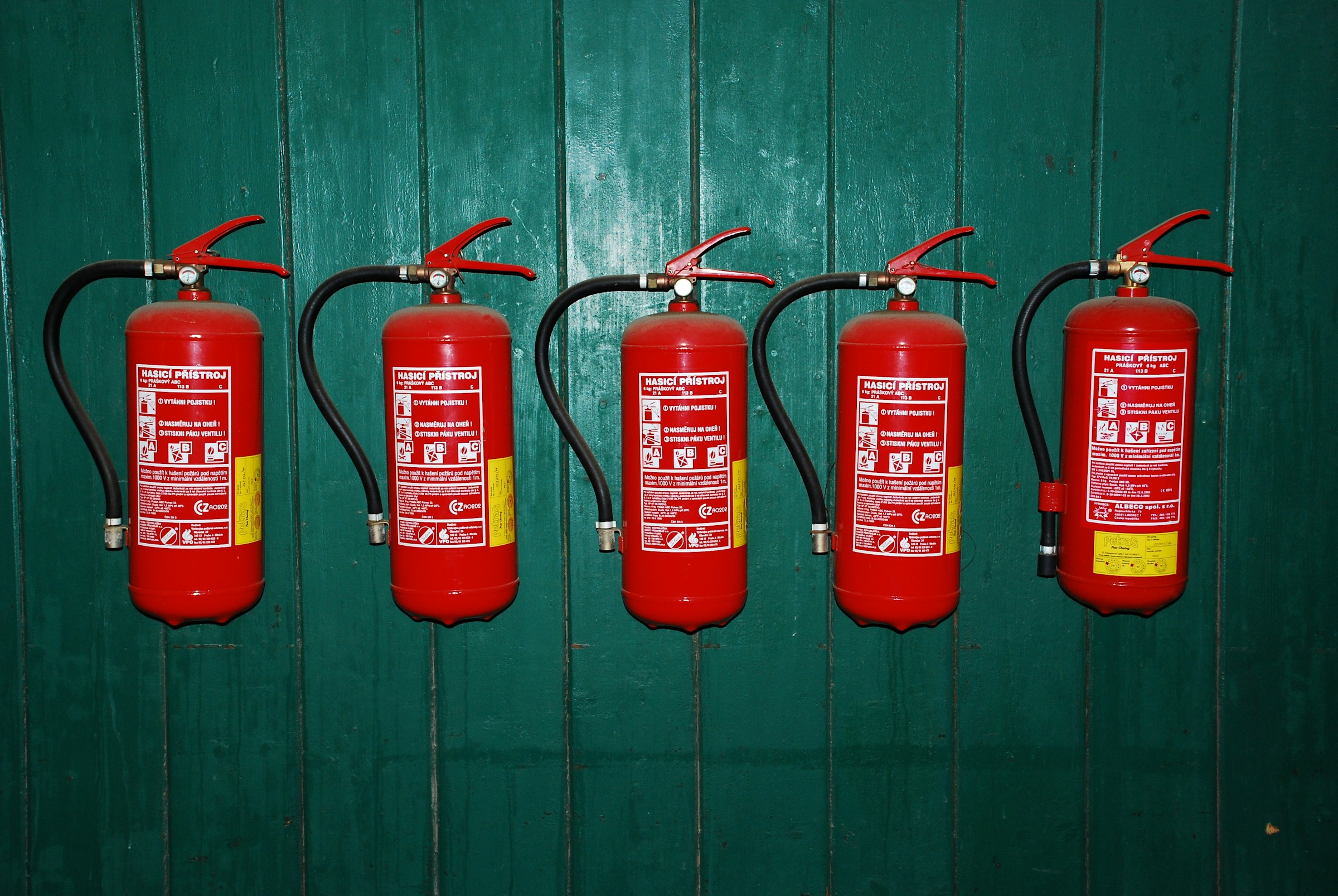
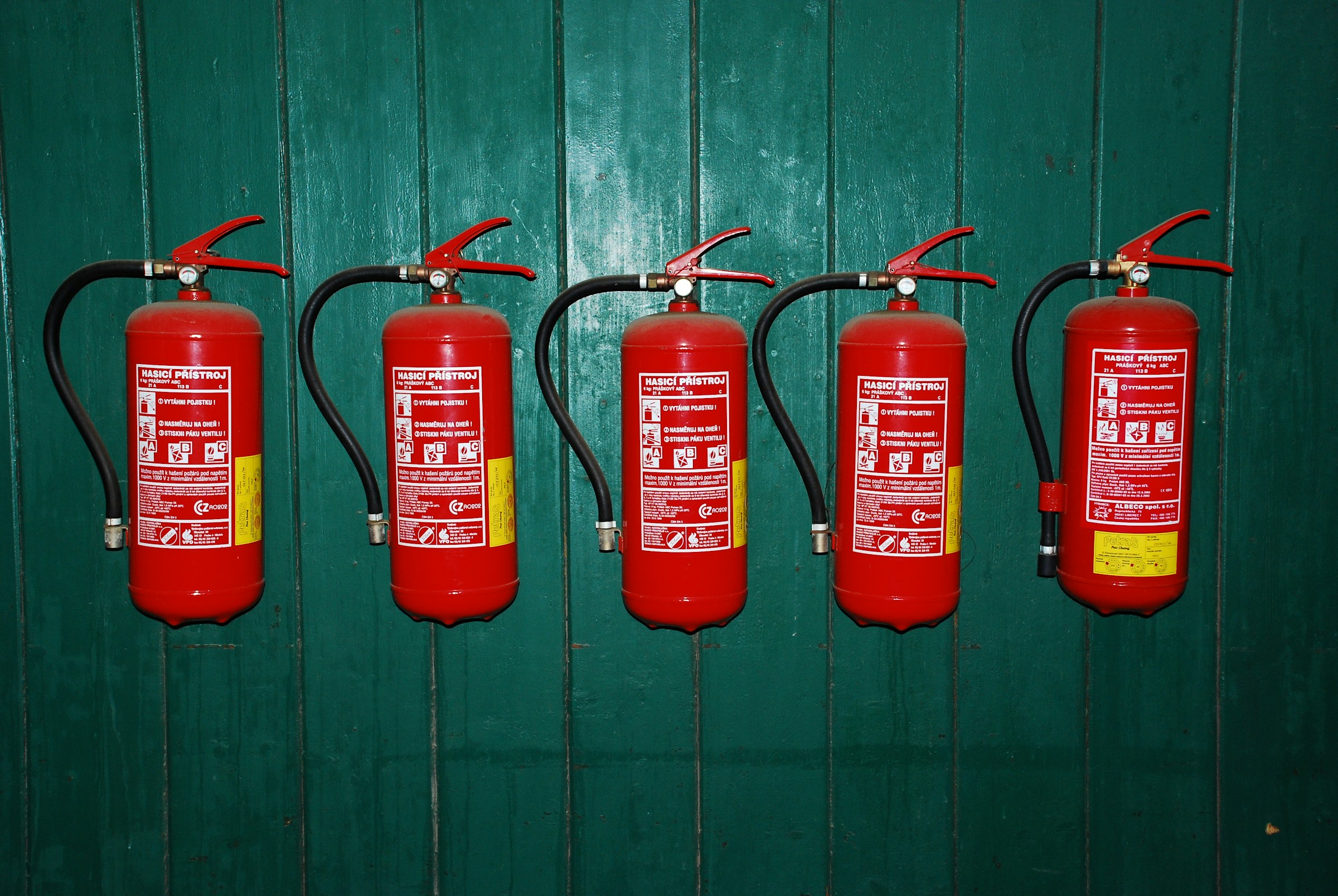
3. Extinguishers and Cabinets
This is one of the easiest categories to photograph well and one of the easiest to leave too vague.
Check:
- Extinguisher present where expected within scope
- Unit mounted and accessible
- Gauge appears acceptable if visible
- Tag present if visible
- Cabinet door, bracket, or mounting hardware intact
- No furniture, stock, or equipment blocking access
If an extinguisher is missing from a location where one appears expected, document the observed absence and recommend review based on occupancy needs rather than guessing the exact code section.
4. Electrical, Mechanical, and Service-Room Hazards
After egress, this is usually the highest-signal section of the report.
Check:
- Open junction boxes
- Missing electrical cover plates or panel blanks
- Evidence of overheating, scorching, or melted insulation
- Improper extension-cord use or daisy-chained strips
- Storage blocking electrical panels or shutoffs
- Combustible materials near mechanical equipment
Key Takeaway
Take two photos for electrical hazards: one showing the room or panel context and one showing the defect itself. That pairing makes the report much more defensible.
5. Storage, Housekeeping, and Cooking-Area Risks
Many real fire risks are ordinary site-management failures, not complex system failures.
Verify:
- Combustible storage in mechanical or electrical rooms
- Debris or stock piled near heat-producing equipment
- Restricted access to shutoffs or service points
- Grease buildup or unsafe storage near cooking equipment where applicable
- Temporary appliances or cords used unsafely
These issues often sound minor until they are described with location and consequence. Be specific.
What to Double-Check Before You Finalize
Before closing the report, confirm that you have:
- A location for every serious fire-safety note
- A supporting photo for every egress, alarm, extinguisher, or electrical issue
- A clear recommendation attached to every material deficiency
- A limitations statement covering items not fully tested
That last pass catches a lot of report weakness before the report goes out.
A Reporting Pattern That Stays Clear
Use this pattern:
"Location: ____ . Condition observed: ____ . Why it matters: ____ . Recommend: ____ ."
Example: detector issue
"Location: Second-floor corridor smoke detector. Condition observed: Detector appeared painted over at time of inspection. Why it matters: Altered detection devices may not perform as intended. Recommend evaluation and correction by a qualified fire alarm service provider or other qualified contractor as appropriate."
Example: panel-access issue
"Location: Main electrical room. Condition observed: Stored materials blocked working access in front of the service panel. Why it matters: Restricted access can interfere with safe operation and emergency response. Recommend removal of stored materials and maintenance of proper access."
Scope Language You Should Not Skip
Use direct language such as:
"Fire/life-safety devices were visually observed where accessible. Full operational testing, certification review, and code compliance verification were outside the scope of this inspection unless otherwise noted."
That sentence prevents a lot of confusion later.
Where ReportWalk Helps
Fire-safety inspections move fast, and the notes are only useful if they stay tied to the right location and photo. ReportWalk helps field pros dictate the hazard, consequence, and recommendation while they are still standing in front of the blocked exit or open junction box, then attach the supporting photo before moving on.
That usually matters more than any formatting polish you add later.
For adjacent workflows, see Fire Safety Inspection Checklist and Fire Safety Inspection Checklist: What Building Inspectors Need to Document on Site.