Pool Inspection Checklist for Inspectors: What to Check, Photograph, and Report On Site
Pool inspections get messy when the field route changes from property to property.
One stop you spend too long on the deck. The next stop you jump straight to the equipment pad, then realize later you never documented the barrier gate or waterline tile. That is how gaps get into the report.
This checklist is built for inspectors who want the on-site sequence to stay tight: what to check first, what photos matter most, and what details should make it into the report before you leave the property.
Note
Describe visible conditions, observed operation, and clear next actions. Avoid promising concealed-condition performance or complete code compliance when parts of the system are inaccessible.
The On-Site Rule
For every pool component, capture three things:
- What you observed
- What photo supports it
- What action the client should take next
If one of those is missing, the finding is weaker than it needs to be.
A Fast Pool Route That Keeps You Organized
Run the pool in this order:
- Barrier and gate access
- Deck, coping, and drainage
- Shell, finish, tile, and waterline
- Skimmers, returns, drains, and accessories
- Equipment pad and visible plumbing
- Electrical safety items and limitations
This order keeps the safety items up front and the mechanical observations in the middle, where you are less likely to rush them.
1. Barrier and Gate Check
Start outside the water. Barrier defects are some of the highest-risk conditions on most pool inspections.
Check:
- Fence or enclosure continuity where applicable
- Gate alignment
- Self-close and self-latch operation where present
- Missing, bent, or bypassed latch hardware
- Obvious excessive gaps below gates or barrier sections
- Direct access points that deserve documentation
Photo set:
- One wide overview of the barrier layout
- One context shot for each defective gate
- One close-up of latch, hinge, or gap condition
Report example
"Pool enclosure gate at west access did not self-latch when released during inspection. Deficient barrier hardware is a safety concern. Recommend repair or adjustment by a qualified contractor."
2. Deck, Coping, and Drainage
This is where trip hazards and movement patterns show up first.
Check:
- Cracks with vertical displacement
- Settlement near coping edges
- Failed or missing sealant
- Loose or damaged coping materials
- Areas where drainage appears to hold water
- Surface deterioration that affects safe footing
A hairline shrinkage crack is not the same as movement at a deck joint. If the condition suggests displacement or recurring water issues, say that.
Photo set:
- Wide shot of the affected area
- Close-up of the crack, gap, or edge
- Angle that shows the change in elevation if present
3. Shell, Finish, Tile, and Waterline
If the water is clear enough, collect the interior condition record while you have the view.
Check:
- Surface wear, patches, or visible cracking
- Staining or scale at the waterline
- Damaged or missing tile
- Water level relative to skimmer opening
- Water clarity limitations
If visibility is poor, note it directly rather than implying the submerged components were fully observed.
Limitation example
"Water clarity limited observation of submerged pool interior components at time of inspection. Conditions below the visible water column could not be fully evaluated."
4. Skimmers, Returns, Drains, and Accessories
These are easy to skip because each item looks small on its own. They matter once the system starts being used.
Check:
- Skimmer lids present and intact
- Skimmer body damage where visible
- Return fittings secure
- Visible drain or suction outlet covers present
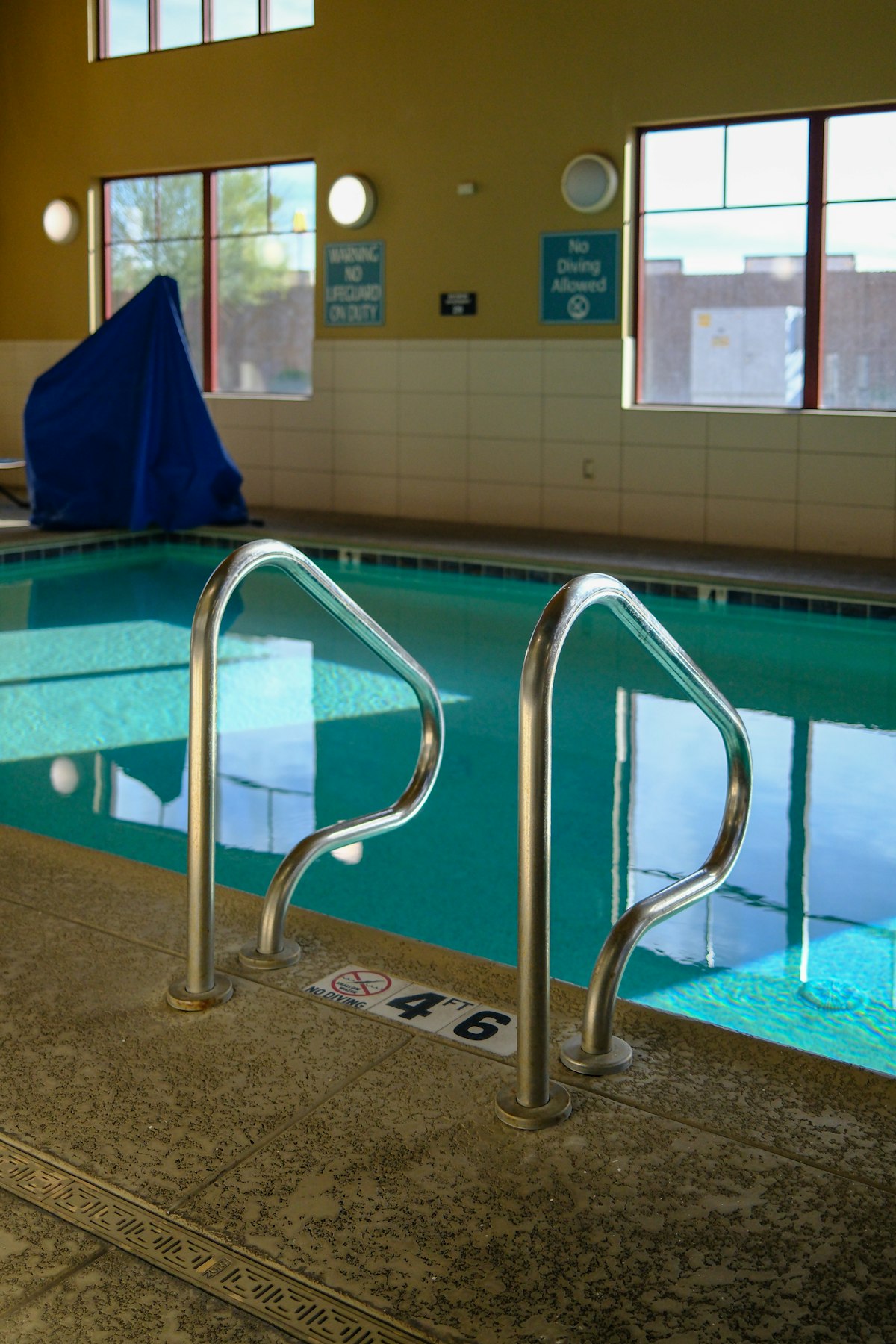
- Ladder and handrail anchorage
- Corrosion or looseness at accessories
Photo set:
- Missing or broken lids
- Loose ladder anchors
- Any visible damaged fitting or cover
Stay within scope. If a visible drain-cover condition looks questionable, recommend specialist review instead of guessing at hidden safety compliance.
5. Equipment Pad and Visible Plumbing
This is usually the highest-value stop in the inspection because system issues show themselves fast here.
Check:
- Pump operation and unusual noise
- Pump lid and basket condition
- Filter tank condition and pressure gauge presence
- Active leaks or staining at fittings
- Heater cabinet condition where present
- Timer, controls, and accessible shutoffs
- Corrosion at metal components or unions
Key Takeaway
Take one full equipment-pad overview before any close-ups. That single photo makes every later defect image easier to place in context.
Report example
"Active leakage was observed at a visible plumbing connection at the equipment pad during operation. Continued leakage may affect system performance and contribute to equipment-area deterioration. Recommend repair by a qualified pool service contractor."
6. Electrical Safety and Scope Limits
Pool electrical notes should be precise and limited to what you actually observed.
Check within your SOP:
- Accessible GFCI protection at related receptacles or devices
- Test/reset result if tested
- Missing cover plates
- Damaged enclosures
- Visible corrosion, moisture exposure, or exposed wiring
- Visible bonding clues where accessible
You are documenting accessible conditions, not certifying the entire concealed bonding or electrical system.
The Minimum Photo Package
If you want the report to stay strong after you leave, do not skip these:
- Two overall pool views
- One barrier overview
- One equipment-pad overview
- One context photo and one close-up for each defect
- One limitation photo if access, water clarity, or obstructions affected the inspection
What to Put First in the Report
Prioritize the findings in this order:
- Barrier and gate safety defects
- Electrical safety concerns
- Active leaks or equipment faults
- Trip hazards at deck or coping
- Shell and finish conditions with repair implications
- Cosmetic notes last
Clients do not need every note weighted equally. They need the report to tell them what matters first.
How Inspectors Keep These Reports Moving
Pool findings are usually short, location-specific, and photo dependent. ReportWalk helps inspectors dictate those notes while standing at the gate, skimmer, or pump pad, then attach the supporting photos before the details blur together later in the day.
That is the real speed advantage. Not typing faster. Capturing the right observation on site the first time.
For related pool workflows, see Pool Inspection Checklist: What Inspectors Should Check Before They Sign Off and Pool Inspection Checklist: What Inspectors Should Check, Photograph, and Report.