Pool Inspection Checklist: What Inspectors Should Check Before They Sign Off
Pool inspections get sloppy when the inspector treats them like a quick add-on at the end of a property walkthrough.
That is usually when the expensive misses happen. A loose barrier gate, active leak at the equipment pad, missing safety cover at a drain, or deck settlement at the coping line can all turn into callbacks once everyone assumes the job was "done."
Before sign-off, the goal is simple: document the conditions that affect safety, function, water retention, and repair cost. You do not need to perform every specialty evaluation under the sun. You do need a repeatable field route, a clear photo set, and narratives that tell the client what was observed and what should happen next.
Note
Phrase findings as observed conditions and recommended correction. Avoid language that guarantees future watertightness, code compliance in every jurisdiction, or concealed-condition performance.
What "Before Sign-Off" Really Means on a Pool Inspection
This stage is less about general pool education and more about closing risk.
You are asking:
- Is the shell or finish showing visible conditions that should be addressed before turnover?
- Is the equipment operating normally enough to document current function?
- Are the safety barriers and electrical protections showing obvious deficiencies?
- Is the surrounding deck, drainage, and coping area ready to be accepted as-is?
If the answer is no on any of those, the report needs to say so clearly and specifically.
A Fast Pool Inspection Route That Works
Use the same order every time:
- Barrier and gate access
- Deck, coping, drainage, and visible shell condition
- Skimmers, drains, returns, and visible accessories
- Equipment pad: pump, filter, heater, visible plumbing, controls
- Electrical/GFCI and visible bonding clues
- Final photo sweep and limitations
That route keeps the high-signal items from getting buried under cosmetic comments.
Barrier, Gate, and Access Checks
Before sign-off, barrier defects are some of the most important items to document because they create immediate life-safety exposure.
Check:
- Fence/barrier appears continuous around the pool area where required
- Gates self-close and self-latch where applicable
- Latch hardware is intact and not obviously defeated
- Gaps at the bottom or between pickets are not visibly excessive
- Direct access points from the house are documented if present
Photo set:
- One wide shot of the overall barrier layout
- One close photo for each defective gate, latch, or gap condition
If a gate drags, sticks open, or does not latch on its own, write it up directly. Do not soften it into "recommend monitoring."
Deck, Coping, and Surface Conditions
This is where trip hazards, water-management issues, and shell-adjacent distress usually show up first.
Document:
- Cracked, heaved, or settled deck sections
- Separation at coping or expansion joints
- Failed or missing sealant at deck-to-coping transitions
- Deck slope concerns that appear to direct runoff toward the pool or structures
- Loose or damaged coping materials
- Surface deterioration at plaster, pebble, fiberglass, or liner areas where visible
Not every hairline finish crack is a major defect, but location and pattern matter. If you see movement, separation, or signs of leakage, make that distinction clear in the report.
Pool Shell, Interior Finish, and Waterline Checks
If the pool is filled and visible, collect a basic condition record before sign-off.
Check:
- Waterline tile condition
- Visible staining, scale, or finish deterioration
- Cracks, patched areas, or discoloration clusters
- Water level relative to skimmer opening
- Cloudy water or limited visibility that affects inspection scope
If visibility is poor, say so plainly. A limitation note is better than pretending the interior was fully assessed.
Example language
"Pool interior visibility was limited by water clarity at time of inspection. Interior finish and submerged components could not be fully evaluated. Recommend further review once visibility permits if concerns remain."
Skimmers, Returns, and Drains
These components are easy to gloss over and often matter later.
Document:
- Skimmer lids present and intact
- Skimmer throat or body cracks where visible
- Return fittings present and secure
- Main drain or suction outlet covers appear present and intact if visible
- Missing covers, broken fittings, or loose accessories
For any drain-cover concern, recommend qualified pool specialist review. This is not the place to speculate.
Equipment Pad Checklist
This is the highest-value stop on most pool inspections because function problems usually show up here fast.
Check and photograph:
- Pump running condition
- Basket/lid condition and visible leaks
- Filter tank condition and pressure gauge presence
- Visible plumbing leaks, staining, or makeshift repairs
- Heater present and general visible condition
- Control panel/timer present
- Corrosion at metal components or unions
If the pump is noisy, losing prime, or leaking at fittings, say exactly what you observed. "Equipment issue" is too vague to be useful later.
Key Takeaway
Take one overview photo of the full equipment pad before you start close-ups. It makes every later defect image more useful.
Electrical and Safety Device Checks
Pool electrical is not where you want fuzzy notes.
Within the limits of your SOP, document:
- GFCI protection present at accessible related receptacles/devices
- Test/reset result if tested
- Missing cover plates or damaged enclosures
- Obvious corrosion or moisture exposure at equipment electrical connections
- Visible bonding conductors/clamps where accessible and observable
You are not certifying the entire bonding system from a visual inspection. You are documenting what is accessible and calling for licensed evaluation when safety concerns are present.
Example language
"Accessible GFCI protection serving pool-related equipment/receptacles should be corrected where deficient. Recommend evaluation and repair by a licensed electrician familiar with pool installations."
The Minimum Photo Set Before Sign-Off
If you want fewer follow-up calls, leave with a repeatable set:
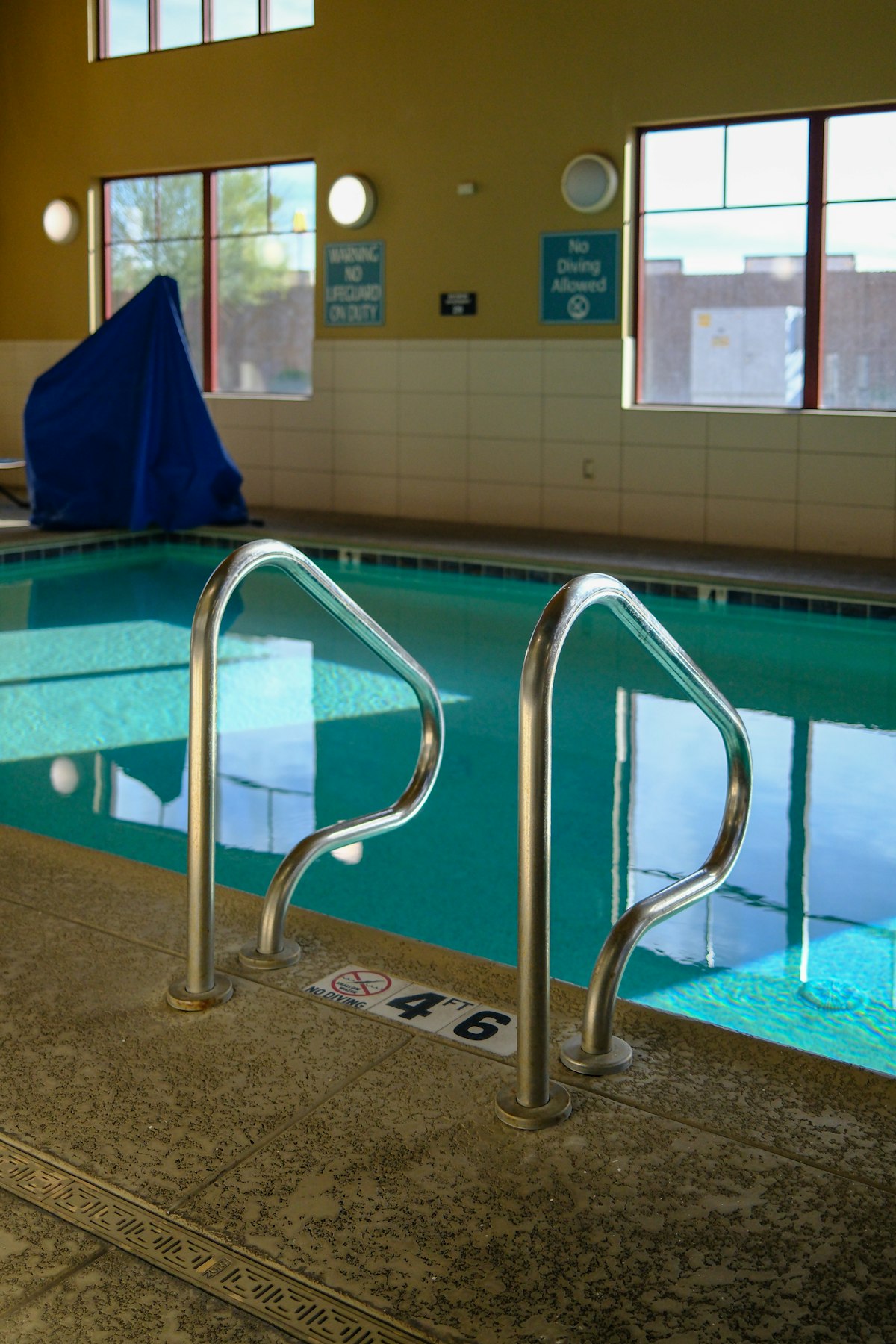
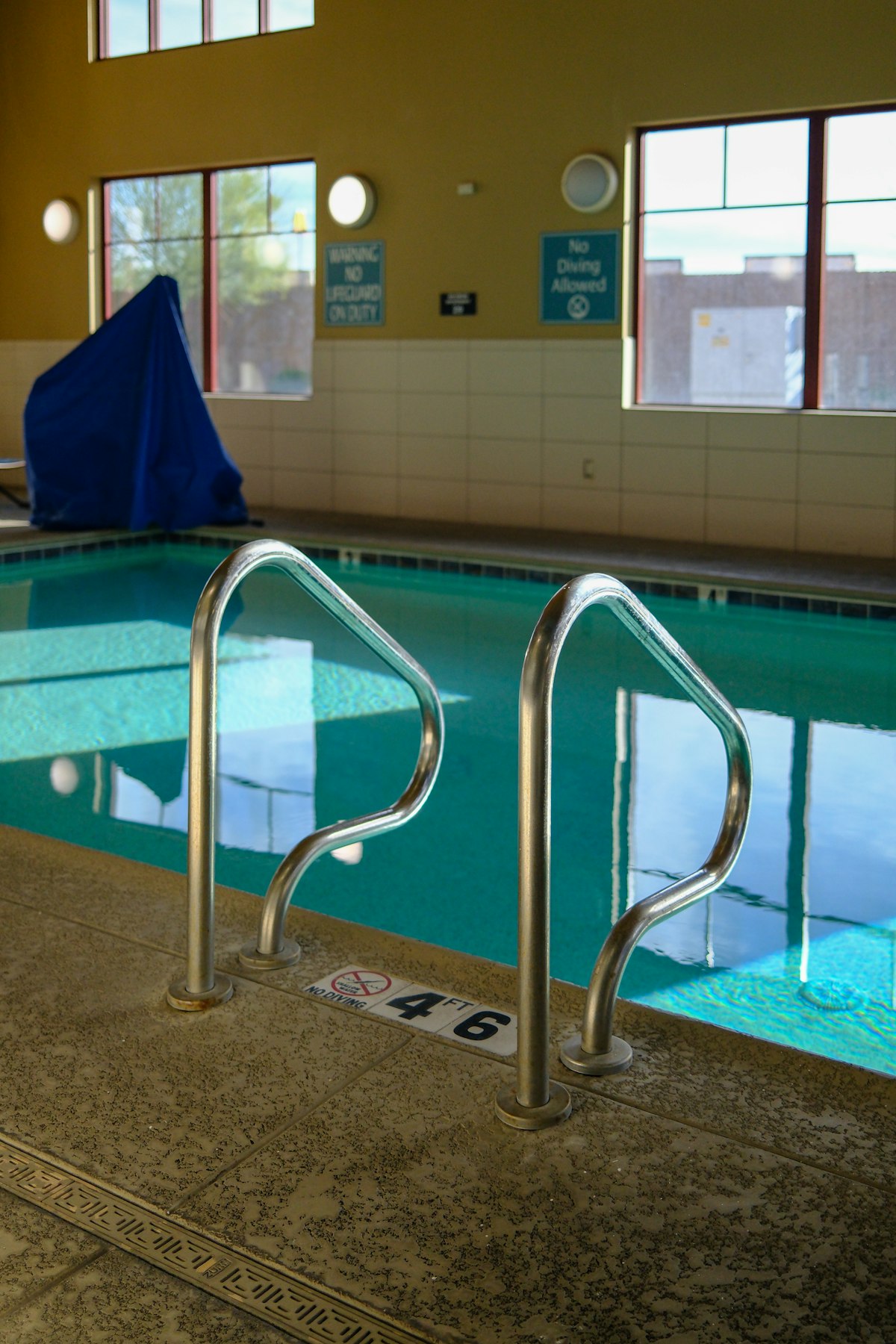
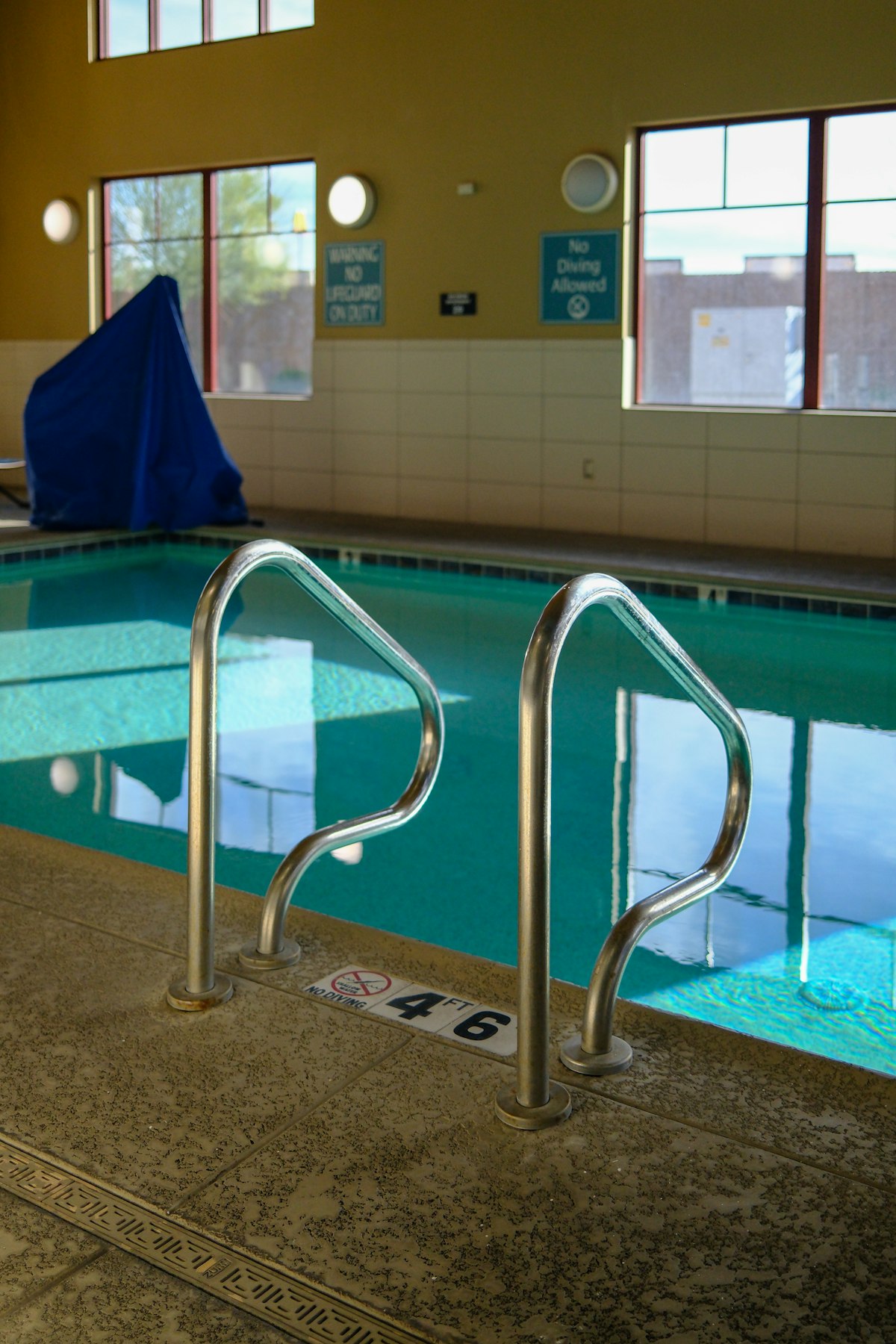
- Pool overview from at least two angles
- Barrier/gate overview
- Defect context + close-up for each reported issue
- Equipment pad overview
- Pump/filter/heater close-ups as needed
- Any cracked deck, coping separation, or leak evidence
That package is usually enough to support the findings without slowing the inspection to a crawl.
What to Prioritize in the Report
Before sign-off, prioritize:
- Safety barrier defects
- Electrical safety concerns
- Active leaks
- Equipment not operating normally
- Deck/coping trip or separation hazards
- Visible shell/finish concerns that may require repair before acceptance
Cosmetic notes can still be included, but they should not bury the items that affect safety or negotiation leverage.
Narrative Pattern That Holds Up
Use a simple structure:
"Location: ____ . Condition observed: ____ . Why it matters: ____ . Recommend: ____ ."
Example: gate defect
"Location: Pool enclosure gate at rear access. Condition observed: Gate did not self-latch when released from a partially open position at time of inspection. Why it matters: Deficient barrier hardware can reduce pool safety. Recommend repair/adjustment before sign-off."
Example: equipment leak
"Location: Equipment pad, pump discharge-side fitting. Condition observed: Active leakage observed at fitting connection during system operation. Why it matters: Ongoing leakage can affect system performance and contribute to equipment-area deterioration. Recommend repair by qualified pool service contractor before sign-off."
Where ReportWalk Fits
Pool inspections generate a lot of short, location-specific findings. ReportWalk helps you dictate those observations while you are still standing at the barrier gate, pump pad, or coping edge, then pair them with the right photos before the details blur together back at the truck.
That matters most before sign-off, when the report needs to support a decision now rather than after the first repair bill arrives.