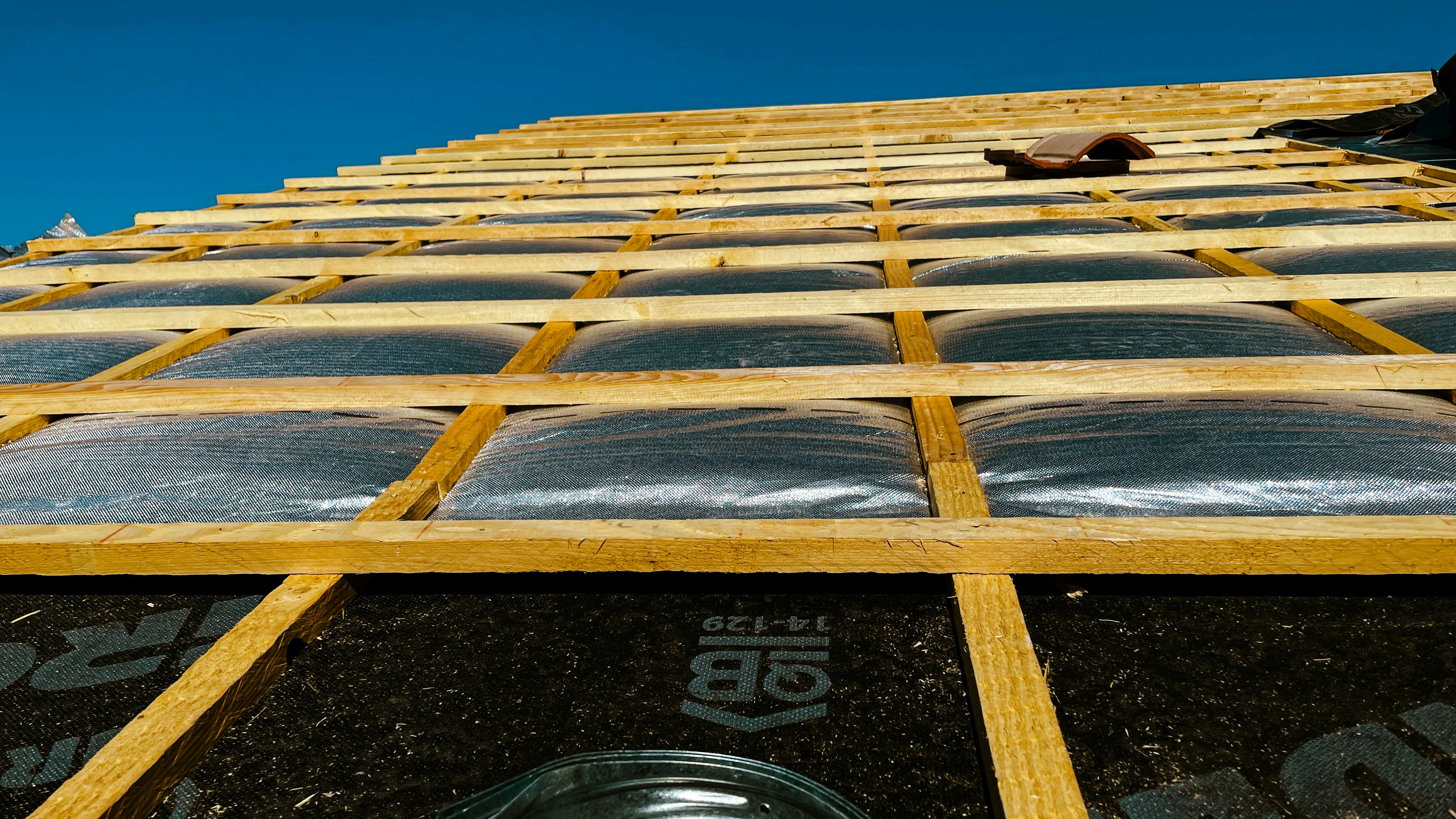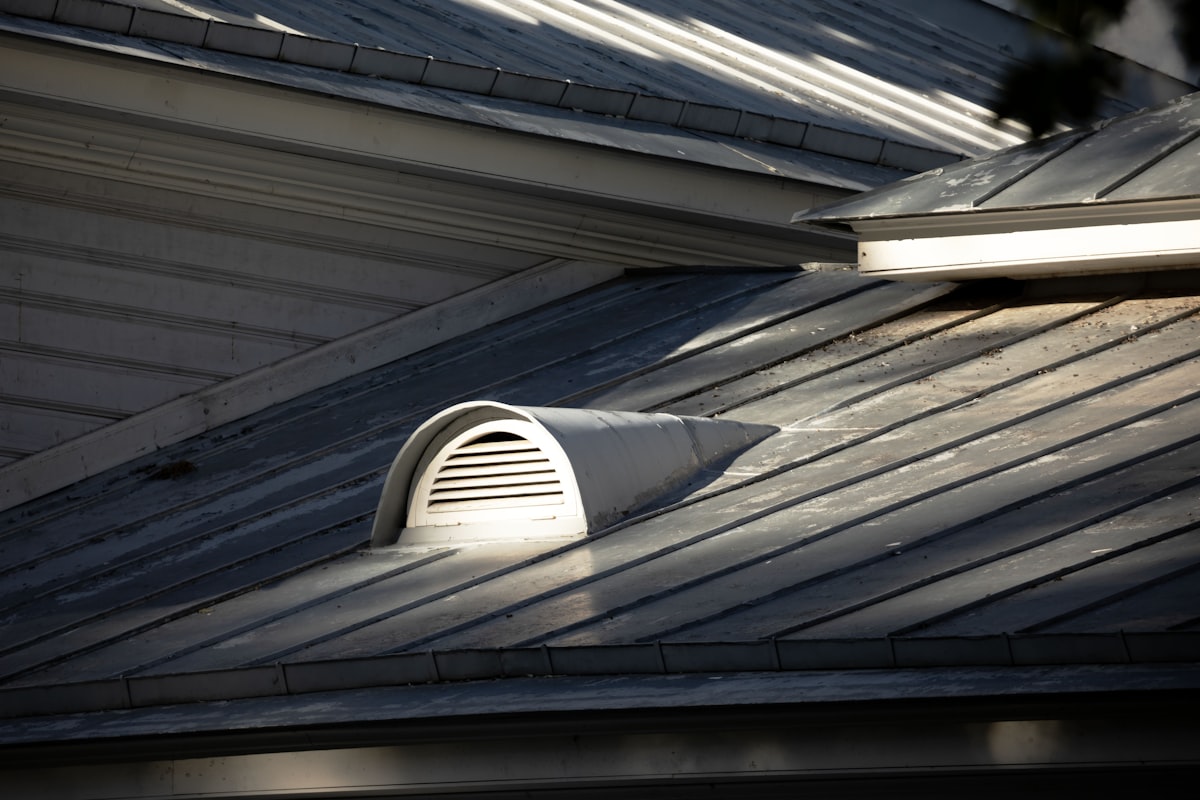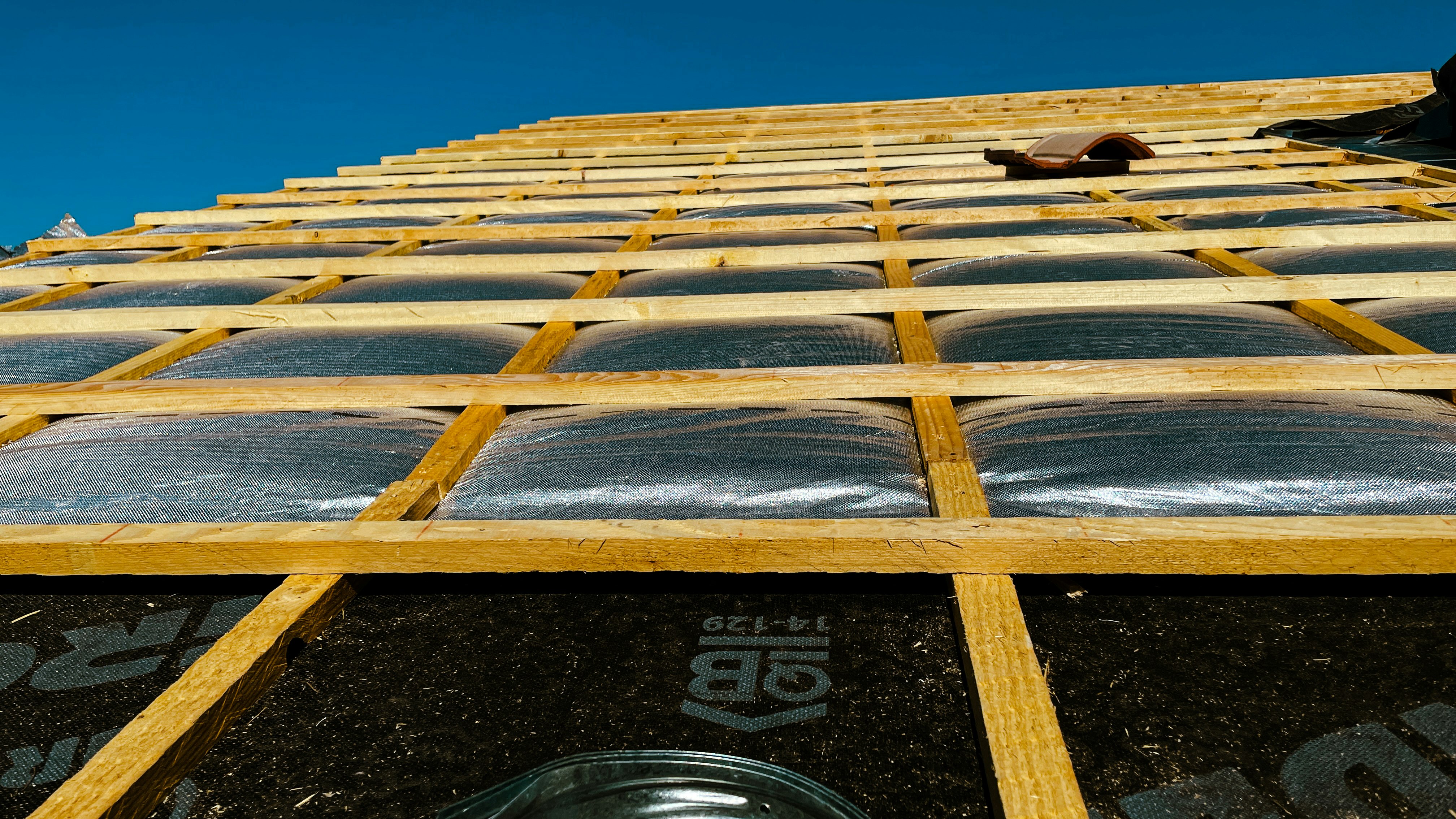
Roof Ventilation Inspection: How to Spot Heat, Moisture, and Premature Roof Failure in the Field
Poor roof ventilation usually announces itself long before a client understands what they are looking at.
You see hot attic conditions, rusted nail tips, darkened sheathing, blocked soffits, brittle shingles, ice-dam history, or mold-like staining near the roof deck. The hard part is not spotting one clue. The hard part is linking the roof symptoms to the ventilation path and explaining the risk without turning the report into a lecture.
This guide is built for field inspectors who want a faster way to inspect roof ventilation and write it up clearly.
Note
Roof ventilation is a system, not a single vent. A ridge vent alone does not solve ventilation if intake is blocked or the air path never forms.
Why Roof Ventilation Matters in Real Inspections
Weak ventilation tends to show up in three ways:
- Excess heat buildup
- Excess moisture buildup
- Shortened roof-material life
That means the roof ventilation note is rarely just about airflow. It often connects to shingle aging, attic condensation, insulation performance, and interior moisture complaints.
The Fast Roof Ventilation Sequence
Run the system in this order:
- Exterior roof overview
- Intake points at soffits or low roof edges
- Exhaust points at ridge, roof, or gable vents
- Attic-side clues at sheathing, insulation, and penetrations
- Moisture-source checks such as bath fans or duct discharge
This sequence keeps you from jumping straight to a ridge vent comment without checking whether intake air can even enter the attic.
1. Start Outside: Read the Roof for Ventilation Clues
Before entering the attic, look for visible symptoms that often travel with ventilation issues.
Check:
- Uneven shingle aging
- Curling, brittleness, or premature wear
- Excessive roof temperature impression on hot days
- Lack of visible intake or exhaust components
- Mixed vent types that may short-circuit airflow
- Evidence of prior moisture-related roof repairs
Ventilation is not always the only cause, but the exterior roof can tell you where to look next.
2. Intake: The Most Common Failure Point
Most ventilation problems start at the soffits.
Check:
- Whether intake vents are present
- Whether insulation is blocking the soffit path
- Whether baffles are installed where needed
- Whether paint, debris, or repairs have reduced airflow
- Whether low roof edges have an actual air path into the attic
Many houses technically "have vents" but do not function like ventilated assemblies because the intake path is choked off.
High-signal finding
Blocked soffit intake combined with attic moisture staining is one of the cleanest ventilation narratives you can write.
3. Exhaust: Ridge, Roof, and Gable Vents
After intake, look at how the attic is supposed to exhaust air.
Check:
- Ridge vent continuity and condition
- Roof vent presence and spacing
- Gable vent configuration
- Powered ventilators if present
- Signs that multiple exhaust strategies may be competing rather than helping
The question is not "does it have a vent?" The question is whether intake and exhaust appear balanced enough to move air through the assembly.
4. Attic-Side Clues That Point to Ventilation Trouble
The attic often gives you the strongest evidence.
Look for:
- Rusted nail tips
- Darkened or moisture-stained roof sheathing
- Condensation-like patterns at fasteners
- Insulation packed tightly at eaves
- Hot attic conditions disproportionate to the weather
- Corrosion on fasteners, plates, or metal components
- Damp insulation or compressed insulation
Those clues matter because they show the consequence of weak ventilation, not just the possible cause.
Important
If you see dark staining, describe the visible condition and moisture indicators. Avoid diagnosing "mold" unless your scope and qualifications support that conclusion.
5. Do Not Miss the Moisture Sources That Mimic Ventilation Failure
Some attic problems look like bad ventilation but are being driven by direct moisture dumping.
Check for:
- Bathroom exhaust terminating in the attic
- Dryer exhaust misrouted into the attic
- HVAC duct condensation
- Air leakage from attic hatches, recessed lights, or top-plate penetrations
- Roof leaks at penetrations, valleys, skylights, or flashings
Sometimes ventilation is weak and a moisture source is also present. Do not force a single-cause explanation when more than one factor fits the evidence.
The Photo Set That Makes the Finding Obvious
For roof ventilation issues, take:
- Exterior roof overview
- Soffit/intake detail where visible
- Ridge, roof, or gable vent photos
- Wide attic photo showing the roof deck
- Close-ups of staining, rusted nails, or blocked eaves
- Photos of fan or duct terminations if improper
One of the best roof ventilation reports is simply a good sequence of photos with tight captions and measured language.
Practical Report Language Templates
Blocked intake example
"Insulation was observed blocking soffit intake at multiple eave areas. Restricted intake can reduce airflow through the attic and contribute to heat and moisture buildup. Recommend correction by a qualified contractor."
Attic moisture + ventilation example
"Moisture-related staining and rusted fastener tips were observed at the attic-side roof sheathing. Conditions were consistent with elevated attic moisture and/or ventilation deficiencies. Recommend evaluation and corrective action by a qualified contractor."
Improper bath fan discharge example
"The bathroom exhaust duct was observed terminating into the attic rather than at an exterior discharge point. This condition can contribute to attic moisture accumulation and related material deterioration. Recommend correction by a qualified contractor."
Limited ventilation visibility example
"The full roof ventilation configuration could not be confirmed due to limited visibility/access at portions of the attic. Observable conditions suggesting restricted airflow were noted at the eaves."
That language keeps the finding specific without pretending you performed airflow calculations.
Common Roof Ventilation Inspection Mistakes
- Mentioning the ridge vent without checking the soffits
- Calling the issue "poor ventilation" with no visible supporting clues
- Missing bathroom exhaust discharge into the attic
- Confusing a localized roof leak with broad condensation patterns
- Writing about mold instead of the actual observable condition
Most weak ventilation write-ups fail because they skip either the cause or the consequence. You want both.
A Simple Field Decision Rule
If you can document:
- restricted intake or questionable exhaust,
- visible attic heat/moisture symptoms, and
- a plausible path for air or moisture failure,
then you usually have enough to write a strong roof ventilation finding.
Where ReportWalk Fits
Roof ventilation findings are system findings. They connect roof details, attic clues, and moisture evidence across multiple locations. ReportWalk helps inspectors narrate that chain while still on site, so the final report explains what was observed, why it matters, and what should happen next.
For adjacent guidance, see Attic Moisture Inspection: Condensation Clues, Ventilation Problems, and Defensible Write-Ups, Roof Leak Inspection: How Inspectors Can Trace, Document, and Report Moisture Entry Fast, and Roofing Inspection Checklist: What to Check Before You Call the Roof Good.