What Fails a Home Inspection? 20 Common Deal-Breakers Inspectors Find
If you're wondering what fails a home inspection, here's the truth from someone who holds the clipboard: technically, nothing "fails." A home inspection isn't a pass/fail test. But in practice? There are findings that stop transactions cold. Buyers walk. Lenders refuse to fund. Insurance companies decline coverage.
After thousands of inspections, I can tell you the same 20 issues come up over and over. These are the findings that generate the phone calls, the renegotiations, and the deals that fall apart. As inspectors, we document what we see — it's up to the buyer and their agent to decide what's a deal-breaker. But these 20 items? They almost always are.
Note
A home inspection is a visual, non-invasive assessment of a property's condition. We don't "pass" or "fail" homes — we report observable deficiencies. That said, these 20 findings are the ones that most frequently derail transactions.
1. Roof Issues: Missing Shingles, Damaged Flashing, and End-of-Life Materials
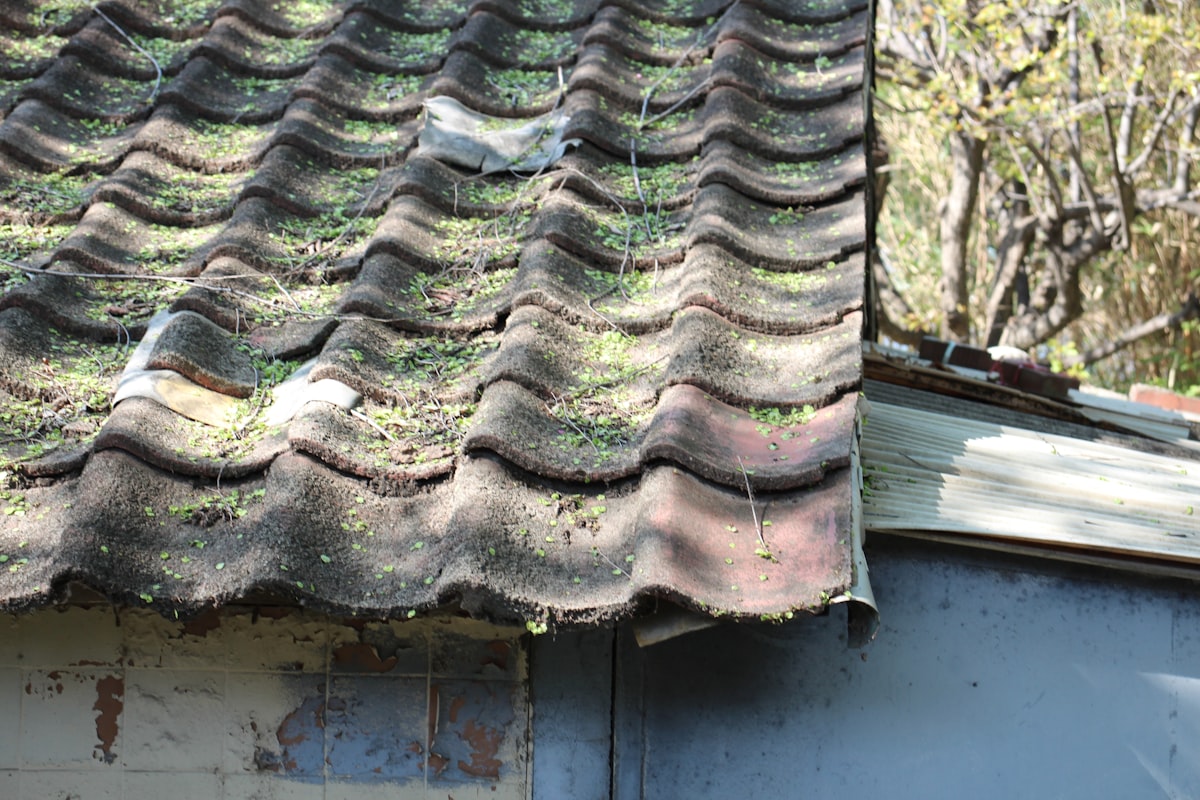
What we see: Missing or curling shingles, cracked or deteriorated flashing around penetrations, granule loss in gutters, daylight visible from the attic, multiple layers of roofing material, and roofs that are simply past their service life.
Why it matters: A compromised roof means water intrusion — and water intrusion means damage to everything below it. Roof replacement runs $8,000–$25,000+ depending on size and material. Lenders and insurers pay close attention to roof condition.
How we document it: We photograph every deficiency from multiple angles, note the approximate age and material type, document the number of layers, and recommend a qualified roofing contractor for further evaluation when significant issues are present. See our Roofing Inspection Checklist for the full protocol.
2. Foundation Cracks and Structural Movement
What we see: Stepped cracks in block or brick, horizontal cracks (the most concerning), vertical displacement, bowing basement walls, and settlement that's caused doors and windows to rack in their frames.
Why it matters: Foundation issues are among the most expensive repairs — $5,000–$50,000+ depending on severity. Horizontal cracks and bowing walls indicate lateral pressure that will only get worse. Buyers rightly view these as major structural concerns.
How we document it: We measure crack widths, photograph location and pattern, note whether cracks are active (fresh edges, no paint bridging) or historical, and recommend a structural engineer for anything beyond hairline settlement cracks. Read more in our Foundation Inspection guide.
3. Electrical Panel Problems
What we see: Double-tapped breakers (two wires on one breaker), Federal Pacific Stab-Lok panels, Zinsco panels, evidence of amateur wiring, undersized service for the home's needs, scorching or burn marks, and missing panel covers.
Why it matters: Federal Pacific and Zinsco panels have documented failure rates for breaker tripping — they may not protect the home from overcurrent conditions. Double-tapped breakers create loose connections and fire risk. Insurance companies increasingly refuse coverage for homes with these panels.
How we document it: We photograph the panel interior (with the cover removed where accessible), identify the manufacturer and model, note every double-tap and deficiency, and recommend a licensed electrician. Panel replacement runs $1,500–$4,000. Related: Electrical Inspection Checklist.
4. HVAC Systems at End of Life
What we see: Furnaces and air conditioners that are 20+ years old, cracked heat exchangers (a safety hazard), units that cycle erratically, unusual odors during operation, and systems that can't maintain a reasonable temperature differential.
Why it matters: HVAC replacement is $5,000–$15,000. A cracked heat exchanger can leak carbon monoxide. Lenders and buyers both flag aging HVAC systems because they represent an immediate major expense.
How we document it: We record the unit's age from the data plate, note operating conditions, measure temperature differential at supply and return, and photograph any visible deficiencies. We always recommend further evaluation when we suspect a heat exchanger issue. See our HVAC Inspection Checklist.
5. Water Heater Issues
What we see: Units past their expected lifespan (8–12 years for tank-style), corrosion at fittings, improper venting (backdrafting is a carbon monoxide risk), missing temperature/pressure relief valve discharge pipes, and sediment buildup that reduces efficiency.
Why it matters: A failing water heater is a $1,500–$3,000 repair. Improper venting is a safety hazard. A missing or improperly routed TPR valve discharge pipe can cause scalding injuries.
How we document it: Age, condition, venting configuration, TPR valve and discharge pipe presence/routing, and any signs of leakage. We photograph everything. Our Water Heater Inspection guide covers the full process.
6. Plumbing Leaks and Polybutylene Piping
What we see: Active drips under sinks, water stains on ceilings below bathrooms, corroded supply lines, polybutylene (poly-b) supply piping, galvanized steel pipes with heavy corrosion, and cross-connections.
Why it matters: Polybutylene piping (gray plastic, typically installed 1978–1995) has a documented history of sudden failure at fittings. Many insurers won't cover homes with poly-b. Active leaks cause progressive damage. Re-piping a house runs $4,000–$15,000.
How we document it: We run every accessible fixture, check under every sink, photograph active leaks and stains, identify pipe materials throughout the home, and note the location and extent of any polybutylene. More details in our Plumbing Inspection Checklist.
7. Grading and Drainage Toward the Foundation
What we see: Soil that slopes toward the foundation instead of away, downspouts that discharge directly at the base of the house, lack of gutters, settled areas against the foundation, and window wells without covers or drains.
Why it matters: Water flowing toward the foundation causes basement flooding, mold, and over time, structural damage. This is the #1 cause of wet basements — and it's usually the cheapest to fix. Proper grading should slope 6 inches over the first 10 feet away from the house.
How we document it: We photograph grade conditions at each elevation, note downspout discharge locations, and document any evidence of water intrusion in the basement. Read our full guide: Grading & Drainage Inspection.
8. Mold and Moisture
What we see: Visible mold growth (most commonly in bathrooms, basements, and attics), musty odors, condensation on windows, staining patterns on walls and ceilings, and moisture meter readings above normal.
Why it matters: Mold is a health concern and a negotiation flashpoint. Remediation costs range from a few hundred dollars for a small bathroom issue to $10,000+ for extensive attic or basement contamination. The presence of mold almost always indicates a moisture source that needs addressing.
How we document it: We photograph visible growth, note locations and approximate areas, identify the likely moisture source, and recommend further evaluation by a qualified mold assessor when significant growth is present. We don't test — we report what's visible. See Mold Inspection.
9. Wood-Destroying Insects (Termites, Carpenter Ants)
What we see: Mud tubes on foundation walls (subterranean termites), damaged wood that sounds hollow when tapped, frass (termite or carpenter ant droppings), and sometimes live insects during spring swarm season.
Why it matters: Termite damage costs U.S. homeowners billions annually. Damage can be extensive before it's visible. VA and FHA loans typically require a clear wood-destroying insect inspection. Treatment and repair costs range from $500 to $15,000+.
How we document it: We probe accessible wood in high-risk areas, photograph evidence, and recommend a licensed pest control operator when we find signs of infestation. Our Termite Inspection guide covers identification techniques.
10. Inadequate Attic Ventilation and Insulation
What we see: Insufficient insulation depth, compressed or displaced batts, blocked soffit vents, no ridge or gable vents, moisture condensation on roof sheathing, and frost on nails in winter climates.
Why it matters: Poor attic ventilation causes ice dams in cold climates, premature shingle failure everywhere, and moisture accumulation that leads to mold and wood rot. It also drives up energy bills. Buyers increasingly care about energy efficiency.
How we document it: We measure insulation depth, identify the type, check vent configurations, and photograph deficiencies. See Attic Inspection and Insulation Inspection for complete protocols.
11. Missing GFCI Protection
What we see: Standard outlets in wet locations — kitchens, bathrooms, garages, exteriors, and within 6 feet of water sources — without Ground Fault Circuit Interrupter protection.
Why it matters: GFCI outlets prevent electrocution. Current code requires them in all wet locations. While older homes weren't built to current standards, the absence of GFCI protection in bathrooms and kitchens is a safety concern that comes up in virtually every inspection of homes built before the 1990s.
How we document it: We test every GFCI outlet we can access, note which wet locations lack protection, and recommend a licensed electrician upgrade outlets to GFCI where needed.
12. Missing or Non-Functional Smoke and CO Detectors
What we see: No smoke detectors, detectors past their 10-year lifespan, detectors that don't respond to testing, missing carbon monoxide detectors on floors with fuel-burning appliances or attached garages.
Why it matters: This is a life safety issue. Most states require functional smoke detectors for property transfer. CO detectors are required by code in most jurisdictions. It's a cheap fix ($20–$50 per unit), but the absence gets called out in every report. More in our Smoke & CO Detector Inspection guide.
How we document it: We test every detector, note locations, check manufacture dates, and list every area that needs coverage.
13. Structural Concerns: Sagging Beams, Modified Load Paths
What we see: Sagging ridge lines, bouncy floors, cut or notched floor joists (especially for plumbing or ductwork), undersized beams, temporary posts that became permanent, and walls that appear to lean.
Why it matters: Structural modifications without engineering oversight can compromise the home's load path. I've seen DIY basement renovations where the homeowner removed a bearing wall to open up the space — without adding a beam. Structural engineer evaluations and repairs range from $1,000 to $20,000+.
How we document it: We photograph every concern, note approximate spans and deflection, and recommend a licensed structural engineer for anything beyond minor cosmetic issues.
14. Roof Penetrations with Failed Seals
What we see: Cracked or dried-out boot seals around plumbing vents, deteriorated flashing at chimneys, failed sealant around skylights, and satellite dish mounts with exposed screw holes.
Why it matters: Every penetration through the roof is a potential entry point for water. Failed boot seals are the single most common source of slow attic leaks. The damage accumulates silently until stains appear on ceilings below.
How we document it: We photograph each penetration, note the condition of seals and flashing, and recommend repair by a qualified roofer. These are relatively inexpensive fixes ($150–$500 each) but frequently overlooked.
15. Water Stains (Ceiling, Walls, Around Windows)
What we see: Brown or yellow stains on ceilings, discoloration around window frames, bubbling or peeling paint, and stains that someone has clearly painted over (you learn to spot the texture difference).
Why it matters: Water stains are evidence of a moisture intrusion event. The question is whether the source has been repaired or is still active. Buyers (and their agents) immediately assume the worst. We can't determine whether a stain is from an active or resolved leak without further investigation.
How we document it: We photograph every stain, note its size and location, check moisture levels when possible, and recommend further investigation to determine the source and whether it's been resolved.
16. Sewer Line Issues
What we see: We don't see inside sewer lines during a standard inspection — but we note warning signs: slow drains throughout the house, sewage odors, settled soil over sewer line routes, and cleanout access issues. Many buyers now add a sewer scope inspection.
Why it matters: Sewer line replacement runs $5,000–$25,000. Older homes may have clay, Orangeburg (tar paper), or cast iron lines that are past their service life. Tree root intrusion is extremely common. This is one of the most expensive "hidden" issues in home buying.
How we document it: We note warning signs and strongly recommend a sewer scope inspection for homes over 25 years old or when symptoms are present.
17. Chimney Deterioration
What we see: Cracked or missing mortar between bricks (especially at the crown), deteriorated flue liner, missing rain caps, gaps between the chimney and the house structure, efflorescence (white mineral deposits), and evidence of past chimney fires.
Why it matters: A deteriorated chimney is a fire and carbon monoxide hazard. Crown and cap repairs run $500–$2,000. Rebuilding a chimney from the roofline up can cost $5,000–$10,000+. More in our Chimney Inspection guide.
How we document it: We photograph exterior conditions from the roof and ground, inspect the firebox and damper from inside, and recommend a Level 2 chimney inspection by a CSIA-certified sweep when significant deterioration is visible.
18. Windows with Failed Seals
What we see: Foggy or hazy double-pane windows (condensation between the panes), cracked glass, frames that won't lock, painted-shut windows, and missing or deteriorated weather stripping.
Why it matters: Failed seals mean the insulating gas between panes has escaped — the window is no longer performing as designed. Individual window replacement runs $300–$800. Full-house replacement can reach $10,000–$30,000. Beyond cost, failed windows are visible and make the home feel neglected. See Window & Door Inspection.
How we document it: We test every accessible window for operation and locking, photograph fogged panes, note which windows are affected, and document the approximate age and material type.
19. Asbestos and Lead Paint
What we see: Suspected asbestos-containing materials in insulation (vermiculite, pipe wrap), floor tiles (9"x9" tiles are a red flag), siding, and HVAC duct insulation. Lead paint is presumed present in homes built before 1978.
Why it matters: Both are health hazards that require licensed abatement professionals to remove. Asbestos abatement costs $2,000–$30,000 depending on material and location. Lead paint remediation adds $5,000–$15,000+ for whole-house treatment. Lenders may require remediation before closing. Related: Asbestos Inspection and Lead Paint Inspection.
How we document it: We identify suspected materials visually — we don't test. We note locations, photograph, and recommend testing by a qualified environmental professional when suspected ACM or lead paint is present.
20. Code Violations and Unpermitted Work
What we see: The telltale signs of DIY work done without permits — electrical wiring with non-standard connections, plumbing with improper materials or venting, structural changes without engineering, additions that don't match the home's construction quality, and bathrooms that appeared where none existed before.
Why it matters: Unpermitted work creates liability for the buyer. If the work doesn't meet code, it may need to be torn out and redone. Insurance companies may deny claims related to unpermitted modifications. Undisclosed additions can affect the property's assessed value and insurability.
How we document it: We note inconsistencies in construction quality, identify work that appears to deviate from standard practices, and recommend verification of permits with the local building department. We don't enforce code — but we report what we see.
Key Takeaway
As an inspector, your job is documentation, not negotiation. Report what you observe, explain why it matters, and let the buyer's agent handle the rest. Clear, photographic documentation protects everyone — including you.
How Inspectors Can Document These Findings Faster
Every one of these 20 items needs clear photos, accurate descriptions, and proper categorization in your report. That's a lot of typing — especially when you've got a buyer and agent breathing down your neck waiting for the report.
ReportWalk lets you narrate findings as you walk the property. See a cracked heat exchanger? Say what you see. The voice-to-report engine structures it into a professional finding with proper categorization. Less typing, faster turnaround, more time for the next inspection.
Available on iOS. Built for inspectors who document what they see — out loud.
These 20 issues don't mean a home is a bad buy. They mean a home is a home. Every property has something. Your job is to find it, document it clearly, and let your clients make informed decisions. That's what separates a good inspector from a clipboard holder.