Vacant Property Inspection Checklist: The Visit That Proves Someone Was There
A vacant property inspection is a regular visit to an empty home or building to check that it's still secure, dry and undamaged. Landlords between tenants, property managers, executors of an estate, lenders with a repossessed home and owners who've moved out before a sale all need them.
An empty property goes wrong quietly. A pipe freezes and runs for three weeks. A back window gets forced and nobody notices. Mail piles up behind the door and tells the whole street nobody's home. The visit is there to catch these early, and the record of the visit is there to prove you did.
Why the record matters as much as the visit
Many insurance policies restrict cover once a property has been empty for a set period, often 30 or 60 days, and some require regular inspections while it stays empty, sometimes weekly. If you have to make a claim, the insurer may ask for evidence that the visits actually happened.
That evidence is a dated, photographed record of each visit: when you went, what you checked, what you found, and what you did about it. A note saying "checked, all fine" in a diary is weak. Photos with the date and location on them, taken at the same points every visit, are strong.
Read your policy. It will say what counts as unoccupied, what it requires while the property is empty, and what it won't cover.
The visit, in the order you'd walk it
1. From the street
Look at the property the way a passer-by would.
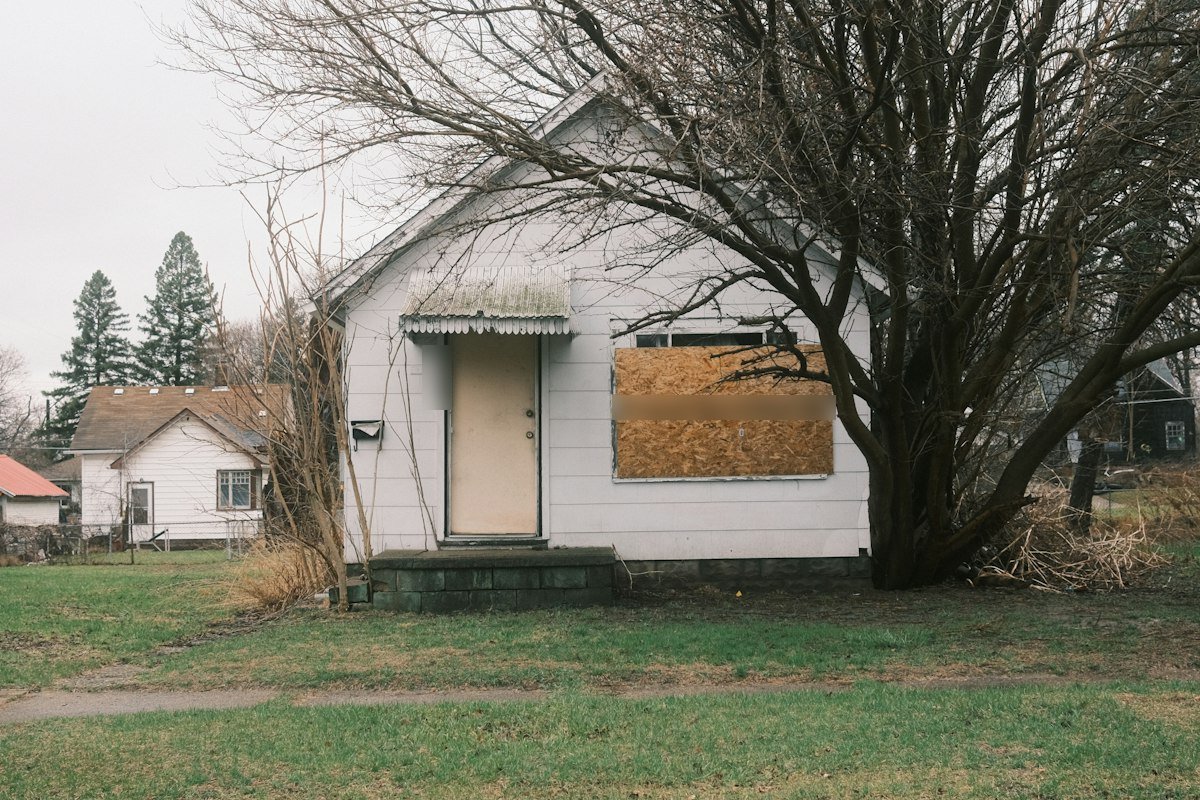
- Does it look lived in, or abandoned? Overgrown grass, closed curtains that never move, and a pile of flyers on the step all say "empty".
- Mail and deliveries: clear them, every visit
- Signs of a break-in from the front: broken glass, damaged doors, ladders left out
- Graffiti, dumped rubbish, vandalism
2. Around the outside
- Every door and ground-floor window: shut, locked, undamaged. Check the back, not just the front.
- Gates, sheds and garages: locked, nothing missing
- Roof and gutters from the ground: missing tiles, blocked gutters, water running down walls
- Signs of people using the garden or outbuildings
3. Inside, room by room
- Signs anyone has been in: footprints, moved furniture, bedding, food, needles. If you think someone may still be inside, don't go in. Leave and call the police.
- Water: stains on ceilings and walls, damp patches, puddles under sinks, the smell of damp
- Pests: droppings, gnawed packaging, insects
- Temperature: in cold weather, whether the heating is keeping the inside above freezing, or whether the system has been drained
- Smoke and carbon monoxide alarms still working, if the power is on
4. Systems and services
- Water: off at the stopcock or main valve, or on, as intended. If it's on, check for leaks and run the taps briefly.
- Heating: on a frost setting, or the system drained, as intended for the season
- Electricity: on or off as intended; meter reading if you need it
- Gas: off or on as intended; meter reading if needed
- Alarm: set, and working. Record that it was set, never the code.
5. Before you leave
- Lock up and check every door you opened
- Photograph the same points as last time: front, back, each entry point, any issue
- Note anything that needs fixing, who's going to fix it, and by when
What empty properties usually go wrong with
Water. Burst pipes in winter, a slow leak that runs for weeks, a blocked gutter soaking a wall. Water damage is often the biggest single risk, and the hardest to spot from outside.
Break-ins and squatters. A forced back door or window that nobody sees from the street.
Looking empty. Mail piling up, an overgrown garden and the same curtains closed for months invite both of the above.
Pests. Mice and rats move in quickly when nobody's disturbing them.
Gaps in the record. The visits happened, but there's nothing to show it.
How often to visit
It depends on the property, the season and your insurer. Weekly is common, and some policies require it. In freezing weather, after a storm, or after anything suspicious, visit sooner. Whatever the frequency, keep to it, and record every visit, including the ones where nothing was wrong.
Doing it on the walk
A vacant property visit should take fifteen minutes, not an hour. Most of it is the same checks every week, and the value is in doing them consistently and having the photos to show it.
Speak while you walk, and the document writes itself. "Thursday visit. Front secure, mail cleared, six items. Back door locked, kitchen window latch loose, photo. Ceiling in the back bedroom, new brown stain about the size of a plate, photo. Water off at the main, heating on frost." Each photo carries the date, time and location, and the report is done before you've locked up.
Key Takeaway
The ReportWalk app includes a ready-made Vacant Property Check: security status, exterior, room-by-room interior, systems and issues, with photo points for entry doors, elevations and anything you find. It fills in as you speak, and every photo carries its date, time and location. First walks free. For the seasonal shutdown of an empty home, the free property winterization checklist fills in on a phone.
Related
- Property winterization checklist: shutting an empty home down for the cold
- Rental property inspection between tenants: the visit when a tenant leaves
- Rental property inspection checklist: the routine visit while it's let
- Insurance risk survey: what insurers look at
Frequently asked questions
What is a vacant property inspection? A regular visit to an empty property to check that it's secure, dry and undamaged, and to record the visit with dated photos. It covers the outside, every entry point, the inside room by room, and the water, heating, power and alarm.
How often should a vacant property be inspected? Weekly is common, and some insurance policies require it. Visit more often in freezing weather, after storms, or if anything suspicious has been found. Check your policy for what it requires.
What should a vacant property inspection checklist include? The street view, mail and deliveries, every door and ground-floor window, outbuildings, roof and gutters from the ground, signs of entry, water damage, pests and temperature inside, the state of water, heating, power, gas and alarm, and photos of the same points every visit.
Does insurance cover an empty house? Often only partly. Many policies restrict cover once a property has been unoccupied for a set period, commonly 30 or 60 days, and may require regular inspections or a specialist unoccupied-property policy. Read your policy or ask your insurer.
What should I do if I find signs of a break-in? Don't go inside if anyone might still be there. Leave, call the police, and take photos from outside. Once it's safe, record the damage, secure the property and tell your insurer.
How do I protect an empty property from frozen pipes? Either keep the heating on at a frost-protection setting or turn the water off and drain the system, depending on the property and your insurer's requirements, and check on every visit that it's still in that state.