Environmental Audit Checklist: Waste, Water, Spills and Storage, Walked Site by Site
An environmental site audit is a walk around a working site — a factory, a depot, a construction site, a yard — looking for the ways it could pollute: waste going to the wrong place, water carrying something into a drain, fuel or chemicals stored where a leak would reach the ground. It isn't the same as a Phase I environmental assessment for a property sale, which looks at past contamination. This is the regular check that today's operations aren't creating tomorrow's.
Most environmental incidents start as something visible on a walk: a split bag of waste, an open drum by a drain, a bund full of rainwater. This is the walk, in the order you'd do it.
Before you start: know where the water goes
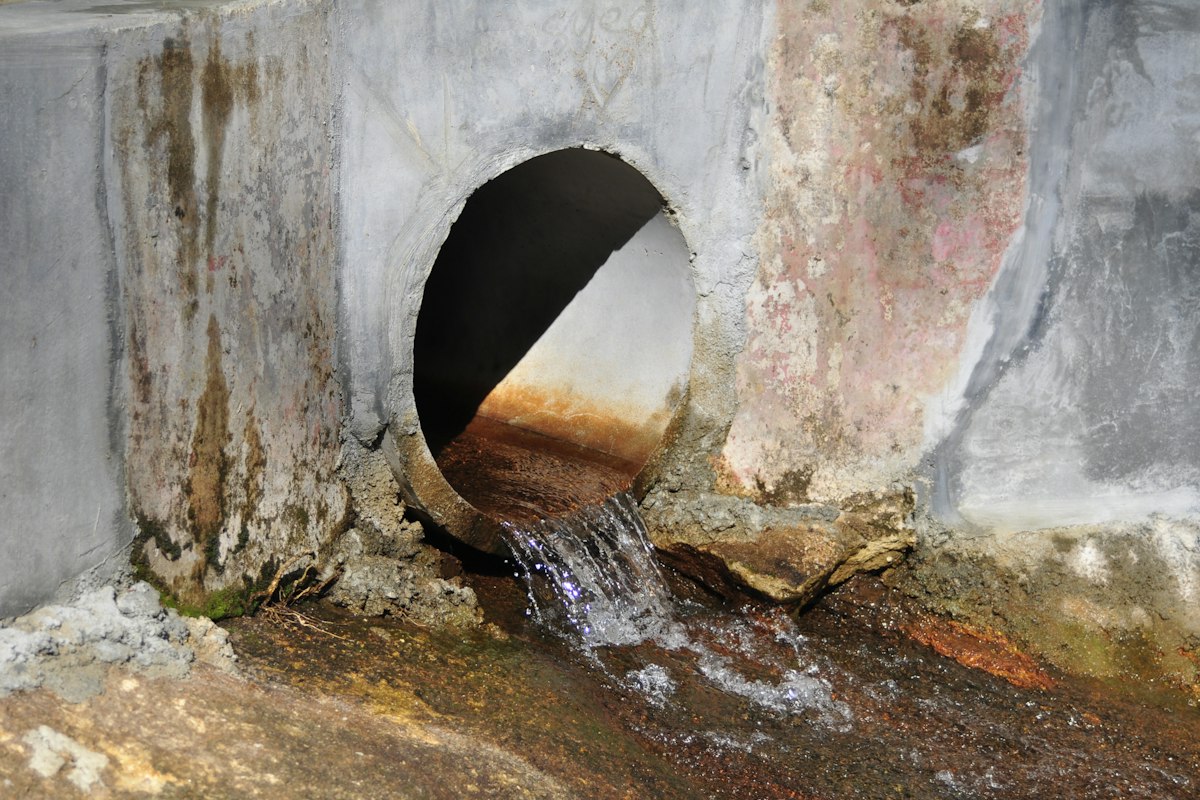
The single most useful thing to have on an environmental audit is the drainage plan. You need to know which drains go to the sewer (and onward to treatment), and which go straight to a river, a ditch or the ground. A spill into the first is a problem. A spill into the second is an incident.
If there's no plan, the first finding is that there should be one. Many sites mark drains on the ground: often blue for surface water and red for foul.
1. Waste
- Segregation: general waste, recycling, and hazardous waste kept separate, in labeled containers
- Hazardous waste: oils, solvents, paint, batteries, fluorescent tubes, contaminated rags and absorbents. Stored covered, labeled, and away from drains.
- Skips and bins: lids closed, not overfilled, nothing leaking from the bottom
- Paperwork: waste transfer or manifest records for what's left the site, and a licensed carrier collecting it
- Litter and windblown waste around the boundary
2. Water and drains
- Drains: clear, covers in place, nothing being washed into them
- Washing areas: vehicle and equipment washing on a pad that drains to the right place, not the yard
- Oil separators and interceptors: maintained, not full, records of emptying
- Discharges: any permitted discharge — trade effluent to sewer, treated water to a river — within what the permit allows, and sampled as required
- Stormwater on construction sites: silt fences, inlet protection, stockpiles covered, mud kept off the road
3. Fuel and chemical storage
This is where the biggest pollution risks usually sit.
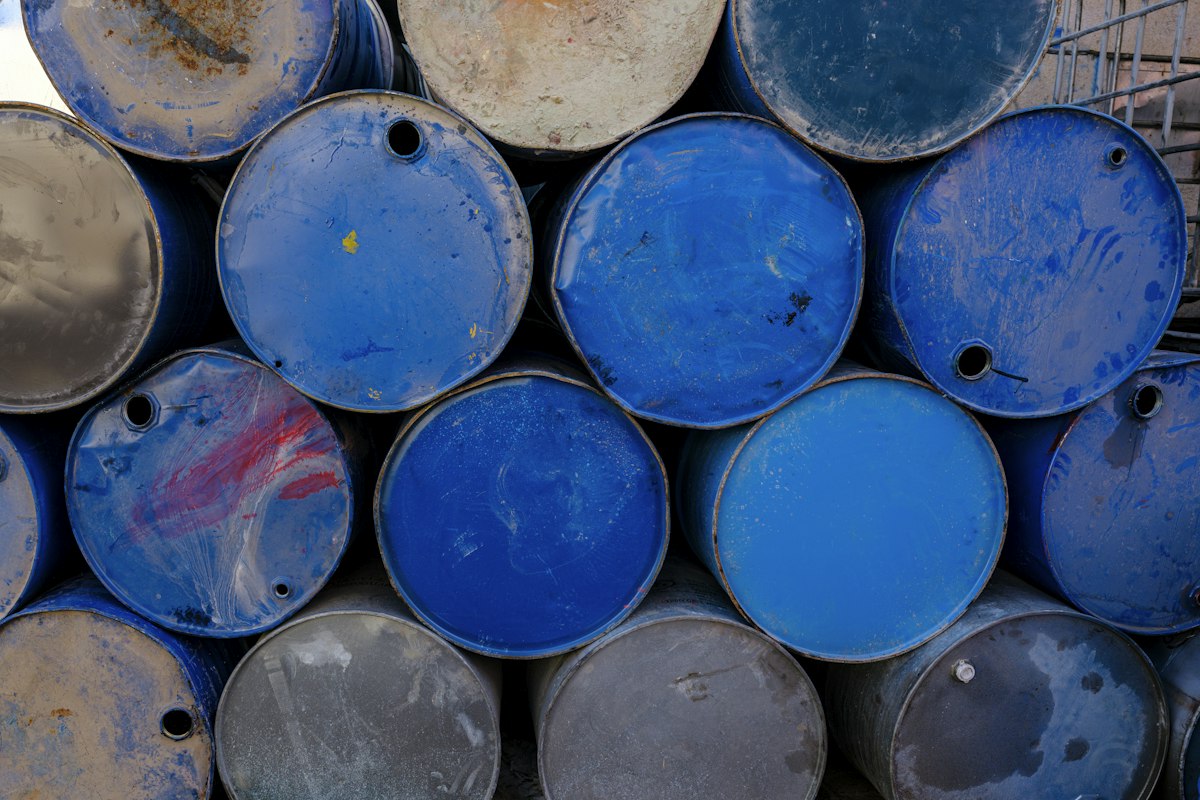
- Secondary containment: tanks and drums in bunds or double-skinned, sized to hold a leak from the largest container
- Bunds: intact, not full of rainwater, no drain valve left open
- Containers: closed, labeled, in good condition, no leaks or staining underneath
- Refueling points: drip trays, spill kit nearby, away from drains
- Pipework and hoses: no weeping joints, nozzles locked when not in use
4. Spill readiness
- Spill kits at the places a spill is likely, the right type, and stocked. (See our spill kit inspection checklist.)
- Drain covers or mats where a spill could reach a drain
- People know what to do: stop the source, protect drains, contain, report
- Records: spills and near misses recorded, and what was done about them
5. Air, noise and nuisance
- Dust: from stockpiles, cutting or traffic, kept down
- Emissions: stacks and vents as permitted; no visible smoke or odors beyond the boundary
- Noise: working hours respected, and any noise limits in the permit or planning conditions
- Light: floodlights not shining into neighbors' windows
6. Permits and paperwork
- Permits and consents held, current, and on site where required
- Conditions: what the permit says the site must do, and whether it's doing it
- Monitoring records: sampling, inspections, maintenance of pollution control equipment
- Complaints log: complaints from neighbors and what was done
What environmental walks usually find
The bund full of rainwater. It looks like containment, but a full bund contains nothing. Or the drain valve has been left open to empty it.
Hazardous waste in the general skip. Oily rags, aerosol cans, paint tins.
The washdown that runs to the river drain. Nobody knew which drain went where.
The permit nobody has read. It sits in a file. The conditions it sets aren't being monitored.
No photos. A finding without a photo is easy to argue about and hard to close.
Doing it on the walk
An environmental audit covers a whole site: yards, roofs, drains, stores, the back fence. It's a lot of ground to cover with a clipboard, and the details get lost between the walk and the write-up.
Speak while you walk, and the document writes itself. "North yard, drum store. Bund about a third full of rainwater, drain valve closed. Two drums unlabeled, photo. Surface water drain six meters away, no cover." is the finding, the location and the photo, recorded while you're still standing there.
Key Takeaway
The free environmental risk assessment records a site's environmental aspects and impacts, drains and discharges, storage, spill prevention and permits. The site waste management audit covers waste in depth, and the hazardous material handling inspection covers chemical stores. All fill in on a phone; in the ReportWalk app they fill in as you speak. First walks free.
Related
- Environmental risk assessment: the free template
- Site waste management audit: waste in depth
- Spill kit inspection checklist: ready for the spill
- Phase 1 environmental: the property transaction site visit, a different job
Frequently asked questions
What is an environmental site audit? A walk-through of a working site to check that its operations aren't causing pollution and that it's meeting its environmental permits: waste, water and drains, fuel and chemical storage, spill readiness, air, noise and paperwork.
What should an environmental audit checklist include? Waste segregation and records, drainage and discharges, fuel and chemical storage and containment, spill kits and procedures, dust, emissions, noise and light, and permits, monitoring records and complaints.
How is an environmental audit different from a Phase I environmental site assessment? A Phase I looks at a property's history and the likelihood of past contamination, usually for a sale or loan. An environmental site audit checks whether a site's current operations are controlled and compliant.
How often should an environmental site audit be done? Many sites do a short walk monthly and a full audit once or twice a year, plus a check whenever operations change. Permit conditions sometimes set inspection frequencies.
What is secondary containment? A bund, tray or double-skinned tank that holds liquid if the main container leaks. It needs to be big enough for the largest container, intact, and kept free of rainwater.
What are the most common environmental audit findings? Bunds full of rainwater or with open valves, hazardous waste in general skips, unlabeled containers, drains without covers near storage, washdown water going to surface water drains, and permit conditions that aren't being monitored.