Smoke & CO Detector Inspection Checklist: Placement, Testing, and How to Document Defects
Smoke alarms and CO alarms are small, cheap components with an outsized impact.
They’re also a common source of report confusion:
- Clients assume “present” means “working perfectly.”
- Sellers assume missing alarms are “minor.”
- Inspectors get dragged into code debates.
This checklist is designed for a practical home inspection: confirm presence, test where appropriate, document defects clearly, and recommend upgrades when needed.
Important
Follow your SOP. Some inspections do not require verifying exact code placement. You can still document missing/defective alarms as a safety concern.
What to Record (Always)
- Smoke alarms present? (yes/no/limited)
- CO alarms present? (yes/no/limited)
- Combination units? (smoke/CO combo)
- Power type (if visible): hardwired, battery, plug-in
- Locations observed (representative)
Placement Basics (High-Level)
Without getting into every local rule, most standards expect:
- Smoke alarms in/near sleeping areas and on each level
- CO alarms near sleeping areas and on each level when fuel-burning appliances/attached garage are present
If placement seems obviously lacking, document it.
Testing Checklist
Options depending on tools and SOP:
- Use alarm test button
- Use smoke alarm tester/aerosol (if you carry it)
Document exactly what you did:
- “Test button operated” vs “Not tested”
Common limitations:
- High ceilings, vaulted spaces, inaccessible units
Common Defects to Call Out
- Missing alarms on level(s)
- Missing CO alarm when attached garage/fuel appliances present
- Disabled alarms (missing batteries, chirping)
- Painted-over alarms
- Alarms older than typical service life (if date visible)
Photo Checklist
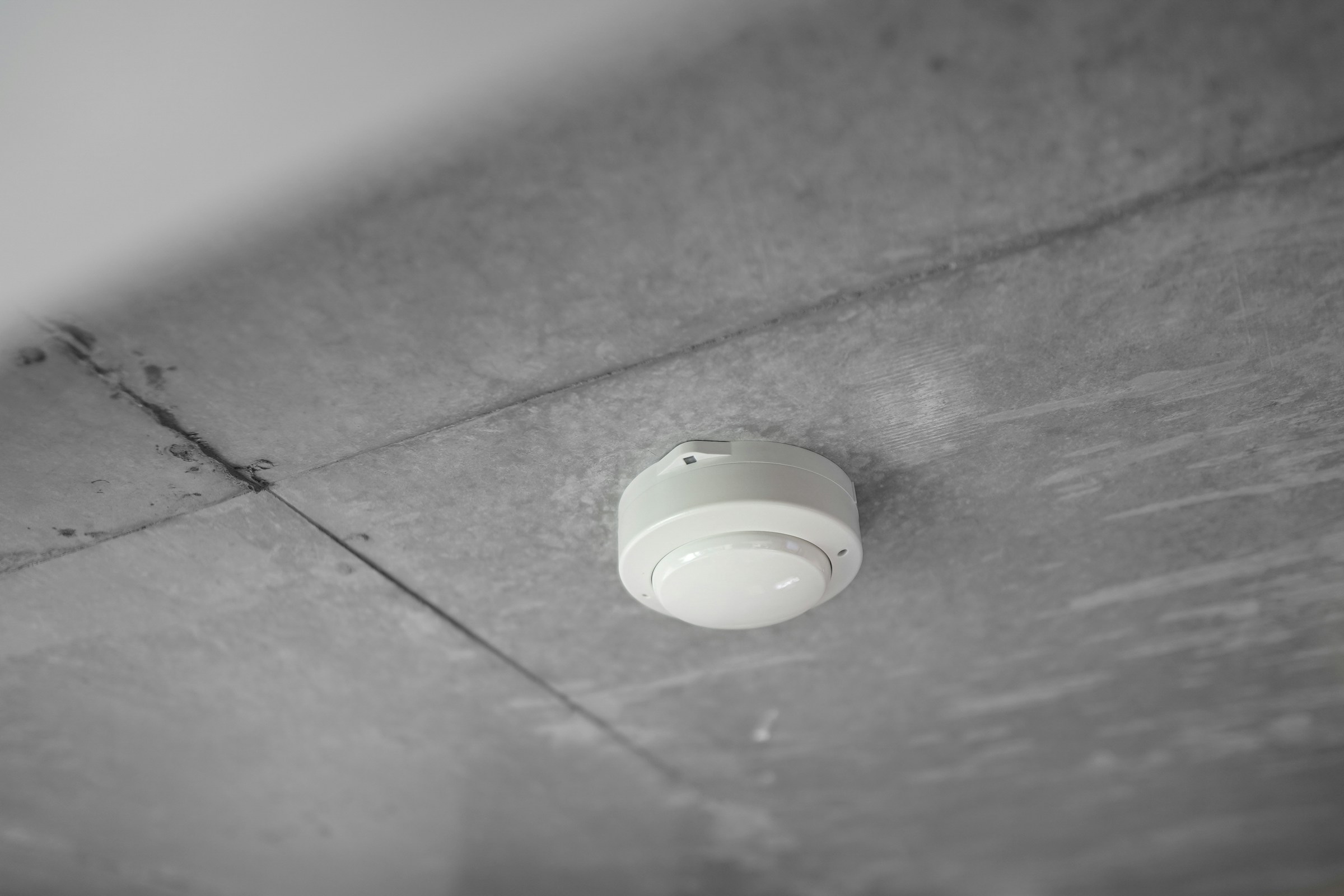
- Representative smoke alarm presence
- Representative CO alarm presence
- Any missing location (photo of hallway/area showing none present)
- Any disabled/painted-over alarm close-up
Report Language Templates
Missing smoke alarms
“Smoke alarms were not observed in one or more expected locations/levels. This is a safety concern. Recommend installing smoke alarms in appropriate locations and testing per manufacturer instructions.”
Missing CO alarms
“CO alarm(s) were not observed in one or more expected locations, and the home has ____ (attached garage/fuel-burning appliances). Recommend installing CO alarm(s) in appropriate locations.”
Alarm not tested
“Alarm function was not fully verified beyond visual observation/test button operation. Recommend testing and replacement as needed per manufacturer instructions.”
Disabled alarm
“Alarm appeared disabled (chirping/missing battery). Recommend immediate correction for life safety.”
Where ReportWalk Helps
Safety notes need to be short and crystal clear. ReportWalk helps you dictate a consistent safety finding (location → condition → safety implication → recommendation) and attach the one photo that proves it.
Quick Field Checklist (Copy/Paste)
- Smoke alarms present on each level / near sleeping areas (representative)
- CO alarms present where applicable
- Test button operated (if SOP allows) and noted
- Disabled/painted/expired alarms documented
- Clear install/replace recommendation included