Roof Inspection Report Writing: Phrases, Photos & Defect Notes That Hold Up
If you want fewer disputes, your roof section needs to do three things clearly:
- State scope and limitations (what you inspected and how)
- Document condition with photos (context + defect)
- Recommend next steps (repair vs. evaluate vs. monitor)
Most roof drama comes from vague language like “roof appears ok.” A defensible roof inspection report is specific: roof type, observed wear, defect locations, and what you recommend.
Important
This is general guidance for inspectors. Follow your SOP and your contract. Only access roofs when safe.
The Minimum Photo Set (So Your Roof Section Is Defensible)
Include:
- Roofline context (front/rear or best vantage)
- At least 1 representative roof surface photo
- 1 photo per defect you call out
- 1 photo per limitation (steep roof, wet roof, inaccessible areas)
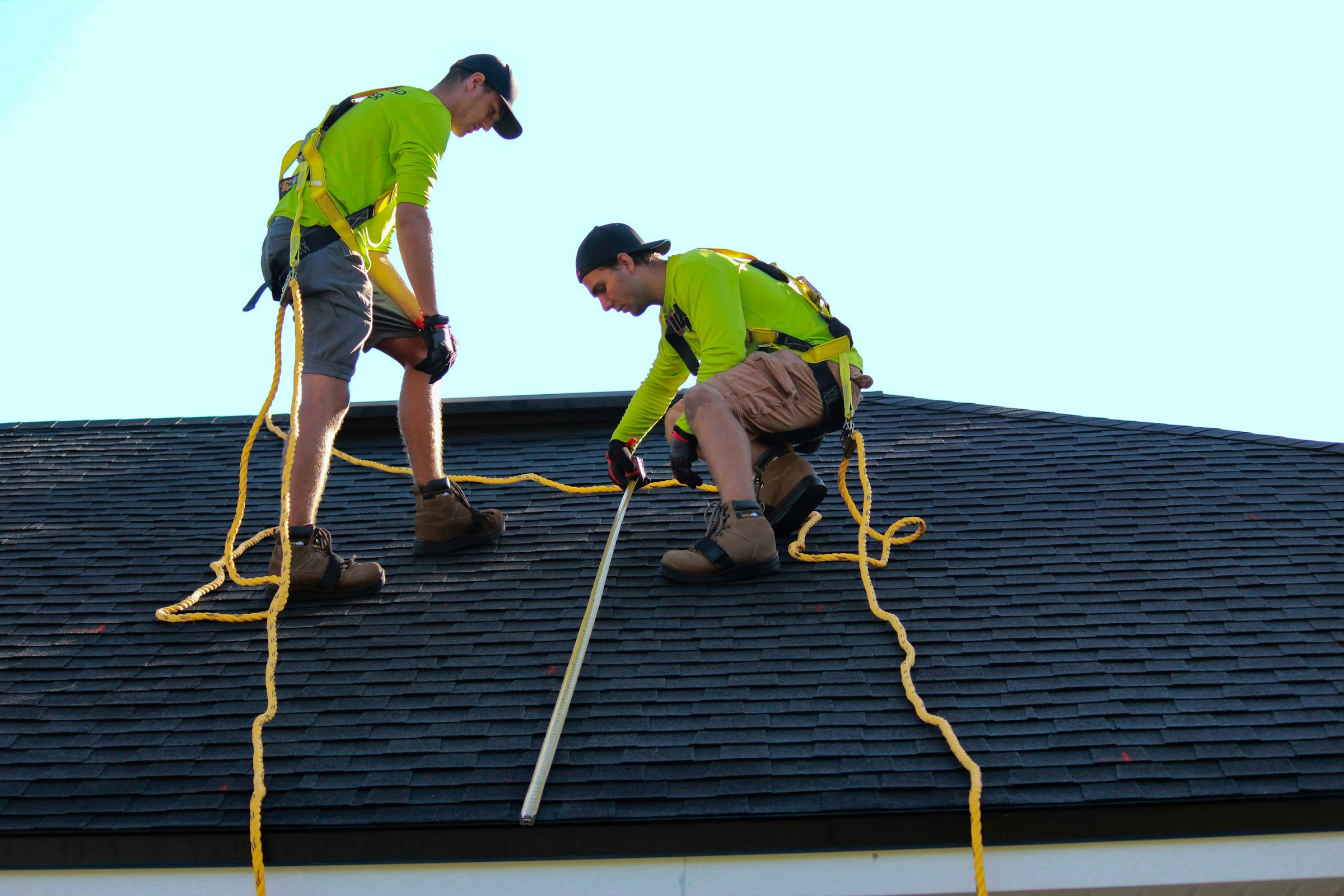
If you can safely access the roof:
- At least 1 penetration flashing photo (plumbing vent / furnace vent)
- At least 1 valley or transition photo (if present)
- Gutters/downspouts discharge photo (water management)
The 5-Part Roof Narrative (Template)
Use this structure:
- Roof type and age (if known)
- Access method (walked / ladder at eave / drone / ground view)
- Observed condition (representative)
- Defects (location + description + photo)
- Recommendation
Example paragraph
“Roof covering appears to be asphalt shingles (age unknown). Roof was inspected from accessible areas and at eave vantage points. Representative areas show age-related wear. Defects observed include damaged/missing shingles at ____ and concerns at flashing around ____ . Recommend qualified roofing contractor repair and re-evaluate after repairs.”
Phrases That Prevent Misinterpretation
- “At the time of inspection…”
- “No active leakage was observed; leaks can be intermittent.”
- “Inspection was limited due to ____.”
- “Recommend evaluation by a qualified roofing contractor.”
Avoid:
- “Roof is fine.”
- “Roof has 5 years left.” (unless you have data and your SOP supports it)
Common Defect Notes (Copy/Paste)
Damaged/missing shingles
“Damaged/missing shingles observed at ____ . This condition can allow moisture intrusion. Recommend repair by a qualified roofing contractor.”
Exposed fasteners / nail pops
“Exposed fasteners/nail pops observed at ____ . Recommend repair/sealing by a qualified roofing contractor.”
Flashing concern
“Defects observed at flashing around ____ . Flashing defects are common leak sources. Recommend roofing contractor repair.”
Valley debris/wear
“Valley area shows debris accumulation/wear. Recommend cleaning and evaluation/repair as needed to reduce leak risk.”
Ponding (low-slope)
“Evidence of ponding water observed (staining/debris lines). Ponding can accelerate roof deterioration. Recommend roofing contractor evaluation.”
Limitation Language (Use This When You Can’t Walk It)
“Roof inspection was limited due to ____ (height/steepness/weather). Roof was observed from accessible vantage points. Recommend further evaluation by a qualified roofing contractor if additional certainty is desired.”
Where ReportWalk Helps
ReportWalk helps you dictate roof observations in a consistent format (location → condition → implication → recommendation) and attach the photos that support your call so you’re not rewriting roof sections at midnight.
Quick Checklist
- Roof type noted
- Access method documented
- Representative photo included
- Each defect has: location + photo + recommendation
- Limitations documented with photo