AFCI Breaker Testing in a Home Inspection: What You Can Verify, What You Can’t, and Report Language
Arc-Fault Circuit Interrupters (AFCIs) are a life-safety protection device designed to reduce fire risk from certain arcing faults. They’re also a common source of client questions during the inspection (“Should we press the button?” and “Why did it trip?”).
This guide is written for inspectors: a simple field workflow, realistic limitations, and report language you can stand behind.
Important
Follow your SOP and local standards. This is a functional test of accessible devices only — not a code compliance inspection. If testing risks loss of power to critical equipment (medical devices, servers, etc.), document and defer.
1) What the AFCI “TEST” Button Actually Proves
When you press the TEST button on an AFCI breaker, you can reasonably report:
- The breaker responded to its internal test function and tripped.
- The breaker could be reset and restored power (if you confirmed it).
What the TEST button does not prove:
- That all AFCI protection requirements are met for the home (code varies by era and jurisdiction).
- That every downstream device is wired correctly.
- That the breaker will detect every possible arc-fault condition (the test is a built-in simulation, not a comprehensive arc generator).
2) Quick Pre-Test Checks (30 seconds)
Before you press anything, note:
- Client/occupant permission if your SOP requires it.
- Any critical loads that shouldn’t lose power (refrigerators, sump pumps, medical gear, computers).
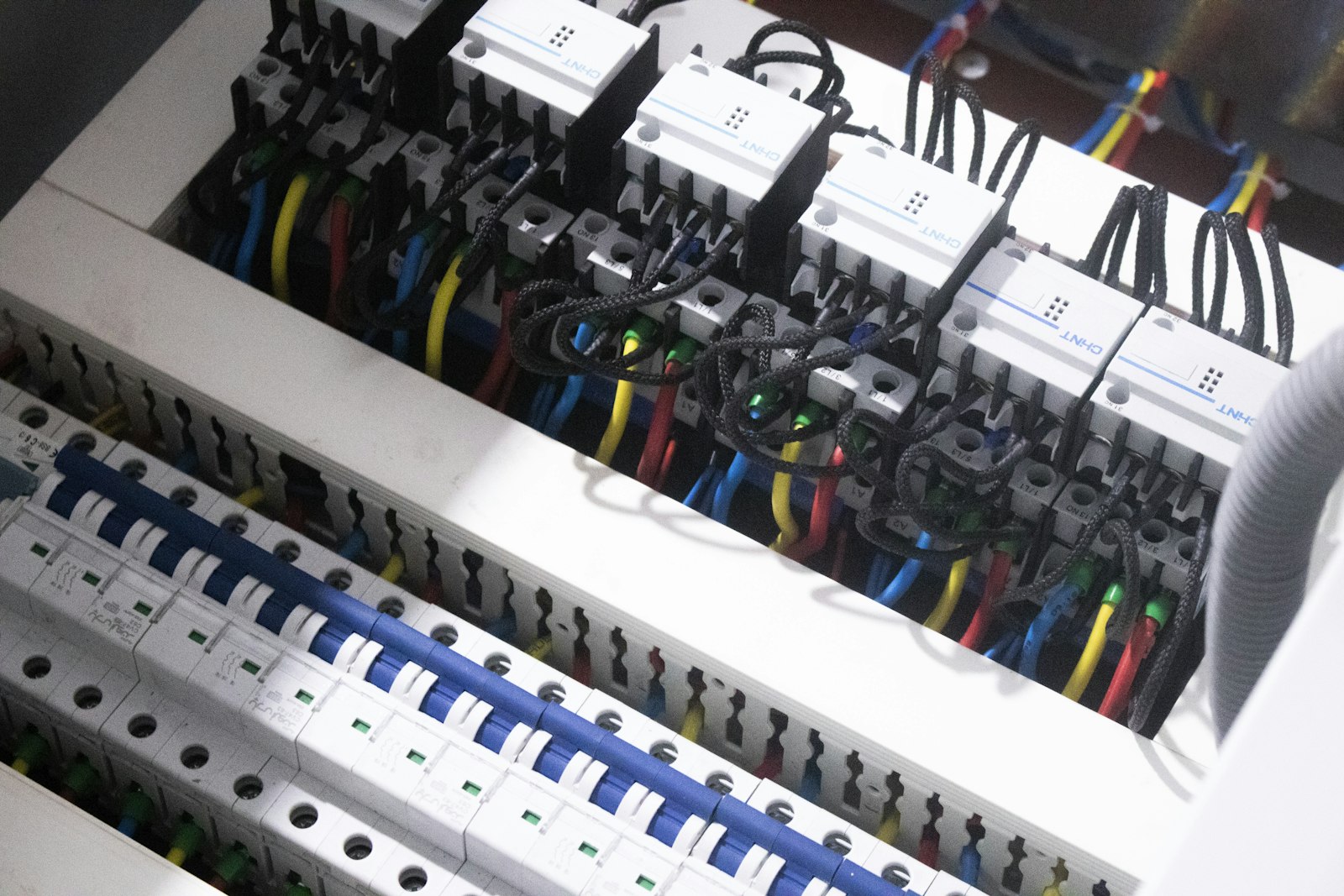
- Whether the panel is safely accessible and the deadfront appears intact.
Note
If the panel shows scorching, active moisture, corrosion, missing knockouts, or other safety hazards, document and recommend evaluation rather than manipulating breakers.
3) A Simple Field Workflow for AFCI Testing
Use a consistent routine so your documentation is repeatable:
- Identify the breaker as labeled (e.g., “Bedroom outlets”).
- If safe to do so, press TEST.
- Confirm the breaker tripped (handle moves to tripped position).
- Reset per manufacturer behavior (often OFF → ON).
- Confirm restored power at one representative outlet or fixture on that circuit (if accessible).
Common outcomes you’ll encounter:
- Trips and resets normally → document as tested/functional at time of inspection.
- Will not trip on TEST → device may be non-functional; recommend electrician evaluation.
- Trips but won’t reset → potential device failure or downstream issue; recommend evaluation.
- Resets but trips again quickly → likely an actual fault or nuisance-trip condition; document and recommend evaluation.
4) Common “Nuisance Trip” Scenarios (Good to Recognize)
You don’t need to diagnose the root cause, but recognizing patterns helps you write better recommendations:
- Shared neutral issues / multi-wire branch circuits not handled correctly
- Loose connections at devices (receptacles, switches) causing arcing
- Certain older appliances, treadmills, vacuum cleaners, or dimmers
- Overloaded circuits and heat-related connection problems
- DIY work (backstabbed receptacles, mixed conductors, improper splices)
Important
If an AFCI trips repeatedly, don’t “force” it back on. Document and recommend evaluation. Repeated resetting can worsen overheating or arcing conditions.
5) Reporting: Keep It Defensible
Your report should stay in “observable facts + implication + recommendation” territory:
- What you did (or didn’t do)
- What happened
- Why it matters (safety + function)
- What a qualified pro should do next
Report Language Templates
AFCI breaker responded normally to test
“The AFCI breaker serving ____ responded to its built-in test function and reset normally at the time of inspection. This is a limited functional test only; no determination is made regarding code compliance or downstream wiring conditions.”
AFCI breaker did not trip when tested
“The AFCI breaker serving ____ did not trip when tested using the built-in TEST button. This may indicate the protective function is not operating as intended. Recommend evaluation and correction by a qualified electrician.”
AFCI breaker tripped but would not reset
“The AFCI breaker serving ____ tripped during testing and would not reset. Recommend evaluation by a qualified electrician to determine the cause and complete repairs as needed.”
AFCI breaker reset but tripped again
“The AFCI breaker serving ____ reset but tripped again during normal use/shortly after reset. This may indicate an underlying electrical fault or device issue. Recommend evaluation by a qualified electrician; avoid repeated resetting.”
Testing limitation
“AFCI testing was limited due to ____ (e.g., occupant request, critical loads, inaccessible panel). Devices not safely testable were not tested. Recommend further evaluation as needed.”
Where ReportWalk Helps
Electrical findings get messy fast: labels don’t match, circuits feed unexpected areas, and you’re balancing safety with scope. ReportWalk helps you dictate a clean finding on site — location → observation → implication → recommendation — and attach the panel/circuit photos that support exactly what you tested.