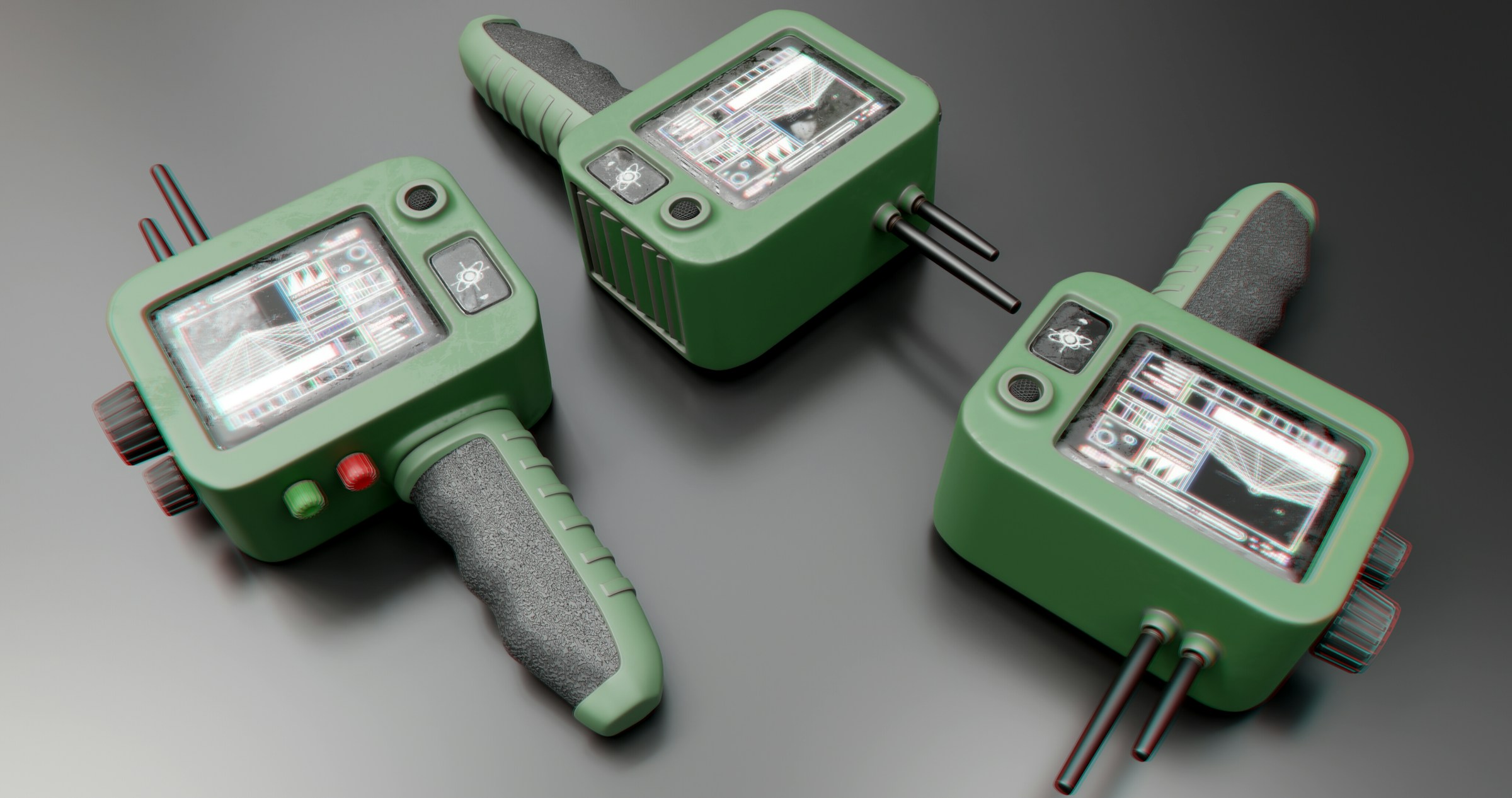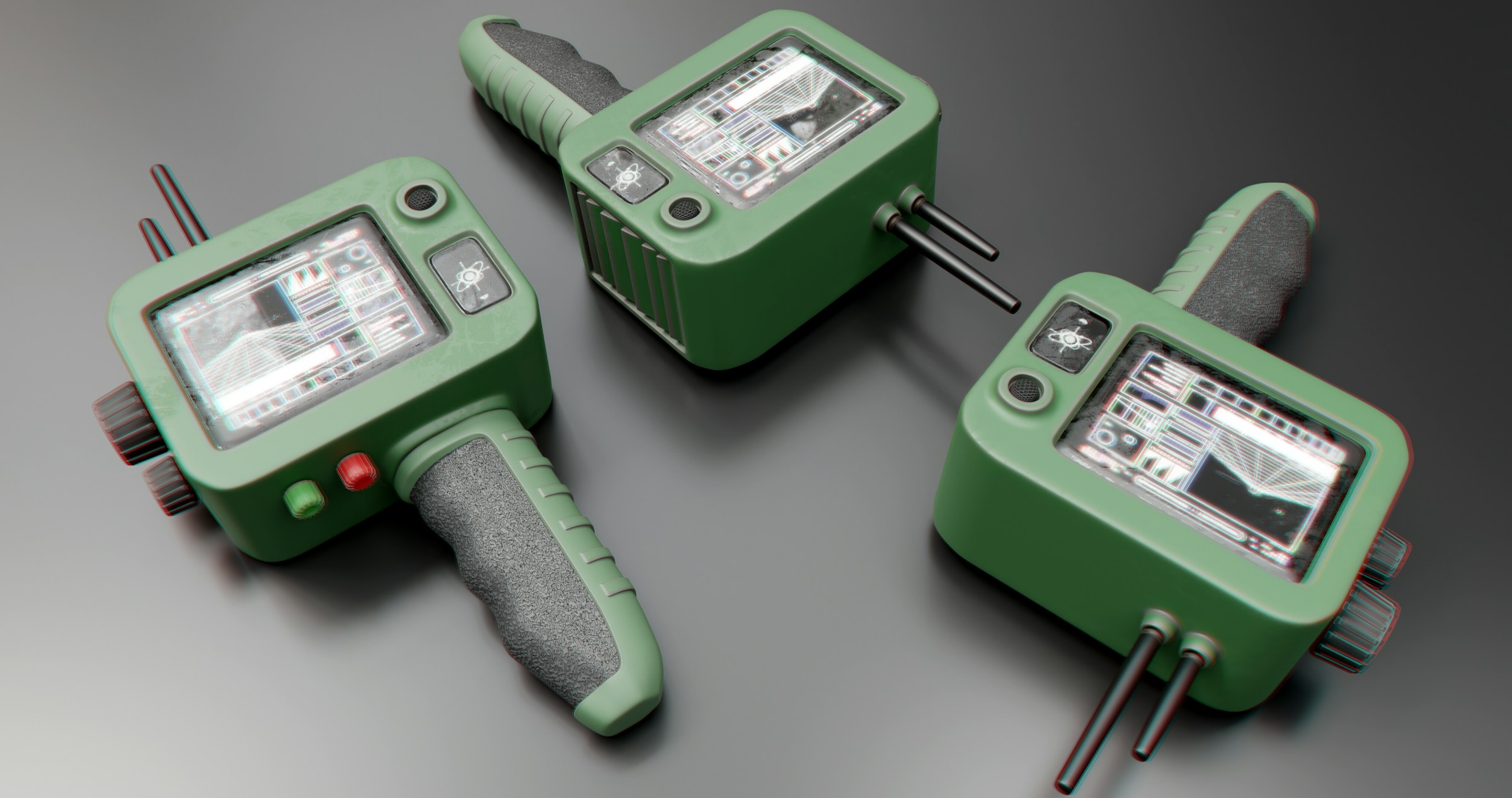
Moisture Meter Readings in Inspections: What’s Normal, What’s a Red Flag, and How to Write It Up
Moisture meters are one of the best tools an inspector can carry — and one of the easiest tools to misuse.
A reading doesn’t “prove” a leak. It gives you supporting evidence that something is wetter than it should be compared to nearby materials. If you document it correctly (baseline + comparison + location + limitation), it can make your report far more defensible.
Important
Meters vary (pin vs pinless) and materials vary (tile, plaster, metal lath, foil-backed insulation). Use readings as supporting data, not a diagnosis.
Pin vs. Pinless: What You’re Measuring
- Pin meters measure electrical resistance between pins (more direct, leaves small holes).
- Pinless meters scan a depth range and can be influenced by material composition.
Your report should note the meter type if readings are central to a recommendation.
The Baseline Rule (Do This Every Time)
Before you quote a number, take a “dry reference” reading:
- Choose a nearby area of the same material that appears dry.
- Record that as baseline.
- Record the reading at the suspect area.
Defensible phrasing: “Readings were elevated compared to adjacent reference areas.”
Where to Test (High-Value Spots)
- Below windows (corners and sill line)
- Around tubs/showers (outside corners, base)
- Under sinks (cabinet base and back wall)
- Around toilets (base area)
- Ceiling below bathrooms
- Basement walls where staining/efflorescence is present
Common False Positives / Misleading Readings
- Tile and stone
- Metal lath behind stucco
- Foil-backed insulation
- Dense plaster
- Electrical wiring near scan area
If readings are inconsistent, say so.
What Counts as “Elevated”?
There’s no single universal number across all meters and materials.
Instead, focus on:
- difference vs baseline
- the presence of visible evidence (staining, swelling)
- whether the pattern makes sense (water pathways)
Report Language Templates
Elevated readings with visible evidence
“Moisture meter readings were elevated at ____ compared to adjacent reference areas. Staining/finish damage was also observed. Recommend further evaluation and correction of the moisture source by a qualified contractor.”
Elevated readings without visible damage
“Moisture meter readings were elevated at ____ compared to nearby reference readings. No active leakage was observed at the time of inspection. Recommend monitoring and further evaluation if conditions recur or worsen.”
Limitations
“Moisture readings are a non-invasive screening tool. Exact moisture content and source cannot be confirmed without invasive investigation and/or specialist testing.”
Where ReportWalk Helps
If you’re taking readings but struggling to write them up consistently, ReportWalk helps you dictate: location → baseline vs elevated → observed evidence → limitation → recommendation, paired with the meter photo.