Moisture Intrusion Inspection: Where to Look, What to Photograph, and How to Write It Up Fast
Moisture intrusion is one of the highest-frequency, highest-cost categories of home problems.
It’s also one of the easiest to write poorly in an inspection report.
A good moisture intrusion note does not claim certainty you don’t have. It documents:
- observable evidence (staining, swelling, elevated readings)
- likely contributors (drainage, flashing, plumbing, condensation)
- limitations (non-invasive, visual, no controlled water test)
- next step (the right trade)
This is a practical field guide you can use on-site.
Important
This is general guidance, not legal advice. Follow your SOP and your contract. Many moisture issues require specialist evaluation.
Start Outside: Water Management First
Most intrusion begins with:
- roof drainage dumping water at the perimeter
- poor grading (negative slope)
- missing flashing details at roof-to-wall transitions
- failed sealant at penetrations/openings
Exterior photo set:
- Downspout discharge point (show distance to foundation)
- Grade line at wall
- Any roof-to-wall intersection/kickout flashing area
- Any obvious penetration/sealant failure
Then Go Inside: Pattern Recognition
Interior clues that matter:
- ceiling stains below baths/roof valleys
- corner staining at exterior walls
- swollen baseboards/trim
- bubbling paint
- cupped flooring
Photo set (per issue):
- Context (room)
- Mid-range (component)
- Close-up (damage)
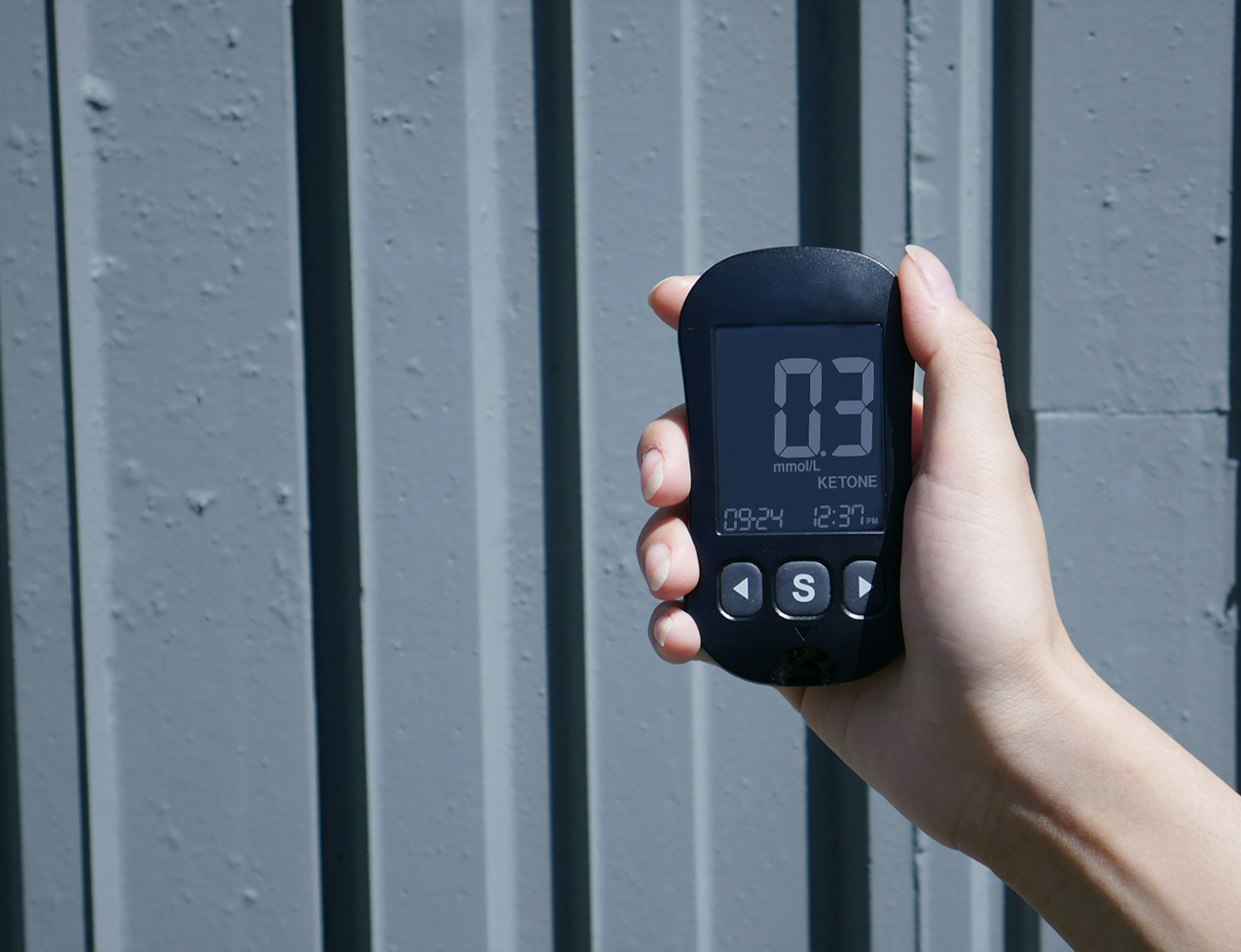
- Meter reading (if used)
Moisture Meter Use (Supporting Evidence)
Best practice:
- Take a dry baseline nearby
- Record comparative readings
Defensible phrasing: “Moisture meter readings were elevated at ____ compared to adjacent reference areas.”
Avoid:
- “Definite mold” without testing
- “Active leak” without seeing active leakage
Condensation vs. Intrusion vs. Plumbing (Fast Triage)
- Intrusion: rain-related, openings/flashings, exterior walls
- Plumbing: under kitchens/baths, supply/drain areas
- Condensation: cold surfaces, ventilation issues, humidity
Report Language Templates
Suspected intrusion
“Evidence consistent with moisture intrusion observed at ____ . Exact source could not be confirmed during a visual inspection. Recommend further evaluation and repairs by a qualified building envelope contractor.”
Past staining
“Staining observed at ____ . No active leakage observed at time of inspection. Recommend monitoring and evaluation/repair if conditions recur.”
Active leak
“Active leakage observed at ____ . Recommend plumber repair and re-check for concealed damage after repairs.”
Where ReportWalk Helps
Moisture narratives are easy to underwrite or overstate. ReportWalk helps you dictate clear, consistent findings (location → evidence → limitation → recommendation) with the right photos attached.