Home Inspection Checklist: The Ultimate Guide for Inspectors
Every inspector has their own rhythm. You develop it over hundreds of inspections — the order you walk a property, the spots you check first, the mental flags that tell you to dig deeper. That rhythm is valuable. But it's not a system.
A system catches what rhythm misses. It catches the item you'd normally check but forgot because the client was talking. It catches the area you skipped because you were running behind. It catches the thing you've never seen fail in 10 years — until the day it does.
This is the working checklist organized by building system. Not a standards-of-practice minimum. Not a homebuyer explainer. This is the list you actually work from, written for inspectors who've been doing this long enough to know why every item is here.
Why a Systematic Checklist Matters
The InterNACHI SOP covers what you're required to inspect. Your checklist should cover what you're smart to inspect. There's a gap between those two, and that gap is where callbacks, missed defects, and E&O claims live.
A system-by-system approach works better than a room-by-room approach for one reason: it forces you to follow each system completely. Plumbing doesn't stop at the kitchen sink. Electrical doesn't stop at the panel. When you inspect by system, you trace each one from beginning to end.
Pro tip: Print your checklist on waterproof paper or use a tablet with a ruggedized case. The crawlspace doesn't care about your equipment.
Exterior: Roof, Siding, Grading, and Drainage
Roof (From Ground and Ladder)
- Covering material: Type, approximate age, general condition
- Shingle condition: Curling, cracking, missing, granule loss (check gutters and downspout discharge for granule accumulation)
- Flashing: All roof-to-wall intersections, valleys, chimneys, vent pipes, skylights
- Ridge and hip caps: Secure, not cracked or lifting
- Gutters and downspouts: Attached, not sagging, discharge directed away from foundation (minimum 4 feet)
- Fascia and soffit: Rot, paint failure, animal damage, soffit vent screens intact
- Chimneys: Crown condition, flashing, cap/spark arrestor, mortar joints, flue liner visible from top
- Penetrations: Vent boots, satellite dishes, solar panel mounts — all sealed
- Visible decking: From attic, check for daylight, staining, sagging between rafters
Siding and Cladding
- Material identification: Vinyl, fiber cement, wood, stucco, brick, stone — each has its own failure modes
- Condition: Cracks, rot, warping, buckling, efflorescence (masonry)
- Clearance to grade: Minimum 6 inches from siding to soil. This is the most commonly violated detail on residential construction.
- Caulking and sealant: Around windows, doors, penetrations, trim joints
- Paint/finish: Peeling, chalking, bare wood exposure
- Trim: Window and door trim, corner boards, frieze boards — all potential moisture entry points
Grading and Drainage
- Positive drainage: Grade slopes away from foundation on all sides — 6 inches of fall in the first 10 feet is the standard
- Window wells: Proper depth, drains clear, covers if required
- Retaining walls: Leaning, cracking, drainage behind wall (weep holes)
- Hardscape: Driveways, walkways, patios — settling toward foundation is a problem
- Downspout extensions: Present and directing water away
Pro tip: Walk the exterior during or just after rain if you can schedule it. You'll see drainage problems in five minutes that would take an hour to deduce from dry conditions.
Structural: Foundation and Framing
Foundation
- Type: Poured concrete, block, stone, pier — identify it
- Cracks: Hairline is usually cosmetic. Horizontal cracks in block walls are structural. Stair-step cracks in block follow mortar joints and indicate settlement. Vertical cracks wider at top suggest settlement; wider at bottom suggest lateral pressure.
- Moisture evidence: Efflorescence, staining, active water, previous repair (hydraulic cement, coatings)
- Anchor bolts: Visible in unfinished areas — present and properly spaced
- Sill plate: Rot, insect damage, proper connection to foundation
Framing (Visible Areas)
- Floor framing: Joists — size, spacing, span appropriate for species. Check for notches and holes that violate allowable limits.
- Bearing walls: Proper support below (posts on footings, not floating)
- Beams: Adequate size, proper bearing at endpoints (minimum 3 inches on masonry, 1.5 inches on wood)
- Columns/posts: Plumb, not rusted at base (steel), not rotting at base (wood), properly connected top and bottom
- Roof framing: Rafters or trusses — check for sagging, cracking, modification (cut trusses are a major defect)
- Sheathing: Where visible, check for delamination, water damage, proper nailing
Pro tip: Bring a marble or small ball. Set it on finished floors. If it rolls consistently in one direction, you've got a slope worth investigating — and worth documenting on camera.
Electrical System
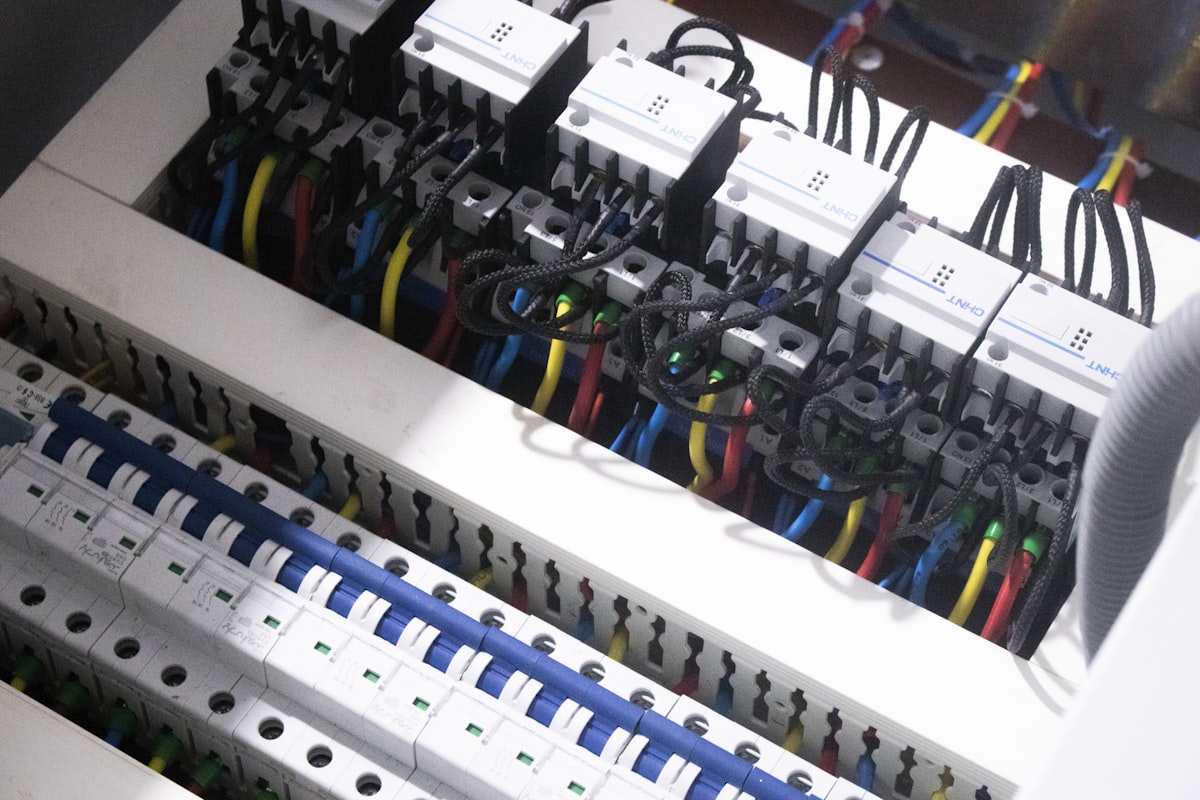
Service and Panel
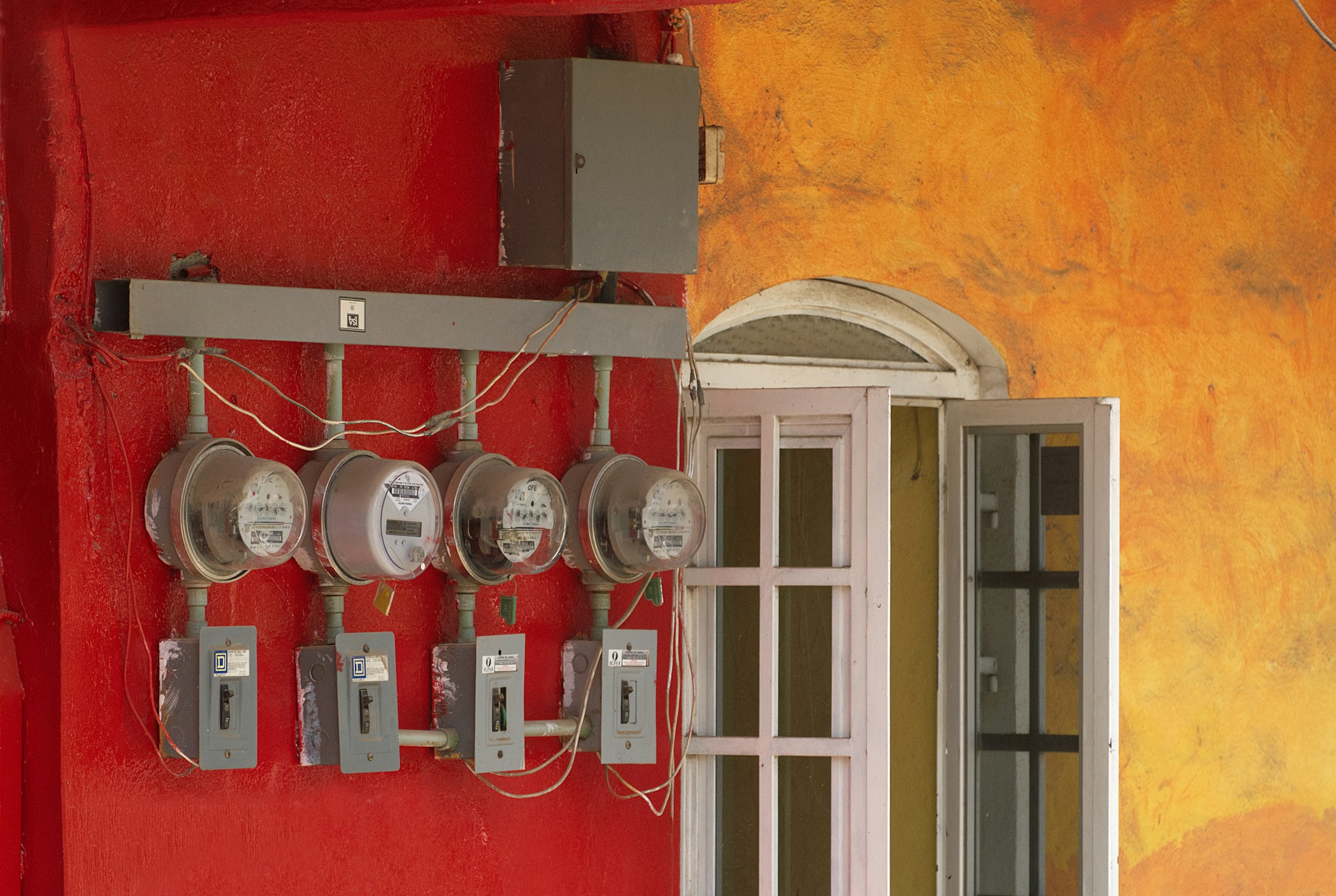
- Service entrance: Weatherhead, mast, meter base condition, SEC (service entrance conductors) condition
- Service size: 100A, 150A, 200A — appropriate for home size and demand
- Panel location: Accessible, proper clearance (30" wide, 36" deep, 78" high)
- Panel condition: Cover secure, no rust, no missing knockouts
- Main disconnect: Present and labeled
- Breakers: Proper sizing for wire gauge, no double-taps (except where listed for the breaker), proper torque (if you carry a torque screwdriver)
- Labeling: Circuit directory complete and accurate
Branch Circuits
- GFCI protection: Bathrooms, kitchen countertops, garages, exteriors, unfinished basements, crawlspaces, laundry (depending on code year)
- AFCI protection: Bedrooms at minimum (post-2002), most living spaces (post-2014)
- Outlet condition: Test a representative sample — proper polarity, ground present, secure in box
- Wiring type: Romex (NM), BX (AC), knob-and-tube, aluminum — identify what's present
- Aluminum wiring: If present, note connection type at devices (CO/ALR rated devices required)
- Junction boxes: Covers present, accessible, not buried
- Smoke/CO detectors: Present per current standard locations, functional
Common Red Flags
- Federal Pacific Stab-Lok panels
- Zinsco/GTE-Sylvania panels
- Double-tapped neutrals (always a defect)
- Exposed NM cable in areas subject to damage
- Extension cords used as permanent wiring
- Missing GFCI protection in wet locations
Plumbing System
Supply
- Main shutoff: Located, accessible, operational (test it if the client approves)
- Supply piping material: Copper, CPVC, PEX, galvanized, polybutylene — identify it
- Polybutylene: If present, it's a material defect worth calling out regardless of current condition
- Water pressure: Test at a hose bib — 40-80 psi is the acceptable range. Over 80 psi requires a PRV.
- Water heater: Type, fuel, capacity, age, TPR valve present and properly piped (to within 6 inches of floor or to exterior), no double-tapped gas connections
Drain/Waste/Vent
- Drain materials: PVC, ABS, cast iron, galvanized — identify and note condition
- Functional drainage: Run every fixture. Fill sinks, flush toilets, run showers simultaneously to check capacity.
- Visible waste piping: Check for leaks, corrosion, improper connections (rubber fernco couplings on drain stacks aren't wrong, but they're worth noting)
- Cleanouts: Present and accessible
- Traps: Present at every fixture (check under sinks visually, smell-test floor drains)
Fixtures
- Toilets: Secure to floor, no rocking, tank fills and shuts off, flapper seals, no base leaks
- Sinks: Functional drains, no cabinet moisture damage, supply valve condition
- Showers/tubs: Functional drain, caulk/grout condition, faucet operation, diverter function
- Exterior hose bibs: Functional, anti-siphon device present
Pro tip: After running all fixtures, go back to the basement or crawlspace and look for fresh drips. Leaks that don't show under a single-fixture test sometimes appear when the system is under full demand.
HVAC System
Heating
- Equipment type: Forced air furnace, boiler, heat pump, radiant — identify it
- Fuel type: Gas, electric, oil, propane
- Age: Data plate — manufacturer date, serial number decode
- Filter: Condition and size. A filthy filter tells you about maintenance habits.
- Combustion air: Adequate supply to equipment area
- Flue/vent: Proper material, proper slope, proper termination, no damage or separation
- Heat exchanger: Where visible — cracks, rust, separation. A cracked heat exchanger is a safety hazard requiring immediate attention.
- Distribution: Ductwork condition, insulation, connections, dampers functional
- Thermostat: Calls for heat, system responds, reaches set temperature
Cooling
- Condenser unit: Level pad, clean coils, proper clearance, refrigerant line insulation, no visible damage
- Evaporator coil: Where accessible — clean, no ice formation
- Condensate drain: Proper routing, trap where required, no blockage
- Temperature differential: 15-20°F between return and supply air is the general benchmark (measure after 15 minutes of operation)
Ventilation
- Bathroom fans: Present, functional, ducted to exterior (not into attic)
- Kitchen exhaust: Range hood vented to exterior, functional
- Dryer vent: Metal duct, proper routing, terminated to exterior, not into garage or attic
Interior: Walls, Floors, Windows, Doors
Walls and Ceilings
- Surface condition: Cracks (cosmetic vs. structural indicators), water stains, bulging, nail pops
- Moisture: Random probe with a moisture meter in areas below bathrooms, below windows, and around exterior walls
- Evidence of mold: Visual or musty odor — note location, don't identify species (you're not a lab)
Floors
- Condition: Squeaks, soft spots, slopes, damage
- Tile: Cracked or loose tiles, especially in wet areas — these are moisture entry points
- Subfloor: Where visible — condition, material, thickness appropriate for span
Windows
- Operation: Representative sample — open, close, lock
- Glass: Single, double, triple pane. Check for failed seals (condensation between panes).
- Weather stripping: Present and functional
- Egress: Bedrooms must have at least one egress window (minimum 5.7 sq ft opening, sill no more than 44" from floor)
Doors
- Exterior doors: Weatherstripping, threshold, deadbolt, self-closing (from garage to house)
- Interior doors: Operation, latching
- Garage door: Auto-reverse test (place 2x4 on floor — door must reverse on contact), photo-eye test, manual release functional
Attic
- Access: Locate and enter if safely accessible
- Insulation: Type, depth, approximate R-value. Note gaps, compression, areas of missing insulation.
- Ventilation: Ridge vent, soffit vents, gable vents — adequate for attic size. Verify soffits aren't blocked by insulation.
- Framing: Truss or rafter condition, no modifications, no cracking
- Sheathing: Staining, daylight, delamination
- Bathroom/kitchen venting: Ducted to exterior, not terminating in attic
- Wiring: No splices without junction boxes, no buried connections
- Chimney: Chase condition, clearance to combustibles
- Signs of pests: Droppings, nesting, damaged insulation
Pro tip: Take a panoramic video of the attic space. It captures details you might not notice in the moment and provides documentation if questions arise later.
Basement and Crawlspace
Basement
- Moisture evidence: Staining, efflorescence, previous waterproofing, active water, sump pump (test it)
- Foundation walls: From interior — cracks, bowing, displacement, repair history
- Floor: Cracks, heaving, moisture
- Mechanical equipment: Clearances, condition (you'll inspect each system specifically, but note general arrangement)
- Finished areas: Moisture behind walls (probe if possible), proper egress, outlet protection
Crawlspace
- Access: Enter if safely accessible (minimum 18" vertical clearance for a reason)
- Vapor barrier: Present, covering soil, condition
- Moisture: Standing water, condensation, wood moisture content
- Insulation: Floor insulation present and properly supported, or wall insulation if conditioned crawlspace
- Pests: Termite tubes, wood-destroying insect damage, rodent activity
- Plumbing: Leaks, pipe insulation in freeze-prone areas
- Ductwork: Connections, insulation, condition
- Structural: Piers, posts, beams, joists — condition, connections, modifications
Documentation Best Practices
Here's the truth about inspection documentation: the inspection itself takes 2-3 hours. The report takes another 1-3 hours. That ratio is backwards.
Most of the report time isn't thinking — it's typing. Describing what you saw, where you saw it, what it means. Translating your mental notes into sentences. Formatting. Attaching photos to the right sections.
What Your Reports Need
- Every defect photographed: Wide shot for location context, close-up for detail
- Clear descriptions: "Horizontal crack in east foundation wall, approximately 1/8 inch displacement, located 3 feet below grade line" — not "crack in foundation"
- Consistent severity language: Safety hazard, major defect, minor defect, maintenance item — define your terms and use them consistently
- Recommended actions: "Recommend evaluation and repair by a licensed structural engineer" — be specific about what kind of professional
The Voice Documentation Advantage
The best inspectors are already narrating their inspection — they're just doing it in their head. Every finding triggers an internal monologue: what it is, why it matters, what to recommend.
The problem is capturing that monologue. Typing it out later loses detail. Typing it in the field is slow and pulls your attention from the inspection.
How ReportWalk Changes the Documentation Game
ReportWalk lets you do what you're already doing — narrating your findings — and turns it into your report. Walk through the house, describe what you see, and your spoken observations become structured report sections with the right terminology and formatting.
"North side exterior, fiber cement siding, generally good condition. Noting two areas where caulk has failed at window trim on second floor — northwest bedroom and bathroom windows. Moisture staining visible on trim below. Recommend re-caulking and monitoring for moisture intrusion."
That becomes a formatted report entry with the right section heading, proper language, and actionable recommendations. No retyping. No reformatting. No sitting at your desk for two hours after a three-hour inspection.
Your inspection rhythm doesn't change. Your documentation just keeps up with it for the first time.
Try ReportWalk free → — speak your next inspection report instead of typing it, and cut your report time in half.