Home Inspection Red Flags: 15 Deal-Breakers Every Inspector Should Call Out
Every home inspection red flag you miss is a potential callback, a potential claim, and a potential career-ending mistake. But here's what they don't teach in inspection school: the hard part isn't identifying problems. It's knowing which problems are real deal-breakers versus normal wear, and communicating that distinction clearly in your report.
This list isn't for homebuyers Googling "should I buy this house." This is for you — the inspector holding the flashlight — so you know exactly what to flag, how to describe it, and when to recommend specialist evaluation.
Let's go through the 15 red flags that demand your attention on every inspection.
1. Horizontal Foundation Cracks
Not all foundation cracks are equal. Vertical cracks are common and usually result from normal concrete curing and settlement. Horizontal cracks are a different animal entirely.
A horizontal crack in a poured concrete or block foundation wall indicates lateral soil pressure — the earth outside is pushing inward. This is structural. It doesn't get better on its own. It gets worse.
What to document:
- Location (wall orientation — north, south, east, west)
- Height above the slab
- Length and width of the crack (carry a crack gauge)
- Any visible bowing or displacement of the wall
- Evidence of previous repair attempts
Report language: "Observed a horizontal crack in the [location] foundation wall, approximately [width] wide, extending [length] at [height] above the slab. Horizontal foundation cracks may indicate lateral soil pressure and represent a potential structural concern. Recommend evaluation by a licensed structural engineer."
Note
A horizontal crack wider than 1/8 inch with visible wall displacement is urgent. A crack wider than 1/4 inch with bowing is a genuine safety concern. Don't understate this.
2. Knob-and-Tube Wiring
Knob-and-tube (K&T) wiring was standard installation from the 1880s through the 1940s. The wiring itself — when undisturbed and in good condition — isn't inherently dangerous. The problems are:
- No ground conductor. Every K&T circuit is ungrounded.
- Insulation contact. K&T was designed to run in open air. When someone blows insulation over it (which happens in virtually every attic retrofit), the wiring can't dissipate heat properly.
- Brittle insulation. The cloth and rubber insulation deteriorates over 80+ years, exposing bare conductors.
- Spliced extensions. DIY modifications and extensions using modern wire spliced onto K&T create connection points that can overheat.
What to look for: Check the attic, basement/crawl space, and any visible junction boxes. Active K&T is the finding. Inactive K&T that's been disconnected is a note, not a red flag.
The insurance angle: Many insurers won't write a homeowner's policy on a home with active knob-and-tube wiring. This is information your client needs immediately because it can kill a deal regardless of the buyer's risk tolerance.
3. Double-Tapped Breakers
A double-tapped breaker has two wires connected to a single breaker terminal designed for one wire. This is one of the most common electrical defects you'll find, and it's one of the easiest to miss if you're not looking carefully.
Why it matters: The breaker terminal is engineered to grip one wire at a specific torque. A second wire means neither connection is secure. Loose connections generate heat. Heat causes fires.
Exceptions: Some breakers (Square D, Cutler-Hammer) are listed and labeled for two conductors. Check the breaker labeling before flagging.
Report language: "Observed double-tapped breaker(s) at [location in panel]. Unless the breaker is specifically rated for two conductors, this represents an improper connection that should be corrected by a licensed electrician."
4. Water Heater Issues — TPR Valve and Discharge
The temperature-pressure relief (TPR) valve on a water heater is a life-safety device. If the water heater overheats or over-pressurizes, this valve is the last line of defense before a catastrophic failure. Water heater explosions are rare but devastating.
Red flags to document:
- Missing TPR valve — this is a safety hazard, full stop
- Discharge pipe missing or improperly terminated — the pipe must run to within 6 inches of the floor or to the exterior. It should not be capped, plugged, reduced in size, or connected to the drain system
- Corroded or leaking TPR valve — may indicate the valve has been activating due to excessive temperature or pressure
- Discharge pipe running uphill — defeats the purpose
5. Active Roof Leaks and Failed Flashing
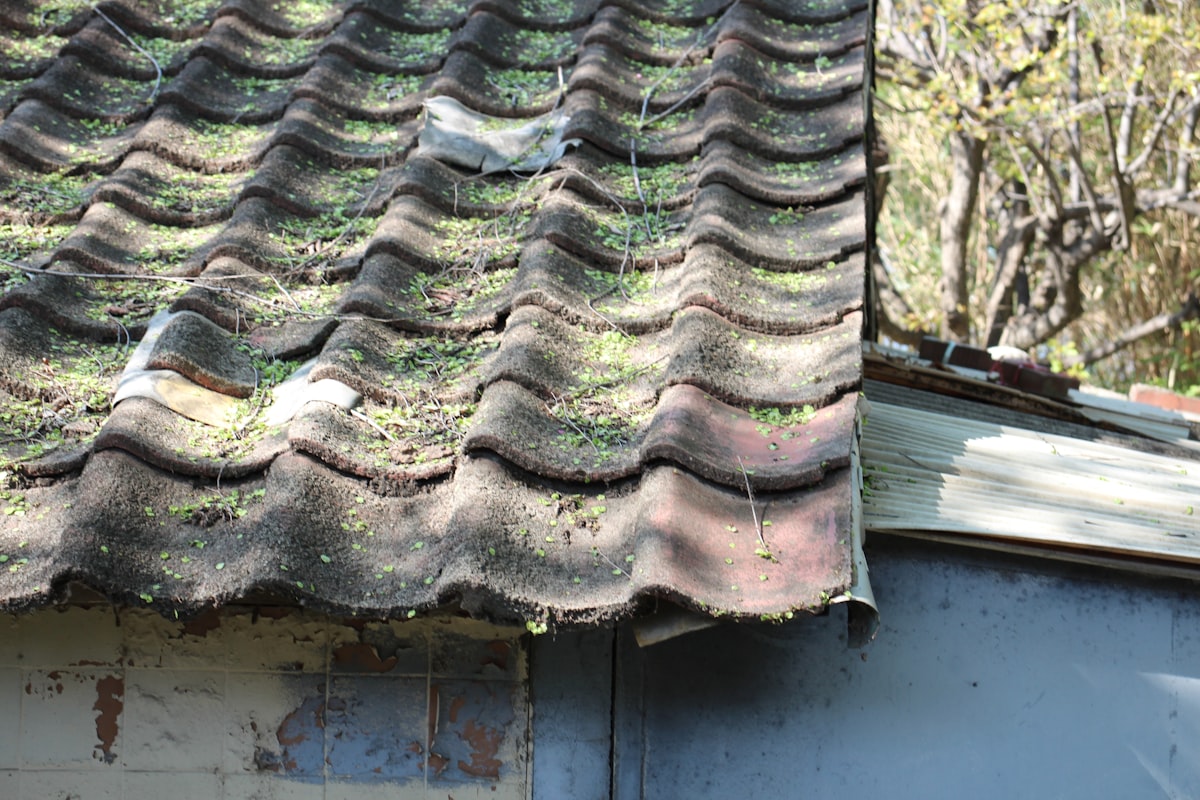
Missing shingles are obvious. Failed flashing is where the real damage happens. Check every roof penetration — plumbing vents, chimneys, skylights, exhaust fans — and every transition point where the roof meets a wall.
What to document:
- Flashing condition at all penetrations and transitions
- Evidence of prior repairs (roof cement slathered over flashing is a red flag, not a fix)
- Interior evidence — staining on ceilings and walls below roof penetrations
- Attic sheathing — look for daylight, staining, mold, and deteriorated decking
Don't miss: The chimney flashing. This is the single most common source of roof leaks, and it's the area most often obscured by multiple layers of roof cement that mask ongoing failure.
6. Main Sewer Line Problems
You can't see the main sewer line on a standard visual inspection. But you can see the warning signs:
- Multiple slow drains throughout the house (not just one fixture)
- Gurgling sounds when water drains
- Sewage odor in the basement or near cleanout access
- Unusual patches of lush green grass in the yard along the sewer line path
- Foundation settlement near the sewer line (broken sewer lines can erode supporting soil)
Recommendation: When you see these signs, recommend a sewer scope inspection. A camera inspection of the main line reveals root intrusion, bellies, offsets, and deteriorated pipe material that would otherwise be invisible until failure.
7. Evidence of Concealed Water Damage
Sellers cover up water damage. That's not cynicism — it's experience. Fresh paint on one basement wall when the rest is unpainted. New baseboards in one room. A strategically placed dehumidifier.
What to look for:
- Fresh paint or new drywall in isolated areas — why was just this section done?
- Rippled or bubbled drywall tape — indicates moisture behind the surface
- Musty odors — your nose is an inspection tool
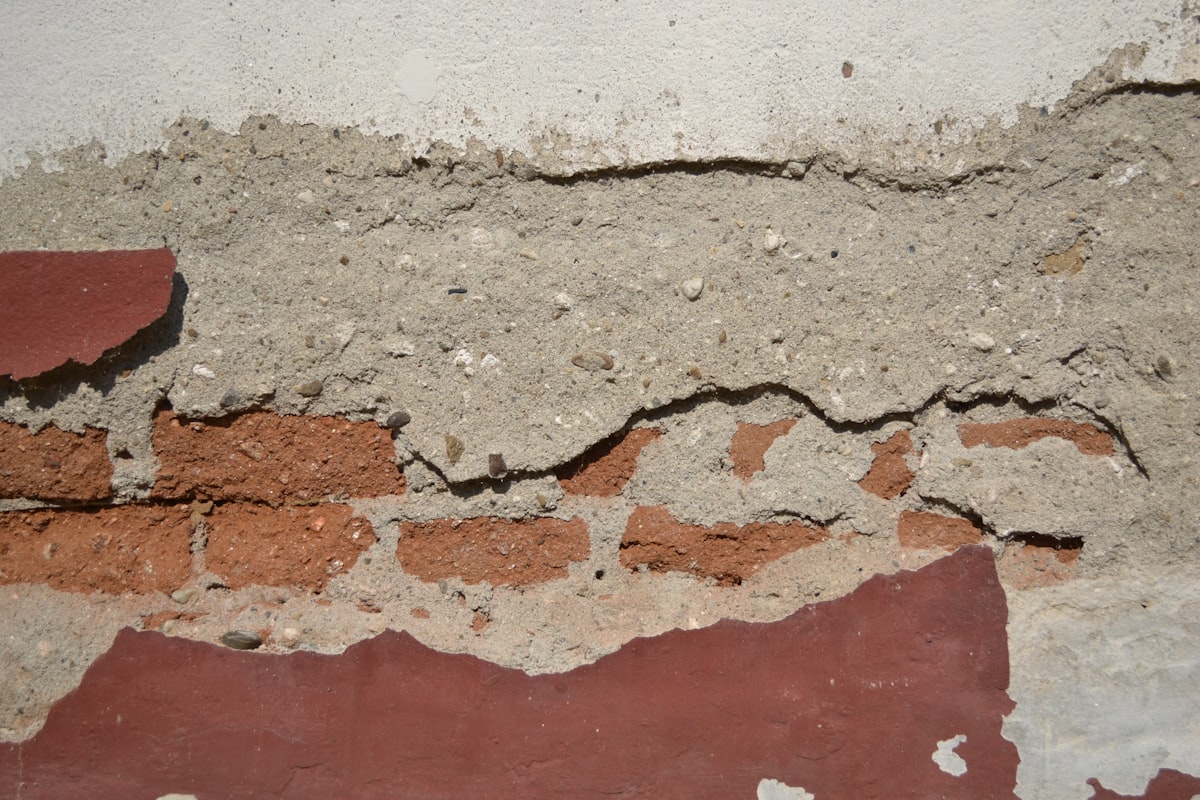
- Efflorescence on masonry — white mineral deposits indicate moisture migration through the wall
- Stained or warped flooring near exterior walls or under windows
Important: Document what you observe. Don't accuse the seller of concealment — that's not your role. "Observed evidence consistent with past moisture intrusion" is factual and defensible.
8. Improper Electrical Panel Conditions
Beyond double-tapped breakers, panels hide several serious red flags:
- Federal Pacific Electric (FPE) Stab-Lok panels — documented failure to trip under overload. Recommend evaluation by a licensed electrician. Every time.
- Zinsco/GTE Sylvania panels — similar tripping failure issues
- Missing knockouts — open holes in the panel allow contact with live components
- Oversized breakers for wire gauge — a 30-amp breaker on 14-gauge wire is a fire hazard
- Aluminum wiring on standard outlets — aluminum wiring (common 1965-1975) requires special connectors and devices. Standard copper-only connections overheat.
- Evidence of arcing or melted components — this is an immediate safety concern
9. HVAC Red Flags
Heating and cooling systems are expensive to replace, and clients care about them intensely. Key red flags:
- Cracked heat exchanger — on gas furnaces, a cracked heat exchanger can leak carbon monoxide into the living space. If you suspect a crack (rust flakes in the burner area, visible distortion of the exchanger, CO readings above normal), recommend immediate evaluation by an HVAC technician. Don't operate the unit.
- Age beyond expected service life — a 25-year-old furnace or a 20-year-old AC unit isn't a defect, but it's material information. Note the age and typical service life.
- No maintenance evidence — caked filters, dirty coils, and neglected condensate lines indicate deferred maintenance that shortens equipment life.
- Improper venting — gas appliances must vent properly. Look for disconnected vent pipes, improper slope, single-wall vent pipe through combustible materials, and shared venting issues.
10. Structural Modifications Without Permits
Cut or notched joists, removed load-bearing walls, and amateur structural modifications are everywhere. Look for:
- Sagging floors or ceilings — indicates overspanned or undersized structural members
- Cut or notched floor joists (especially in the middle third of the span where it matters most)
- Columns or posts sitting on the slab without proper footings
- Open headers above windows or doors without proper support
- A suspiciously open floor plan in an older home — someone may have removed a load-bearing wall
Documentation tip: Measure the sag if you can. "Approximately 1 inch of deflection observed over a 12-foot span in the living room floor" is much more useful than "floor seems uneven."
11. Inadequate Attic Ventilation and Insulation
This is the red flag that causes long-term damage rather than immediate failure:
- No soffit vents or blocked soffit vents — prevents intake airflow
- No ridge vent or gable vents — prevents exhaust
- Bathroom exhaust fans venting into the attic — pumps moisture directly into the attic space, causing mold and wood rot
- Insulation covering soffit vents — blocks the intake you need
- Frost or condensation on attic sheathing (cold-climate inspections) — indicates moisture problem
Key Takeaway
Check the underside of the roof sheathing in the attic carefully. Black staining or visible mold on the sheathing is a clear sign of chronic moisture issues — usually from inadequate ventilation, bathroom venting into the attic, or both.
12. Plumbing Supply and Drain Issues
Beyond the sewer line, watch for:
- Polybutylene supply piping (gray flexible pipe) — manufactured 1978-1995, known for premature failure at fittings and connections. Many insurers flag this.
- Galvanized steel drain and supply lines — corrode from the inside out. In a 60-year-old home, galvanized pipes are near or past their service life.
- Lead supply lines — still present in pre-1986 homes. You can identify them: they're dull gray, soft enough to scratch with a key, and won't attract a magnet.
- Active leaks at any visible fitting or valve — even small drips indicate failing connections
- Low water pressure throughout — may indicate corroded supply lines restricting flow
13. Missing or Inadequate GFCI Protection
Ground-fault circuit interrupter (GFCI) protection is required in wet locations: kitchens, bathrooms, garages, exteriors, unfinished basements, crawl spaces, and laundry areas. This has been a code requirement (progressively expanded) since 1971.
What to do: Test every GFCI outlet and every GFCI breaker. Use your tester. A GFCI that doesn't trip is worse than no GFCI — it provides a false sense of security.
Report it clearly: "GFCI protection is absent at [locations]. GFCI protection in wet locations is a safety upgrade that reduces the risk of electrical shock."
14. Chimney and Fireplace Defects
Chimneys are easy to underinspect because much of the critical condition is inside the flue where you can't see it. But external indicators tell you a lot:
- Cracked or deteriorated crown — allows water into the chimney structure
- Missing or damaged cap — allows water, animals, and debris into the flue
- Deteriorated mortar joints — especially on the exposed portion above the roofline
- Efflorescence on the exterior — moisture is moving through the masonry
- Gaps between the chimney and the house structure — indicates settling or foundation issues
- Creosote buildup visible from the firebox — fire hazard
Recommendation: If the home has a fireplace that the client intends to use, recommend a Level 2 chimney inspection by a CSIA-certified chimney sweep. This is especially important for any home where ownership is transferring.
15. Grading and Drainage Toward the Foundation
This is the red flag that causes more callbacks than almost anything else, because water damage from poor drainage is slow, progressive, and expensive.
- Ground sloping toward the foundation instead of away
- Downspouts discharging at the foundation instead of extending 4-6 feet away
- No gutters on a home that needs them
- Window wells without proper drainage
- Mulch or soil piled above the foundation line — invites moisture and wood-destroying insects
Why this matters for YOUR report: Grading and drainage issues are the most common cause of basement moisture problems. If you note the grading issue and the client ignores it, you're protected. If you miss it and the basement floods, you own it.
Documenting Red Flags Effectively
Finding these 15 red flags is only half the job. The other half is documenting them clearly enough that your client understands the significance and your report defends you if challenged.
For each red flag:
- Be specific about location — not "basement" but "northeast corner of the basement, below the kitchen"
- Describe what you observed — facts, not interpretations
- Explain why it matters — clients don't know why a horizontal crack is worse than a vertical one unless you tell them
- Recommend next steps — always hand off to the appropriate specialist
- Photograph everything — multiple angles, context shots, close-ups
The hardest part of documenting red flags isn't knowing what to write — it's having the time to write it thoroughly while you're in the field. When you're standing in a crawl space looking at a cracked foundation and deteriorated joists, the last thing you want to do is type a detailed description on a tablet.
That's exactly the problem ReportWalk solves. Describe what you're seeing out loud — the crack width, the location, the implications — and your report builds itself while your hands stay free to measure, photograph, and inspect. The more detail you capture in real time, the stronger your report, and the better protected you are.
Every red flag you document thoroughly is a callback you prevent and a claim you'll never face. Don't rush the documentation. It's the most important part of the job.