The Check-In Inventory Report: What Deposit Adjudicators Actually Read
A check-in inventory report records the condition and contents of a rented home on the day the tenant moves in. At the end of the tenancy, it's compared with the check-out report, and the difference is what the landlord can claim from the deposit. In England and Wales, deposits on assured shorthold tenancies are held in a government-approved protection scheme, and if the landlord and tenant can't agree, the scheme's adjudicator decides.
The adjudicator never visits the property. They decide from the paperwork. That makes the check-in inventory the single most important document in any deposit dispute, and the place most landlord claims are lost.
Who has to prove what
When a landlord claims from the deposit, the landlord has to show:
- what the condition was at the start
- what it was at the end
- that the difference is more than fair wear and tear
- that the amount claimed is reasonable
Point 1 is the check-in. If the check-in doesn't clearly show the condition at the start, the claim usually fails at the first step, however bad the property looks at the end.
What adjudicators look for in a check-in
Specific descriptions, not labels
"Carpet: good" tells an adjudicator almost nothing. "Carpet: beige, approx. 3 years old, clean, no stains, slight flattening at the doorway" can be compared with the check-out.
| Weak | Strong |
|---|---|
| Walls: good | Walls: magnolia emulsion, clean, two small filled holes above the radiator, scuff 10cm left of the door |
| Oven: clean | Oven: interior clean, racks clean, no carbon build-up, door glass clear |
| Sofa: fair | Sofa: grey fabric 3-seater, small pull on left arm, cushions firm, no stains |
Photos that match the words
- Dated photos, ideally embedded in or attached to the report, not on someone's phone
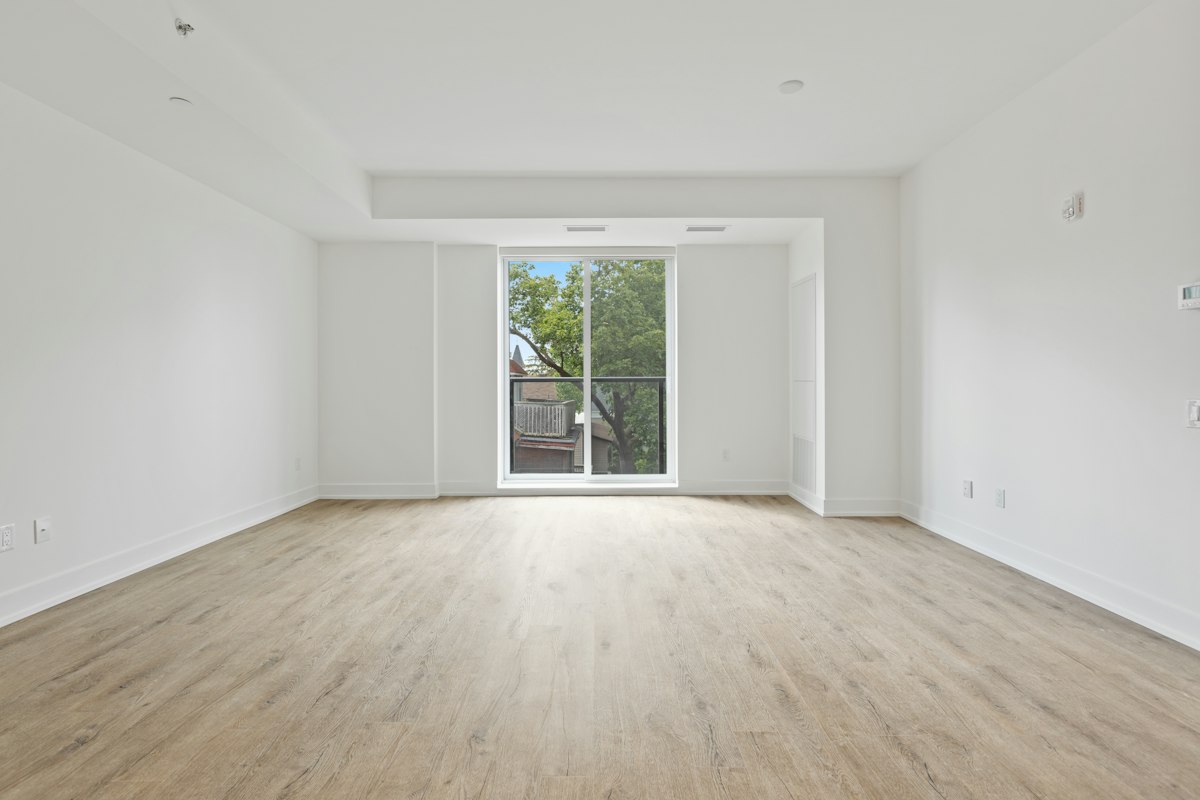
- Wide shots of each room so the layout is clear, plus close-ups of any existing marks
- Photos referenced from the description ("see photo 14"), so an adjudicator can match them
A photo of a stain at check-out means nothing if there's no photo of the same spot, clean, at check-in.
The tenant's chance to comment
A check-in the tenant has seen, been given time to comment on, and signed or acknowledged is far stronger than one they never received. Many agents give the tenant a period, often around seven days, to add comments, and keep a record of what was sent and when.
Ages and condition
Adjudicators allow for fair wear and tear and for betterment: a landlord can't charge a tenant for a brand-new carpet to replace a ten-year-old one. So the check-in should record:
- The age of carpets, decorations, appliances and furniture where known
- Their condition at the start, not just whether they're present
Cleanliness, recorded properly
Cleaning is one of the commonest deposit claims, and one of the easiest to lose. "Professionally cleaned" at check-in needs evidence: an invoice, or a clear description and photos of each room's cleanliness, including inside the oven, the fridge and the bathroom.
Fair wear and tear, as adjudicators see it
Fair wear and tear is the deterioration that happens from normal use over time. Adjudicators consider:
- The length of the tenancy: three years of family life wears more than six months
- The number and type of occupants
- The age and quality of the item at the start
Faded curtains, flattened carpet in walkways and light scuffs by light switches are usually wear and tear. Burns, large stains, holes and breakages usually aren't.
How check-ins lose claims
Generic condition words. "Good" and "fair" on every line.
No photos, or photos with no dates. Or photos held by the agent and never attached.
The tenant never received it. No email, no signature, no record.
Done weeks before the move-in. A check-in done before a final clean or decoration doesn't show the condition the tenant received.
Missing rooms and items. The garden, the loft, the shed, the meters, the keys and the smoke alarms are all places disputes start.
A check-in that still stands up at check-out
- Walk the property in the same order every time, room by room, top to bottom: ceiling, walls, windows, floor, fixtures, furniture, appliances
- Record meter readings and keys handed over
- Test smoke and carbon monoxide alarms on the day and note it
- Note anything not working at the start, so it's not blamed on the tenant later
- Send it to the tenant the same day, with a clear way to comment
- Use the same structure at check-out so the two reports line up line by line
Speak while you walk, and the document writes itself. An inventory clerk who says what they see as they go — "Living room. Walls magnolia, clean, two filled holes above the radiator, photo. Carpet beige, about three years old, clean, slight flattening at the door." — produces a report that's specific, photographed and timestamped without an evening of typing.
Key Takeaway
The free landlord inspection form walks a rental room by room with condition notes and photos, and fills in on a phone. In the ReportWalk app you can build a check-in template in your own format, and run the check-out from the same structure so the two line up. First walks free.
Related
- Move-in inspection checklist: the US version of the same document
- Rental property inspection between tenants: the turnover walk
- Landlord inspection form: routine visits during the tenancy
- Landlord gas safety record (CP12): the other document every UK landlord needs at the start
Frequently asked questions
What is a check-in inventory report? A detailed record of the contents and condition of a rented property on the day the tenant moves in, with descriptions and photos room by room, usually signed or acknowledged by the tenant. It's compared with the check-out report at the end of the tenancy.
Is a check-in inventory a legal requirement in the UK? It isn't generally required by law, but without one a landlord will usually struggle to prove any deposit deduction, because the landlord has to show the condition at the start of the tenancy.
Who pays for the check-in inventory? In England, since the Tenant Fees Act 2019, landlords and agents can't charge tenants for inventories or check-ins, so the landlord pays.
What do deposit adjudicators look for? Clear, specific descriptions of condition at check-in and check-out, dated photos that match those descriptions, evidence the tenant received the check-in and could comment on it, and claims that allow for fair wear and tear and the age of items.
How long does a tenant have to comment on the inventory? There's no fixed legal period. Many agents allow around seven days and keep a record of when the report was sent and any comments received.
What counts as fair wear and tear? Deterioration from normal use over the tenancy, judged against its length, the number of occupants, and the age and quality of items at the start. Light scuffs and faded fabrics usually count. Burns, stains and breakages usually don't.