4 Point Inspection: What It Is & How to Document One Fast
If you inspect homes in Florida, you know the 4 point inspection. It's the inspection insurance companies require before they'll write or renew a homeowner's policy — especially on homes older than 20-30 years. Some carriers require them on homes as young as 15 years old.
The 4 point inspection covers exactly four systems: roof, electrical, plumbing, and HVAC. That's it. No foundation, no windows, no appliances, no cosmetic issues. Insurance companies don't care if the kitchen is outdated. They care about the four systems most likely to cause a catastrophic claim.
This guide covers what you're actually evaluating in each system, how to document findings quickly without sacrificing accuracy, and the mistakes that get reports bounced back by underwriters.
Why 4 Point Inspections Exist
Florida's insurance market is unlike anywhere else in the country. Hurricane exposure, aging housing stock, and a history of catastrophic losses have made carriers extremely cautious. A 4 point inspection gives underwriters the information they need to assess risk on older homes.
The logic is straightforward:
- Roof failure during a hurricane is the number one cause of total loss claims
- Electrical system fires (especially from outdated panels like Federal Pacific) cause billions in claims annually
- Plumbing failures (polybutylene pipes, cast iron drain lines) cause water damage that can exceed the home's value
- HVAC failures lead to mold claims in Florida's humidity
If all four systems are in reasonable condition, the home is insurable. If one or more has significant issues, the carrier either declines coverage or requires repairs before binding.
Note
Most Florida insurance carriers require a 4 point inspection for homes 20+ years old. Some carriers (Citizens, Heritage, etc.) require them for homes as young as 15 years. The inspection is valid for 1-5 years depending on the carrier.
The Four Systems: What to Inspect and Document
1. Roofing
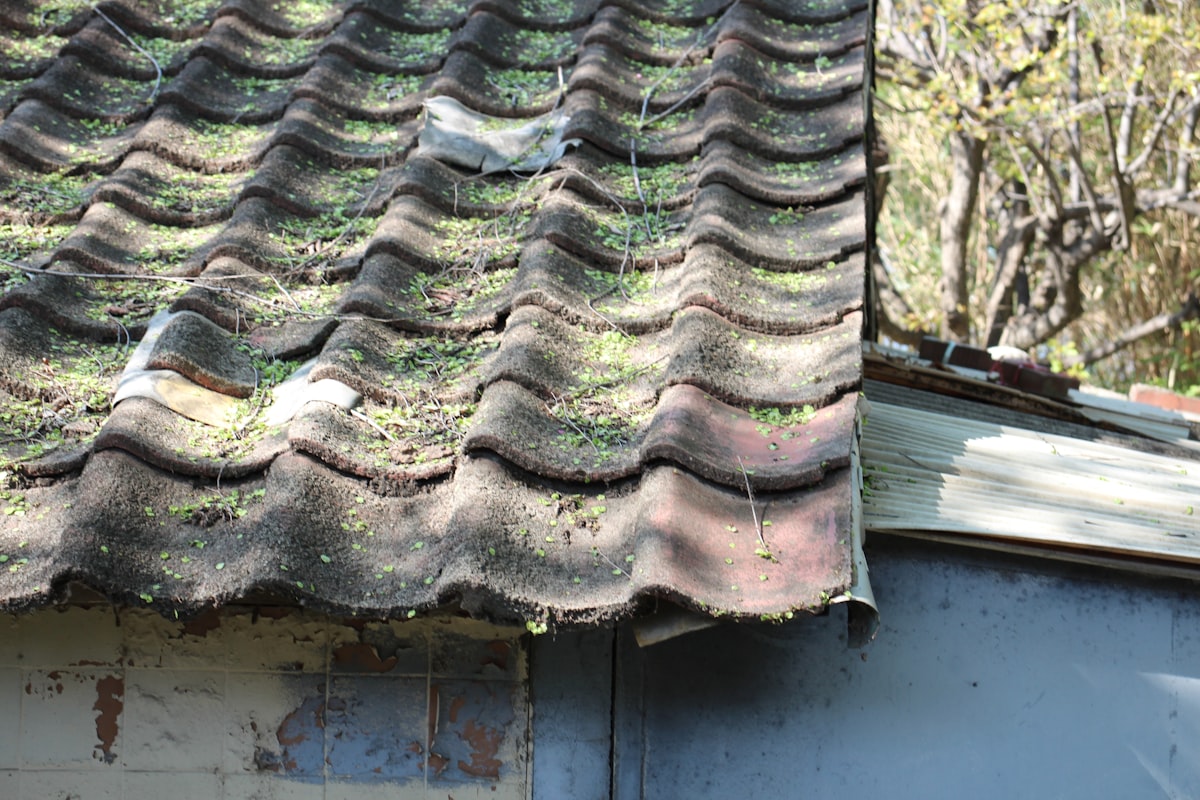
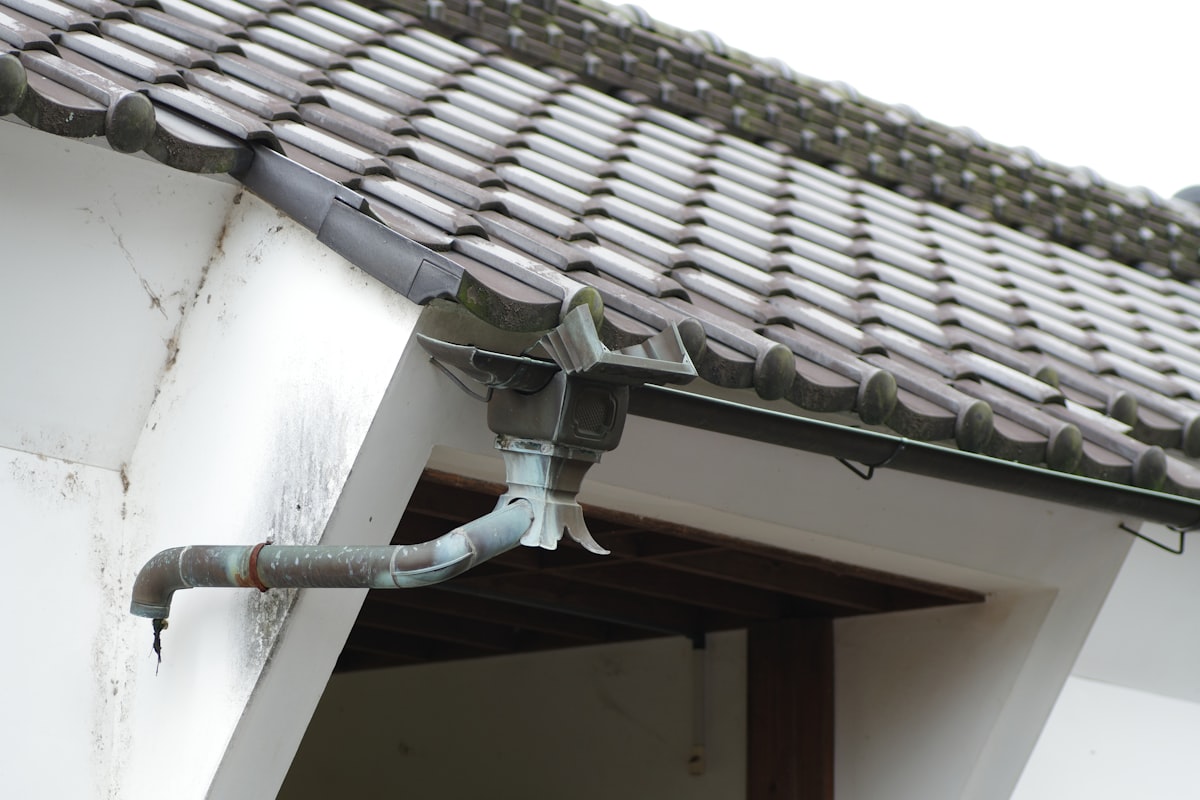
The roof is the most scrutinized section of any 4 point inspection in Florida. Underwriters want to know three things: what's the roof made of, how old is it, and what condition is it in?
Required documentation:
- Roof covering material: Shingle (3-tab vs. architectural), tile (concrete vs. clay), metal, flat/modified bitumen, built-up
- Estimated or permitted age: Check the permit history through the county property appraiser or building department. Don't guess — underwriters verify.
- Remaining useful life: Based on material type and observed condition
- Condition observations:
- Missing, cracked, or curling shingles
- Lifted or displaced tiles
- Rust on metal roofing
- Ponding on flat roofs
- Condition of flashing at penetrations (vents, pipes, chimneys)
- Evidence of prior repairs or patches
- Condition of soffit and fascia
Photos required:
- Overall roof from each elevation (minimum 4 photos)
- Close-ups of any damage or wear
- Roof penetrations and flashing
- Any visible repairs
What gets reports kicked back:
- Saying "roof appears to be in good condition" without documenting age or material
- Missing the permit date when it's publicly available
- Not photographing all four sides of the roof
- Failing to note prior insurance repairs (blue tarps, mismatched shingles from hurricane patches)
For a deeper dive into roof assessment, check our roofing inspection checklist.
2. Electrical
Insurance carriers want to know if the electrical system is going to start a fire. That means they're looking at the panel, the wiring type, and any known hazards.
Required documentation:
- Panel brand and type: This is critical. Federal Pacific (FPE Stab-Lok), Zinsco, and certain Challenger panels are automatic red flags for most carriers. Some will decline coverage outright.
- Panel amperage: 100A, 150A, 200A. Document the main breaker rating.
- Wiring type: Copper, aluminum, or a mix. If aluminum branch wiring is present (common in 1965-1975 Florida homes), document it explicitly. Some carriers require remediation (COPALUM crimps or AlumiConn connectors) before they'll bind.
- Breaker type: Standard, GFCI, AFCI. Note any double-tapped breakers.
- Grounding: Is the system properly grounded? Ground rods visible?
Photos required:
- Panel cover on (showing brand/label)
- Panel cover off (showing breakers, wiring, bus bars)
- Main breaker rating clearly visible
- Any deficiencies (double-taps, corrosion, improper wiring)
What gets reports kicked back:
- Not removing the panel cover. You cannot do a 4 point electrical inspection from the outside.
- Failing to identify FPE or Zinsco panels. If you write "Square D" and the underwriter sees a Stab-Lok in the photo, your credibility is gone.
- Not documenting aluminum wiring when it's present
- Missing sub-panels — if there's a sub-panel in the garage, it needs to be documented too
Our electrical inspection checklist covers panel assessment in detail.
3. Plumbing
Plumbing in Florida homes has two major risk factors: polybutylene supply lines and cast iron drain lines. Both are ticking time bombs in homes from certain eras.
Required documentation:
- Supply line material: Copper, CPVC, PEX, or polybutylene. Polybutylene (gray flexible pipe, common 1978-1995) is an automatic flag. Many carriers won't insure homes with active polybutylene supply lines.
- Drain line material: PVC, ABS, or cast iron. Cast iron drain lines in pre-1975 Florida homes are often severely deteriorated. Some carriers require a sewer scope for homes with original cast iron.
- Water heater: Type (tank vs. tankless), fuel source (electric vs. gas), age, capacity. Document the manufacture date from the serial number.
- Visible leaks: Any active leaks at fixtures, under sinks, at water heater, or visible on ceilings/walls
- Shut-off valves: Main shut-off location and condition
Photos required:
- Supply line material (visible under a sink or at water heater)
- Drain line material (visible in garage, crawl space, or utility room)
- Water heater data plate (showing model, serial, and manufacture date)
- Any visible leaks or water damage
What gets reports kicked back:
- Writing "copper" when the supply lines are CPVC. These are not the same, and underwriters know the difference.
- Not documenting the water heater age. "Appears to be in working condition" isn't enough.
- Missing polybutylene. If you don't check under sinks and at the water heater connections, you'll miss it.
- Ignoring cast iron drain lines in pre-1975 homes
For sewer line specifics, see our sewer scope inspection guide.
4. HVAC (Heating, Ventilation, and Air Conditioning)
In Florida, HVAC mostly means air conditioning. The underwriter wants to know the system works, how old it is, and whether it's properly maintained.
Required documentation:
- System type: Central air (split system vs. package unit), heat pump, window units
- Brand and model: From the data plate on the condenser and air handler
- Age: Decoded from the serial number. Most manufacturers encode the manufacture date in the first few digits.
- Fuel source: Electric (most Florida homes), gas, or dual fuel
- Condition observations:
- Condenser condition (clean coils, level pad, adequate clearance)
- Air handler condition (clean, no visible rust, drain line connected)
- Ductwork condition (if visible — insulated, sealed, no disconnections)
- Thermostat functioning
- Temperature differential at supply and return (should be 15-20°F)
Photos required:
- Condenser unit (showing data plate)
- Air handler (showing data plate)
- Thermostat
- Any deficiencies
What gets reports kicked back:
- Not documenting the system age. "Unit is operational" tells the underwriter nothing.
- Missing window units in rooms without central air — if two bedrooms have window units, that's relevant information.
- Not testing the system. Turn it on. Verify it cools. Measure the delta-T if you have the tools.
Our HVAC inspection checklist has the full breakdown.
How to Document a 4 Point Inspection Fast
A 4 point inspection should take 30-60 minutes on-site. The documentation, however, can take another 30-60 minutes if you're typing everything out afterward. Here's how to speed that up.
Capture Everything On-Site
The biggest time killer is going back to fill in details you forgot to document. Before you leave the property, verify you have:
- Roof material, age, and condition (with 4+ photos)
- Panel brand, amperage, and wiring type (with cover-off photo)
- Supply and drain line materials identified
- Water heater age documented from data plate
- HVAC brand, model, and age from data plates
- All four systems photographed per carrier requirements
Use a Standardized Form
Most carriers accept the Citizens 4-point inspection form or a similar standardized format. Using a consistent form means you're not reinventing the structure every time.
However, filling out a paper form or even a PDF on-site is clunky. You're juggling a clipboard, a flashlight, and a camera — sometimes while standing on a ladder or crawling under a house.
Voice-First Documentation
Here's what the fastest inspectors have figured out: you're already narrating findings as you inspect. You look at the panel and think, "200-amp Square D QO, copper branch circuits, no double-taps, properly grounded." Why not capture that narration directly?
Key Takeaway
With ReportWalk, you can speak your 4 point findings as you inspect each system. "Roof is architectural shingle, GAF Timberline, permitted 2018, six years old, good condition, no missing shingles, flashing intact." The app structures your voice notes into report format — no typing, no going back to your office to write up notes. Your 4 point documentation happens while you inspect, not after.
Batch Your Photo Organization
Don't label photos one at a time. Take all your photos during the inspection with a clear system:
- Roof photos first (walk the perimeter, then any ladder/drone shots)
- Electrical next (panel exterior, then interior, then any sub-panels)
- Plumbing (under sinks, water heater, visible drain lines)
- HVAC last (condenser, air handler, thermostat)
When they're in chronological order by system, organizing them into your report takes minutes instead of a half hour of scrolling through 80 unsorted photos.
Common 4 Point Inspection Mistakes
1. Using Vague Language
"Roof is in fair condition" means nothing to an underwriter. Be specific:
- ❌ "Roof is in fair condition"
- ✅ "Architectural shingle roof, estimated age 18 years based on permit #2008-12345. Granule loss observed on south-facing slope. Estimated 2-5 years remaining useful life."
2. Not Checking Permit History
County permit records are public and usually available online. If the county shows a roof permit in 2015, don't write "roof appears to be approximately 5-10 years old." Write "roof permitted 2015 per [County] building department records."
Underwriters check permits. If your estimate contradicts the permit record, your report loses credibility.
3. Missing Known Problem Components
Every Florida inspector should have these memorized:
- Federal Pacific / Zinsco panels → automatic flags
- Aluminum branch wiring → requires documentation of remediation
- Polybutylene supply lines → most carriers won't insure without replacement
- Cast iron drain lines in pre-1975 homes → deterioration risk
- 3-tab shingles past 15 years → near end of life in Florida climate
If you miss one of these and the underwriter catches it in your photos, you've lost that agent's referrals.
4. Insufficient Photos
When in doubt, take more photos. Underwriters who've never seen the property are making coverage decisions based on your photos. If your panel photo is blurry, they'll kick the report back. If you only show one side of the roof, they'll assume the other three sides are problematic.
Minimum photo count for a solid 4 point:
- Roof: 6-8 photos
- Electrical: 4-6 photos
- Plumbing: 4-6 photos
- HVAC: 4-6 photos
- Total: 20-25 photos minimum
5. Not Knowing Carrier-Specific Requirements
Different carriers want different things. Citizens has specific forms. Heritage wants specific photo requirements. Universal may want additional documentation for certain panel types.
Know your carriers. If you inspect in Florida, keep a cheat sheet of what each major carrier requires for their 4 point reports. It'll save you from re-inspections and resubmissions.
Pricing Your 4 Point Inspections
Most Florida inspectors charge $75-$175 for a standalone 4 point inspection. When bundled with a wind mitigation inspection, the combo typically runs $150-$250.
The key to profitability isn't the price — it's the speed. If you can complete a 4 point in 30 minutes on-site and 15 minutes of documentation, you're making $150-$350/hour. If documentation takes you an hour of typing, that rate drops significantly.
This is where efficiency in your documentation workflow pays dividends. Every minute you save on reporting is a minute you can spend on the next inspection.
The Bottom Line
The 4 point inspection is straightforward: four systems, specific documentation, clear photos. The inspectors who do them well are fast, thorough, and precise in their language. They know what underwriters want to see, they capture it on-site, and they deliver reports that don't get bounced back.
Get your documentation workflow tight. Know the problem components by heart. Take more photos than you think you need. And if you're still typing reports at your desk after every inspection, it's time to rethink your process.
Your clipboard and your keyboard shouldn't be the bottleneck. Your expertise is what matters — capture it efficiently and let the report build itself.