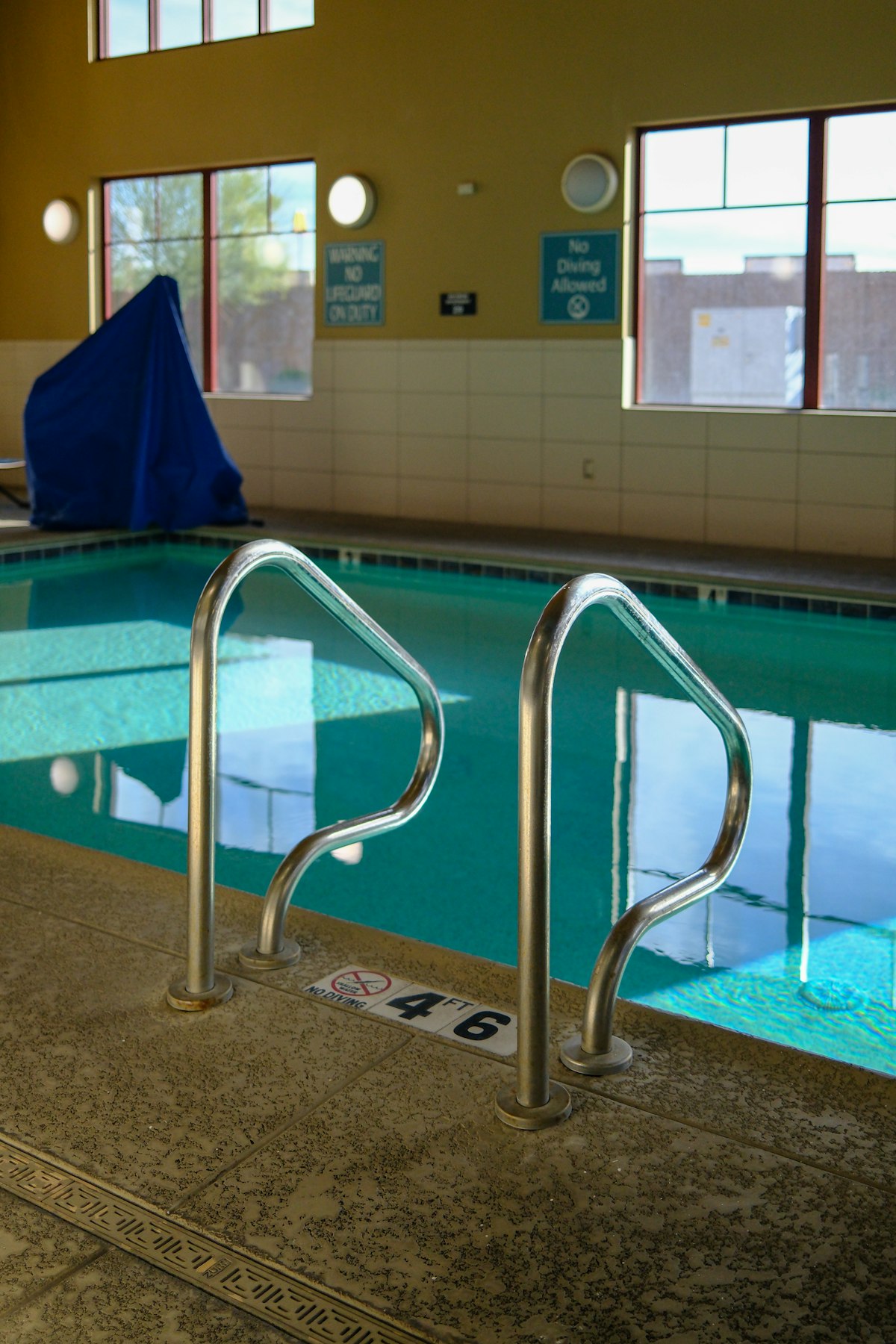
A pool inspection checklist is the difference between a thorough report and a liability waiting to happen. Whether you're inspecting residential pools, commercial aquatic facilities, or spa installations, having a structured checklist ensures nothing gets missed.
I've seen inspectors skip pool inspections entirely because they "don't know enough about pools." That's a mistake. Pool defects are some of the most costly issues a homeowner can face — and some of the most dangerous. A cracked shell, faulty GFCI, or missing barrier can turn a backyard amenity into a safety hazard.
This pool inspection checklist covers everything from structural integrity to code compliance, organized the way you'd actually walk through an inspection.
Pool Structure and Shell Condition
The pool shell is where most expensive problems hide. Start your inspection here before anything gets turned on.
What to Check
- Cracks and fractures — Hairline cracks in plaster or fiberglass are common and usually cosmetic. Structural cracks that go through the shell are a different story. Look for cracks wider than 1/16 inch or cracks that are actively leaking.
- Delamination and spalling — Run your hand across the pool surface. If plaster is coming off in sheets or you can feel rough, pitted areas, the surface needs resurfacing. Note the extent — isolated spots vs. widespread deterioration.
- Tile and coping condition — Check the waterline tile for loose, cracked, or missing pieces. Inspect coping stones around the pool edge for movement or separation from the deck.
- Pool deck condition — Look for settling, heaving, cracking, or trip hazards around the pool perimeter. Check that the deck slopes away from the pool (not toward it) for proper drainage.
- Expansion joints — Verify that expansion joints between the deck and coping are intact. Failed joints allow water intrusion that accelerates deck deterioration.
Key Takeaway
Document the pool surface type (plaster, pebble, fiberglass, vinyl liner) in your report. Each has different expected lifespans and common failure modes.
Pool Mechanical Systems
The pump, filter, and plumbing are the heart of any pool. Mechanical failures are the most common issues you'll find.
Pump and Motor
- Pump operation — Turn on the pump and listen. Grinding, screeching, or excessive vibration indicates bearing failure or impeller damage.
- Priming and flow — The pump should prime within 30-60 seconds. If it struggles to hold prime, check for air leaks on the suction side.
- Pump basket and lid — Inspect the strainer basket for cracks. Check the lid O-ring for wear — a common source of air leaks.
- Motor condition — Look for rust, corrosion, or water damage on the motor housing. Check that the motor is properly grounded.
Filtration System
- Filter type and condition — Identify whether it's sand, cartridge, or DE (diatomaceous earth). Each has different inspection points.
- Pressure gauge reading — Note the operating pressure. High pressure (8-10 PSI above clean baseline) indicates a dirty filter. No pressure could mean a broken gauge or pump issue.
- Multiport valve — For sand and DE filters, check the multiport valve for leaks at the handle and waste port.
- Filter tank — Look for cracks, corrosion, or signs of leaking around the tank, clamp band, and plumbing connections.
Plumbing
- Visible plumbing — Check all exposed PVC pipes for cracks, leaks, or UV damage. White PVC that's become brittle and yellowed needs replacement.
- Valves — Operate all accessible valves. They should turn freely without leaking from the stem.
- Return fittings — Check that all return jets are present, secure, and directing water properly.
- Skimmer condition — Inspect skimmer throats for cracks, especially at the bond beam connection. Check skimmer baskets and weir doors.
Pool Electrical Systems
Electrical defects around pools are life-threatening. This section requires careful attention.
GFCI Protection
- GFCI test — Every pool pump, light, and electrical device within 20 feet of the pool must be GFCI protected. Test every GFCI outlet — press the test button, verify it trips, then reset.
- Equipment bonding — Per NEC Article 680, all metal components within 5 feet of the pool must be bonded. This includes the pump, heater, rails, ladders, light niches, and reinforcing steel in the deck.
- Grounding — Verify that all equipment has proper equipment grounding conductors. Look for green or bare copper wires at each piece of equipment.
Note
Pool electrical is governed by NEC Article 680. If you find bonding or GFCI issues, recommend evaluation by a licensed electrician who specializes in pool electrical systems.
Pool Lighting
- Light operation — Turn on all pool and spa lights. Note any that are out, flickering, or have water inside the lens.
- Light niche condition — Check for cracks around the light niche in the pool wall. Water behind the niche can cause electrical hazards.
- Cord length — Pool lights should have enough cord stored in the niche to be pulled up to the deck surface for bulb changes without disconnecting the conduit.
Pool Safety Features
Safety barriers and devices are often the most important part of your pool inspection report, especially for real estate transactions.
Barriers and Fencing
- Fence height — Most jurisdictions require a minimum 48-inch barrier around the pool. Measure in multiple spots.
- Gate hardware — Gates must be self-closing and self-latching. The latch should be on the pool side, at least 54 inches from the ground (or have a different compliant configuration). Test every gate.
- Fence gaps — No gap should allow a 4-inch sphere to pass through. Check the bottom of the fence — no gap greater than 2 inches to the ground.
- Direct house access — If the house provides direct access to the pool area, check for door alarms or self-closing mechanisms.
Safety Equipment
- Drain covers — All main drains must have VGB-compliant anti-entrapment covers. Check the manufacture date stamped on the cover — they have a limited lifespan.
- Safety rope and floats — For pools with varying depths, a safety rope should separate the shallow and deep ends.
- Life-saving equipment — Note whether a life ring, shepherd's hook, or other rescue equipment is present. This is especially important for commercial pools.
Pool Heater Inspection
Pool heaters add complexity to the inspection. Whether gas or electric, document condition and operation.
- Heater type — Gas (natural gas or propane), electric heat pump, or solar. Note the manufacturer and model.
- Ignition and operation — For gas heaters, turn on and verify ignition. Listen for normal combustion sounds. Check for delayed ignition (a "whomp" sound is dangerous).
- Heat exchanger — Look through the burner access panel for signs of soot, corrosion, or scale buildup on the heat exchanger.
- Exhaust — Check the exhaust vent for proper draft and clearance from combustible materials.
- Temperature — If you can, measure the water temperature at the heater output. Most pools are set between 78-82°F.
Water Chemistry (If Applicable)
Some inspection standards include basic water testing. Even if it's not required in your jurisdiction, it's a value-add for clients.
- pH level — Ideal range is 7.2-7.8. Low pH is corrosive to equipment and surfaces. High pH reduces chlorine effectiveness.
- Chlorine/sanitizer level — Free chlorine should be 1-3 ppm for residential pools.
- Water clarity — If you can't see the main drain from the pool deck, note visibility as impaired.
- Water level — Should be at the midpoint of the skimmer opening. Too low risks pump damage. Too high means the skimmer can't do its job.
Spa and Hot Tub Additions
If the property includes a spa or hot tub, apply these additional checks:
- Jets and air blowers — Turn on and verify all jets are operational. Check for leaks at jet fittings.
- Temperature controls — Spas should have a maximum temperature of 104°F with a clearly marked thermometer.
- Emergency shutoff — There should be an accessible emergency shutoff switch within sight of the spa but at least 5 feet away.
- Cover condition — Check the spa cover for waterlogging, tears, or broken straps. A waterlogged cover is a safety issue (extremely heavy) and an energy waste.
Common Red Flags
After hundreds of pool inspections, these are the issues that come up most often:
- Missing or non-compliant drain covers — This is a safety emergency. Anti-entrapment drain covers save lives.
- No GFCI protection — Older pools frequently lack proper GFCI protection. This is a non-negotiable safety issue.
- Fence gates that don't self-close — Worn-out gate hardware is cheap to fix but critical for child safety.
- Pump running dry or losing prime — Usually indicates a suction leak that's also introducing air into the system, reducing filtration effectiveness.
- Cracked pool deck settling toward the pool — Creates a trip hazard and directs surface water (and debris) into the pool.
Documenting Your Pool Inspection
A thorough pool inspection generates a lot of data. The fastest way to document findings is to dictate as you walk the inspection rather than taking notes and typing up the report later.
Tools like ReportWalk let you speak your findings as you inspect — describing crack locations, noting equipment model numbers, and flagging safety issues — then automatically generate a formatted report. For pool inspections with dozens of checkpoints across structure, mechanical, electrical, and safety systems, voice-first documentation cuts your report time significantly.
Final Thoughts
Pool inspections require a systematic approach because the systems are interconnected — a plumbing leak affects water chemistry, electrical bonding protects against structural ground faults, and barrier compliance is only as good as its weakest gate.
Use this pool inspection checklist as your foundation, but always check your local jurisdiction's requirements. Pool codes vary significantly by state and municipality, and what's acceptable in Arizona may not pass inspection in Florida.
The key is consistency. Run the same checklist every time, document everything, and when in doubt, recommend specialist evaluation. Your job is to identify and report — not to fix.