Moisture Intrusion Inspection: What to Look For + How to Document It Fast
Moisture intrusion is one of the most common root causes behind expensive home issues: rot, mold-like growth, foundation movement, peeling paint, and damaged finishes.
It’s also one of the easiest things to create confusion in your report:
- Clients hear “water” and assume “catastrophic.”
- Sellers hear “moisture” and assume you’re accusing them of hiding something.
- Agents hear “possible mold” and want you to say less.
A good moisture intrusion inspection is mostly pattern recognition plus clean documentation: where the water likely comes from, what evidence you observed, what you tested (and what you didn’t), and what you recommend next.
Note
This is general inspection guidance, not legal advice. Follow your SOP and your contract limitations. Many moisture problems require specialist evaluation (roofing, drainage, plumbing, building envelope, mold/IAQ).
The Moisture Intrusion Mindset: Trace Water Backward
The fastest way to work is to ask two questions:
- Where could water be coming from? (exterior, plumbing, condensation)
- Where would it show up first? (staining patterns, material swelling, elevated meter readings)
Don’t start inside and guess. Start outside, then confirm inside.
Step 1: Exterior Sources (The Usual Suspects)
Most moisture intrusion starts with basic water management failures.
Roof drainage
- Missing/damaged gutters
- Downspouts discharging at foundation
- Splashback stains at siding/foundation
- Overflow marks at fascia (gutter clogs)
What to photograph:
- Downspout termination (show distance to foundation)
- Staining at fascia/soffit
- Erosion channels below downspouts
Grading and soil contact
- Negative slope toward structure
- Soil or mulch too high against siding
- Landscaping beds holding water against wall
What to photograph:
- Grade line relative to siding
- Soil-to-siding contact
- Standing water or evidence of ponding
Penetrations and openings
- Poorly sealed hose bibs, electrical penetrations, vents
- Window/door flashing issues
- Cracked caulk at trim
What to photograph:
- Wide shot of wall section
- Close-up of failed sealant/opening
Cladding and wall systems
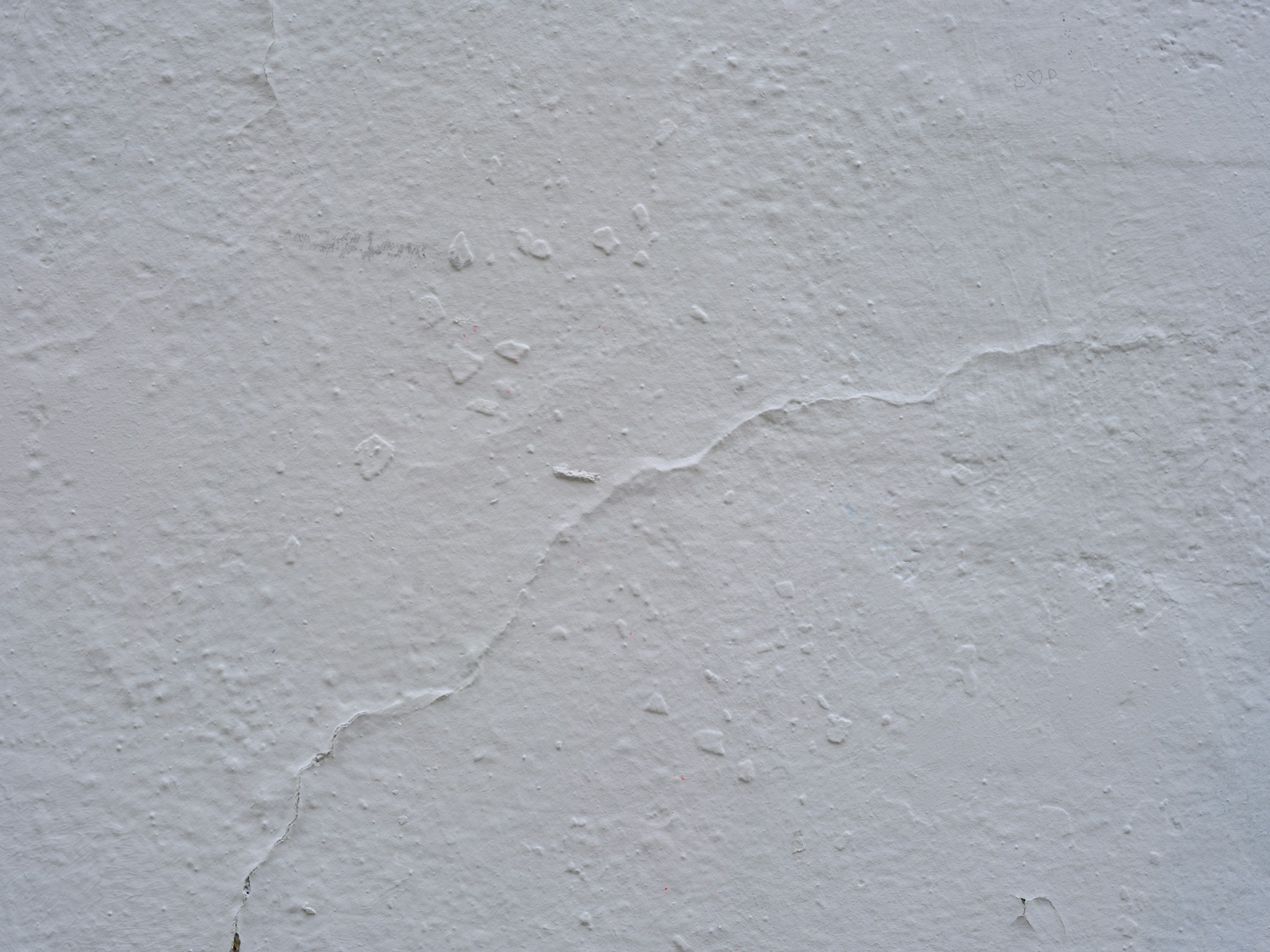
- Cracked stucco (especially at corners/openings)
- Missing kickout flashing at roof-to-wall intersections
- Siding damage (warped panels, missing end seals)
Key Takeaway
If you only remember one exterior moisture rule: roof-to-wall intersections and window/door openings are where water gets in.
Step 2: Interior Clues (Where Moisture Shows Up)
Staining patterns that matter
- Ceiling stains under bathrooms or roof valleys
- Wall staining at corners or below windows
- Baseboard swelling and paint bubbling
Material changes
- Cupped flooring
- Soft drywall at bottom edges
- Spongy trim or door jambs
Odor and humidity
- Persistent musty odor
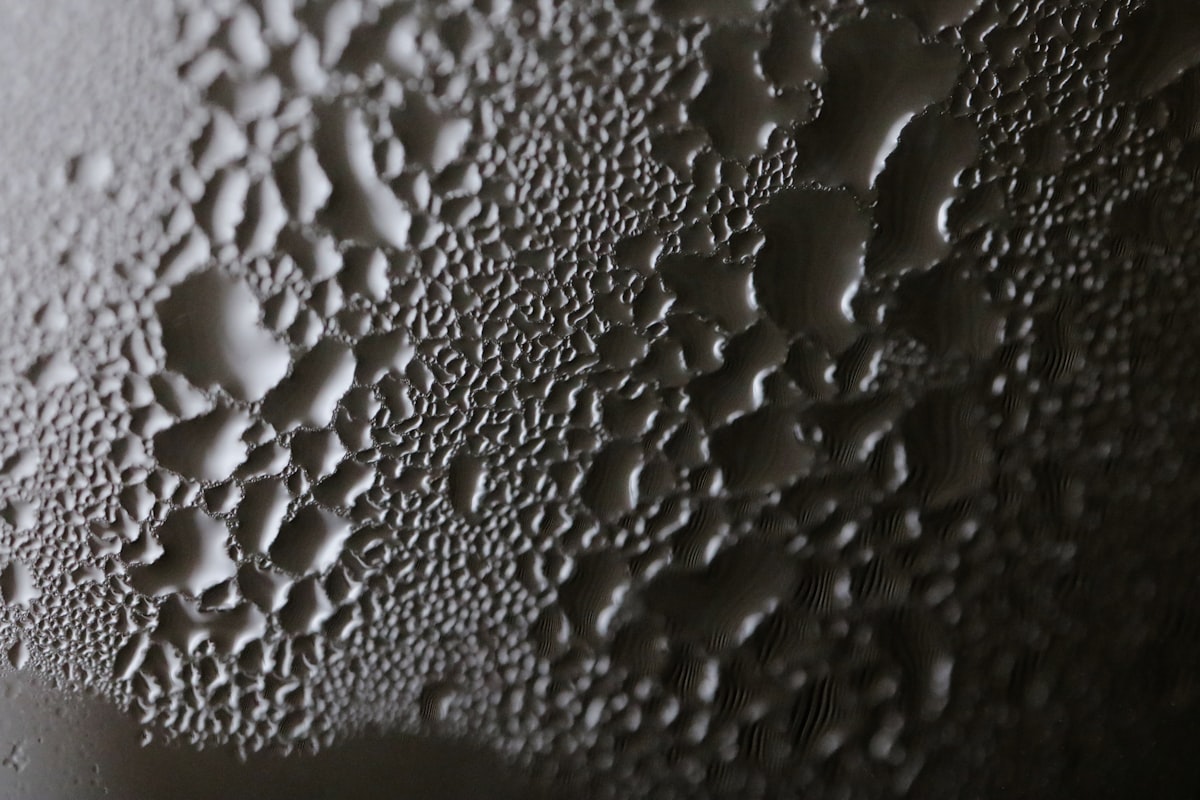
- Condensation on windows (could be ventilation/humidity)
What to photograph:
- Context photo showing room and location
- Close-up of stain/damage
- If possible, a measurement reference (tape/ruler)
Step 3: Moisture Meter Use (Non-Invasive, Defensible)
A moisture meter doesn’t “prove” a leak. It provides supporting data.
Best practices
- Take a baseline on a known-dry area nearby
- Record readings at the edge of the damage and the center
- If using pinless mode, note the depth setting (if your tool supports it)
How to report readings
Use comparative language:
- “Elevated moisture meter readings observed at ____ compared to adjacent dry reference readings.”
Avoid overreaching:
- Don’t label “mold” from a reading.
- Don’t claim “active leak” unless you see active leakage.
Important
Moisture meters can be fooled by tile, metal lath, foil-backed insulation, and some wall assemblies. If readings are inconsistent, document that too.
Step 4: Condensation vs. Intrusion vs. Plumbing
A simple triage:
Likely intrusion
- Staining worsens after rain
- Damage located at exterior walls, windows, roof intersections
- Efflorescence on masonry/foundation walls
Likely plumbing
- Staining under bathrooms/kitchens
- Damage near supply lines or drains
- Wet cabinets under sinks
Likely condensation
- Surface moisture on windows and cold surfaces
- High indoor humidity, poor ventilation
- Attic condensation staining patterns (ventilation/bath fan termination issues)
Step 5: What to Put in the Report (Templates)
Your moisture narrative should include:
- Location
- Observed condition
- Evidence (photos, staining, swelling, readings)
- Limitations (no invasive testing, stored items, no rain at time of inspection)
- Recommendation (repair/evaluate/monitor)
Template: suspected intrusion at window
“Staining and material swelling observed at the interior wall below the northwest living room window. Conditions are consistent with moisture intrusion. Moisture meter readings were elevated relative to adjacent reference areas. Recommend evaluation and repair by a qualified contractor (window/flashing/building envelope) and correction of any damaged materials after the source is addressed.”
Template: unknown source moisture staining
“Water staining observed at the ceiling in the second-floor hallway. No active leakage was observed at the time of inspection. The exact source could not be determined during a visual inspection. Recommend further evaluation and repairs by a qualified contractor, and monitor for recurrence during/after rain events.”
Template: active plumbing leak
“Active leakage observed at the P-trap connection under the kitchen sink at the time of inspection. Recommend repair by a qualified plumber and re-check for concealed damage after repairs.”
Fast Photo Documentation Workflow
For each moisture issue:
- Context photo (room + location)
- Close-up of damage
- Moisture meter reading in frame (if used)
- Exterior likely source (downspout, flashing, window trim) if applicable
When to Recommend a Specialist
Recommend specialist evaluation when:
- Repeated stains or multiple areas affected
- Structural members show rot/softness
- Crawlspace/attic shows widespread moisture evidence
- Client wants certainty about mold/IAQ
Where ReportWalk Helps
Moisture findings are easy to under-describe (“stain noted”) or over-describe (“serious leak”). ReportWalk helps you dictate a clean, defensible observation:
- Location → condition → evidence → implication → recommendation
- Attach photos and meter readings
- Keep language consistent across the report
Quick Field Checklist (Copy/Paste)
- Exterior: gutters/downspouts discharge away from foundation
- Exterior: grading slopes away; no soil contact with siding
- Exterior: roof-to-wall intersections (kickout flashing)
- Exterior: windows/doors/penetrations sealed and flashed
- Interior: ceiling/wall/baseboard staining patterns photographed
- Meter: baseline + comparative readings documented
- Determine likely category: intrusion vs plumbing vs condensation
- Report: location + evidence + limitations + recommendation