How to Become a Home Inspector in Massachusetts: Complete 2026 Guide
If you're wondering how to become a home inspector in Massachusetts, you're looking at one of the most rewarding — and demanding — inspection markets in the country. Massachusetts requires licensure through the Board of Registration of Home Inspectors, and the path includes pre-license education, a national exam, supervised inspections, insurance, and a state application. But the real education begins when you step inside your first 1890s triple-decker in Somerville and realize the textbook didn't cover half of what you're seeing.
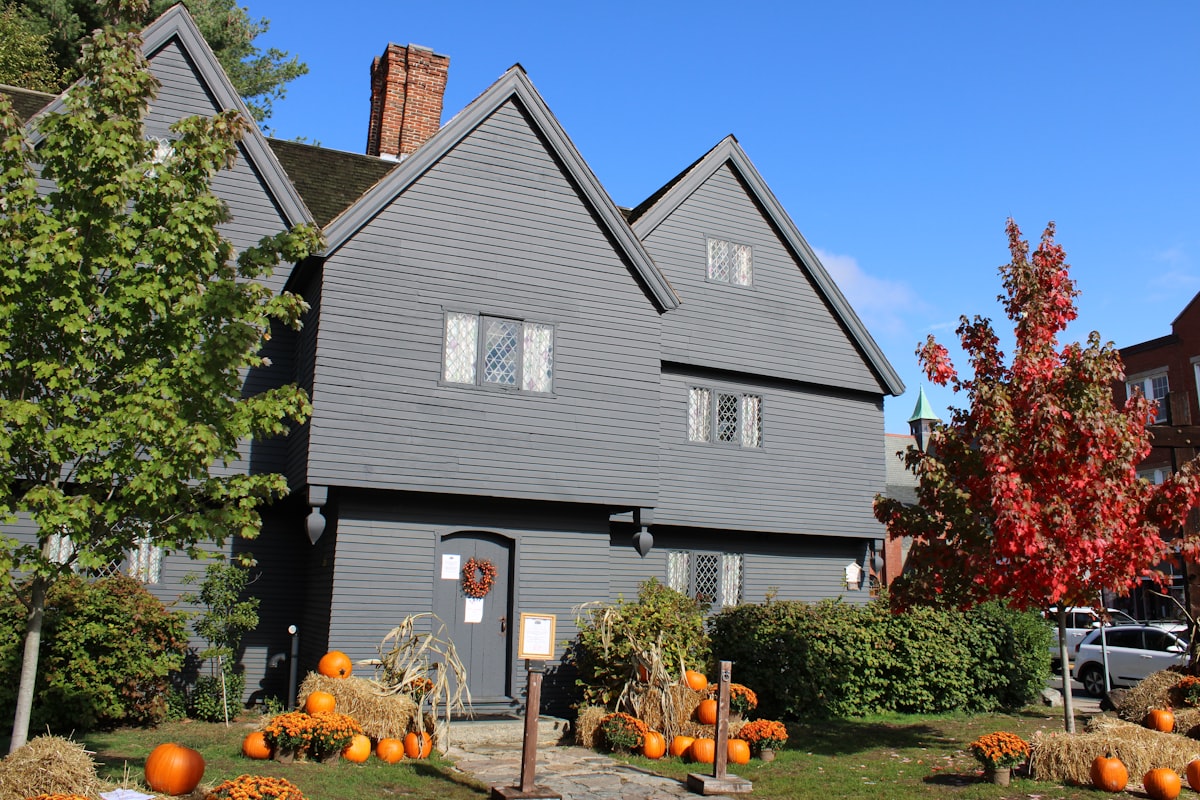
Massachusetts housing stock is old. Really old. The median home age in the state is over 50 years, and in cities like Boston, Cambridge, Salem, and Worcester, you'll regularly inspect homes built before 1920. That means knob-and-tube wiring, lead paint on every surface, oil-fired heating systems, uninsulated balloon-frame walls, and basements that have been collecting water since the Eisenhower administration. Add ice dams, nor'easters, and a regulatory environment that takes consumer protection seriously, and you've got a state where sharp inspectors thrive and careless ones get burned fast.
This guide covers the full licensing process, costs, timeline, and the Massachusetts-specific challenges that'll define your career in the field.
Why Massachusetts Is a Strong Market for Home Inspectors
Massachusetts is the 16th most populous state with roughly 7 million residents packed into one of the smallest geographic footprints in the country. That density translates to steady transaction volume — the state sees approximately 80,000–90,000 home sales annually, with the Greater Boston metro driving a huge share.
Note
Massachusetts median home price sits around $570,000 statewide, with the Greater Boston metro exceeding $700,000. Inspection fees typically range from $400–$600 for a standard single-family home, with Boston and the western suburbs commanding premium rates. Multi-family inspections (two- and three-family homes are extremely common here) often run $600–$900+.
The real estate market here is consistently competitive. Inventory is chronically tight, which means homes move fast and buyers want inspections done quickly and thoroughly. That's good for inspectors who can deliver quality reports on a tight turnaround.
Multi-family properties — duplexes and triple-deckers — are a Massachusetts staple, especially in cities. If you can handle multi-family inspections confidently, you'll have a significant edge over competitors who only do single-family work.
Add-on services like radon testing, lead paint inspections, and sewer scope inspections are in high demand here. Radon levels in Massachusetts tend to be elevated, and the state's lead paint laws are among the strictest in the nation.
Step 1: Understand Massachusetts Licensing Requirements
Massachusetts regulates home inspectors through the Board of Registration of Home Inspectors, which operates under the Division of Professional Licensure. The state has required licensure since 1999 under 266 CMR (formerly HI-12845 regulations), and enforcement is active — performing inspections without a license carries real consequences.
Licensing Requirements at a Glance
| Requirement | Details |
|---|---|
| Pre-license education | 75 hours minimum (approved provider) |
| Exam | National Home Inspector Examination (NHIE) |
| Supervised inspections | 50 ride-along inspections with a licensed MA inspector |
| Insurance | E&O insurance required ($250,000 minimum) |
| Application fee | $300 (initial license, 2-year term) |
| License duration | 2 years |
| Continuing education | 30 hours per renewal cycle |
The Massachusetts Path: Education + Rides + Exam + Insurance + Application
Massachusetts has one of the more demanding licensing frameworks in the country. Four pillars:
- 75 hours of approved pre-license education covering all major residential systems
- 50 supervised inspections — ride-alongs with a licensed Massachusetts home inspector (this is one of the highest ride-along requirements in the country)
- Passing the NHIE (National Home Inspector Examination)
- E&O insurance — errors and omissions coverage at $250,000 minimum is required before licensure
Compared to Tennessee (90 hours, 25 rides — see our Tennessee guide) or Florida (120 hours, no rides — see our Florida guide), Massachusetts balances fewer classroom hours with significantly more field experience. Those 50 supervised inspections mean you'll have seen a wide variety of properties before you go solo.
Step 2: Complete Pre-License Education (75 Hours)
The 75-hour pre-license education program must come from a provider approved by the Massachusetts Board. The curriculum covers every major residential system:
- Structural components — foundations, framing, load-bearing walls, floor and roof systems
- Exterior — siding, trim, flashing, grading, drainage, walkways
- Roofing — coverings, flashings, gutters, chimneys, skylights, ventilation
- Plumbing — supply lines, DWV systems, water heaters, fixtures, fuel storage
- Electrical — service entrance, panels, branch circuits, GFCI/AFCI, grounding
- HVAC — heating, cooling, ductwork, heat pumps, thermostats
- Interior — walls, ceilings, floors, stairs, railings, doors, windows
- Insulation and ventilation — attic insulation, vapor barriers, ventilation requirements
- Fireplaces and chimneys — clearances, dampers, hearth extensions, liners
Our home inspection checklist pairs well with your coursework as a study companion.
Approved Education Providers
Several organizations offer Massachusetts-approved education:
- AHIT (American Home Inspectors Training) — Online and in-person. Expect $500–$1,200 depending on the package.
- InterNACHI — Online coursework through membership ($49/month or $499/year). Confirm Massachusetts board approval for specific courses.
- Massachusetts-specific local schools — Several community colleges and trade schools in the Boston metro area offer approved programs. Check the Board's website for the current approved provider list.
- Professional Home Inspection Institute (PHII) — Online self-paced option.
Key Takeaway
Budget $600–$1,500 for education depending on the provider and format. In-person courses tend to cost more but give you networking opportunities with working inspectors who might supervise your ride-alongs — which is worth its weight in gold in Massachusetts.
Step 3: Complete 50 Supervised Inspections
This is where Massachusetts separates itself. Fifty supervised inspections is one of the highest requirements in the nation, and for good reason — the housing stock here is complex enough that classroom theory alone won't prepare you.
How Supervised Inspections Work
- Each ride-along must be conducted with a licensed Massachusetts home inspector who has held their license for at least 3 years
- The supervising inspector must sign off on each inspection
- You should be progressively taking on more responsibility — starting as an observer, eventually conducting portions of the inspection under supervision
- Keep detailed logs including dates, addresses, supervising inspector license numbers, and property types inspected
Finding a Supervising Inspector
This is often the hardest part. Options:
- Ask your education provider — Many have networks of inspectors who take on trainees
- Local ASHI or InterNACHI chapters — The New England ASHI chapter is active and a good resource
- Cold outreach — Contact established inspection companies in your area. Some will take you on as an apprentice, and some may offer a paid position during the training period
- Offer value — Help carry equipment, take photos, handle scheduling. Make it worth their time
Note
Plan for 50 ride-alongs to take 3–6 months depending on your availability and your mentor's inspection volume. A busy inspector doing 4–5 inspections per week can get you through in about 3 months if you ride along for most of them.
Step 4: Pass the NHIE
The National Home Inspector Examination is the standard exam accepted by Massachusetts and most other states. Key details:
- 200 multiple-choice questions (175 scored, 25 field-test questions)
- Time limit: 4 hours
- Passing score: State-dependent scaled score (typically around 500 on an 800-point scale)
- Cost: $225 per attempt
- Testing centers: PSI/Pearson VUE locations throughout Massachusetts
- Pass rate: Approximately 50–60% on the first attempt nationally
The exam covers three domains: property and building inspection/site review (85%), analysis of findings and report writing (8%), and professional responsibilities (7%).
Study resources:
- Your pre-license course materials
- The NHIE Candidate Handbook (free PDF at examinations.org)
- Practice exams from InterNACHI, Home Inspector Exam Prep, and Carson Dunlop
- Our guides on electrical inspections, HVAC systems, and roofing cover key exam topics in depth
Step 5: Secure E&O Insurance
Massachusetts requires errors and omissions insurance with minimum coverage of $250,000 — higher than many states. This protects you and your clients if a significant defect is missed.
- Typical cost: $1,200–$2,500 per year for a new inspector
- Major providers: OREP (Organization of Real Estate Professionals), InspectorPro Insurance, Allen Insurance Group
- General liability: Not required by the state but strongly recommended. Most E&O policies can be bundled with GL coverage.
See our home inspector insurance guide for a deeper dive on coverage types and cost comparisons.
Step 6: Apply for Your License
Once you've completed education, ride-alongs, passed the NHIE, and secured insurance, submit your application to the Board of Registration of Home Inspectors:
- Complete the application form (available on the Board's website)
- Submit proof of 75 hours of approved education
- Submit proof of 50 supervised inspections (signed logs)
- Submit your NHIE passing score
- Submit proof of E&O insurance ($250,000 minimum)
- Pay the $300 application fee (covers a 2-year license)
- Pass a CORI (Criminal Offender Record Information) background check
Processing time is typically 4–6 weeks. Once approved, you'll receive your license number and can begin inspecting independently.
Total Cost and Timeline Breakdown
| Item | Cost | Time |
|---|---|---|
| Pre-license education (75 hours) | $600–$1,500 | 2–6 weeks |
| Supervised inspections (50) | $0–$500 (travel costs) | 3–6 months |
| NHIE exam | $225 | 1 day (prep: 2–4 weeks) |
| E&O insurance | $1,200–$2,500/year | 1–2 days |
| License application | $300 | 4–6 weeks processing |
| Total | $2,325–$5,025 | 5–9 months |
Note
Massachusetts is a 5–9 month commitment from start to licensed inspector. The 50 ride-along requirement is the biggest time investment. Plan accordingly and start looking for a supervising inspector while you're still in your education coursework.
Continuing Education Requirements
Massachusetts requires 30 hours of continuing education per 2-year renewal cycle. Requirements include:
- Courses must be approved by the Board
- Topics should cover updates to building codes, new inspection technologies, and specialized systems
- InterNACHI and ASHI chapters offer approved CE courses regularly
- Online options are available through most approved providers
- Renewal fee is $300 for each 2-year cycle
Staying current on continuing education is especially important in Massachusetts, where building codes and energy efficiency requirements are updated frequently. The state adopted the stretch energy code in many municipalities, which affects insulation, HVAC, and window requirements in newer construction.
Massachusetts-Specific Field Challenges
This is where the rubber meets the road. Massachusetts housing stock has characteristics you won't encounter in Sun Belt states, and they'll define your daily work.
Old Housing Stock — Very Old
Massachusetts has some of the oldest housing stock in the country. In Boston, Cambridge, Brookline, Newton, and the North Shore towns, homes from the 1800s and early 1900s are the norm, not the exception. You need to be comfortable with:
- Rubble stone foundations — Common in pre-1920 homes. Check for deterioration, water infiltration, and structural movement.
- Balloon framing — No fire stops between floors. Document the framing type and note the fire risk.
- Plaster-and-lath walls — Cracks, bulges, and moisture damage. Know the difference between cosmetic cracking and structural settlement.
- Irregular floor plans — Additions built over decades with inconsistent construction methods.
Knob-and-Tube Wiring
Knob-and-tube is everywhere in Massachusetts homes built before 1940. Key points:
- It's not inherently dangerous when properly maintained, but it's often been improperly modified
- Look for areas where insulation has been blown over K&T wiring — this is a fire hazard
- Check for amateur splices, missing ceramic tubes at framing penetrations, and overloaded circuits
- Many insurance companies won't write policies on homes with active K&T, which makes it a significant finding for buyers
- Reference our electrical inspection checklist for detailed documentation guidance
Lead Paint Prevalence
Massachusetts has among the strictest lead paint laws in the nation. Any home built before 1978 is presumed to contain lead paint.
- The Massachusetts Lead Law (Chapter 111, Section 197) requires property owners to delead homes where children under 6 reside
- As an inspector, you should note the age of the home and recommend lead testing when appropriate
- Chipping, peeling, or flaking paint on pre-1978 homes is a significant finding
- Window sills, door frames, and exterior trim are the most common lead paint locations
- Our lead paint inspection guide covers documentation best practices
New England Weather: Ice Dams and Freeze-Thaw
Massachusetts winters are brutal on buildings. Inspecting during or after winter reveals conditions that summer inspections miss:
- Ice dams — Caused by poor attic insulation and ventilation. Look for water staining on ceilings and walls near eaves, damaged roof edges, and inadequate soffit ventilation.
- Freeze-thaw masonry damage — Chimneys, brick foundations, and exterior masonry take a beating. Check for spalling, cracked mortar joints, and efflorescence.
- Frozen/burst pipe history — Check for signs of previous water damage, especially in unheated areas like garages, crawl spaces, and exterior wall bays.
- Gutter and downspout damage — Ice loads destroy gutters. Check for pulling away from fascia, crushed sections, and improper drainage.
Check our insulation inspection guide and attic inspection guide for comprehensive coverage of thermal envelope issues.
Oil Heating Systems
Massachusetts has one of the highest rates of oil-heated homes in the country. Roughly 25–30% of homes still use heating oil, especially in older communities and rural western Massachusetts.
- Inspect the oil tank condition (interior and exterior tanks), looking for corrosion, leaks, and proper supports
- Check fill and vent pipes for corrosion and proper termination
- Inspect the burner, combustion chamber, and heat exchanger
- Look for signs of oil spills or contamination around the tank area
- Note the tank age — most oil tanks have a 15–20 year expected lifespan
- Underground oil tanks (USTs) are a major environmental liability. If you suspect one, recommend specialized testing.
Basements — Wet Basements
Almost every Massachusetts home has a basement, and almost every Massachusetts basement has water management challenges. The combination of high water tables, clay soils, old foundation types, and seasonal snowmelt means you need to be a water detective:
- Look for efflorescence, water staining, and mineral deposits on foundation walls
- Check for sump pumps and their condition — see our sump pump inspection guide
- Inspect any interior or exterior waterproofing systems
- Note musty odors, dehumidifiers, and signs of mold — reference our mold inspection guide
- Check window wells for proper drainage
- Grade and drainage around the exterior are critical — see our grading and drainage guide
Building Your Massachusetts Inspection Business
Once licensed, here are Massachusetts-specific tips:
- Get comfortable with multi-family properties — Two- and three-family homes are extremely common. Agents will ask if you inspect them. Say yes. Charge accordingly ($600–$900+).
- Offer radon testing — Massachusetts has significant radon exposure areas, especially in the central and western regions. It's an easy add-on that generates $100–$175 per test.
- Build referral networks in specific markets — Greater Boston agents work differently than Cape Cod agents or Pioneer Valley agents. Network locally.
- Winter inspections are your friend — Many inspectors slow down in winter. The ones who show up in January and February when it's 15°F build reputations as reliable professionals.
- Know the Massachusetts Standards of Practice — 266 CMR 6.00 defines what you must inspect, what you must report, and what falls outside your scope. Know it cold.
For marketing strategies specific to building your client base, see our home inspector marketing guide.
Streamline Your Massachusetts Reports
Massachusetts inspections are complex — old systems, multiple potential hazards, and detailed documentation requirements. Writing thorough reports on homes with knob-and-tube wiring, lead paint concerns, ice dam damage, and a leaking oil tank in the basement takes time.
ReportWalk helps inspectors document findings in the field using voice-to-report technology on iOS. Instead of typing detailed notes about that 1920s triple-decker's balloon framing and deteriorating rubble stone foundation, speak your findings and let AI handle the formatting. It's particularly useful when you're in a cramped Massachusetts basement with cold fingers and a flashlight in one hand.
This guide is part of our state-by-state series on becoming a home inspector. Check out our guides for Texas, Florida, California, New York, and other states for comparison.