Client Walkthrough Script for Home Inspectors: What to Say When You Find Defects (With Examples)
The client walkthrough is where good inspectors become great.
Your report might be flawless, but if your client walks away confused — or terrified — you’ll get follow-up calls, disputes, and bad reviews.
A solid walkthrough script keeps you:
- Clear (no jargon)
- Accurate (no overpromising)
- Calm (no unnecessary alarm)
- Structured (safety first, then big-ticket, then maintenance)
Below is a practical, repeatable script you can use on almost any inspection.
Note
This is communication guidance, not legal advice. Match your local SOP and your contract.
The Walkthrough Framework (10–15 Minutes)
Use this order:
- Set expectations (what an inspection is / isn’t)
- Safety items (things that can hurt someone)
- Water management (roof/drainage/plumbing leaks)
- Big-ticket systems (HVAC, electrical, structure)
- Next steps (what to repair, who to call, how to prioritize)
Step 1: Opening Script (30 Seconds)
“Before we walk through, quick reminder: today’s inspection is a visual evaluation of the home’s accessible components. I’ll show you the biggest findings and explain what they mean, and then the report will document everything in detail with photos and recommendations.”
If the house is older: “Older homes almost always have a mix of updates and older components. My job is to help you understand where the risks are and what to budget for.”
Step 2: Safety First (What to Say)
“Let’s start with the items that affect safety — things that could create a shock hazard, fire risk, fall risk, or health concern.”
Examples:
Electrical safety finding
What to say: “Here’s an electrical issue I want you to take seriously. This wiring/connection isn’t properly protected. It may work today, but it increases the risk of overheating. I’m recommending a licensed electrician correct it.”
What NOT to say: “This is going to burn the house down.”
Trip/fall hazard
What to say: “This is a trip hazard. It’s an easy fix, but it matters — especially if kids or older family members will use this area.”
Step 3: Water Management (The Calm, Clear Script)
“Most expensive surprises in houses come from water. So I prioritize roof drainage, exterior grading, plumbing leaks, and any evidence of past moisture intrusion.”
Active leak
What to say: “This is actively leaking right now. The recommendation is to repair the leak, and then re-check this area for any hidden damage once it’s dry.”
Past staining (unknown source)
What to say: “This staining is evidence of past moisture. It doesn’t prove a current leak, but it’s worth monitoring and having the seller clarify/repair if possible.”
Key Takeaway
Use observable language: “staining observed,” “moisture meter indicated elevated readings,” “conditions consistent with…”
Step 4: Big-Ticket Systems (How to Explain Without Overcommitting)
HVAC
What to say: “The system is operating today, but it’s near the end of its typical service life. That doesn’t mean it fails tomorrow — it means you should budget and consider a HVAC contractor evaluation if you want more certainty.”
Roof
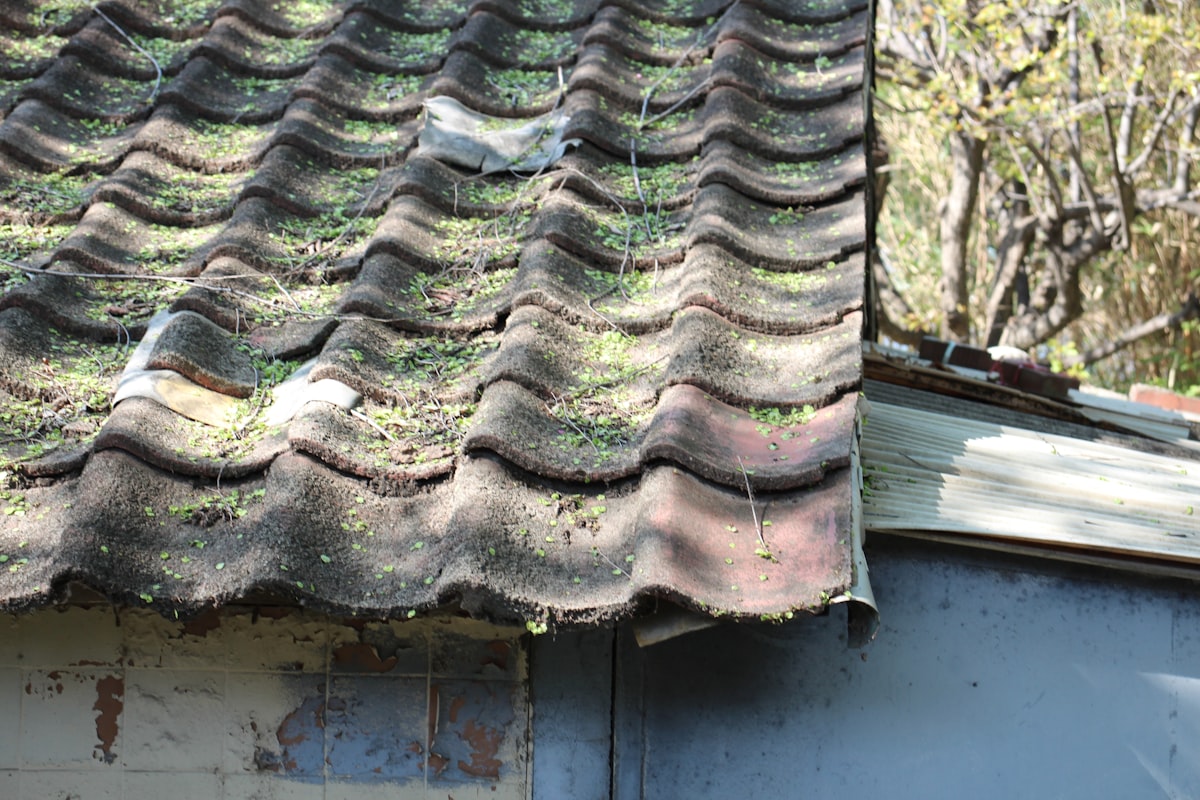
What to say: “The roof covering shows wear. I’m not predicting exact remaining life, but the condition suggests you should plan for repairs and eventual replacement sooner rather than later.”
Electrical panel
What to say: “This panel is a known brand/type that often raises concerns, and I noted defects. The recommendation is evaluation by a licensed electrician, and repairs/replacement as needed.”
Structure/foundation
What to say: “This crack/movement is outside what I consider typical for cosmetic shrinkage. I’m recommending further evaluation by a qualified specialist so you can understand cause and cost.”
Step 5: The “3 Biggest Things” Close (Clients Love This)
End with:
“If you remember nothing else from today, remember these three items:”
Then:
“These are the items most likely to affect safety or your repair budget.”
Scripts for Common Client Questions
“Is this a good house?”
Best answer: “My job isn’t to decide if it’s a good deal — it’s to explain the home’s condition and risks so you can decide. The house has some typical issues and some items I’d prioritize. Let’s review the big ones.”
“Would you buy it?”
Best answer: “I don’t make purchase decisions for clients, but I can tell you what I’d budget for and what I’d want corrected before closing.”
“Can you tell me how much this costs to fix?”
Best answer: “I can’t quote accurately because pricing varies by contractor and scope. What I can do is tell you the likely type of repair and recommend the right trade to get estimates.”
“Is that mold?”
Best answer: “I can’t confirm mold visually. I can document the staining/conditions and recommend further evaluation if you want certainty.”
“How urgent is this?”
Best answer: “I categorize urgency as safety, active water, major functional defects, and maintenance. This falls into ________ and should be addressed ________.”
Walkthrough Phrases That Reduce Conflict
- “Based on what I can see today…”
- “I recommend further evaluation by…”
- “This is a snapshot in time…”
- “This is outside my scope to test invasively…”
- “This is common, but still worth fixing…”
How ReportWalk Helps During Walkthroughs
If you do a client walkthrough while also trying to remember every detail for the report, it’s easy to lose time.
ReportWalk helps you:
- Dictate observations as you go
- Attach photos
- Keep your language consistent (location → condition → implication → recommendation)
So your walkthrough and your report match — and you don’t have to rewrite everything later.
Quick Walkthrough Script (Copy/Paste)
“Here are the main findings. First, safety items. Second, water-related risks. Third, big-ticket systems. I’ll show you the locations, explain what it means, and then the report will have photos and clear next steps.”