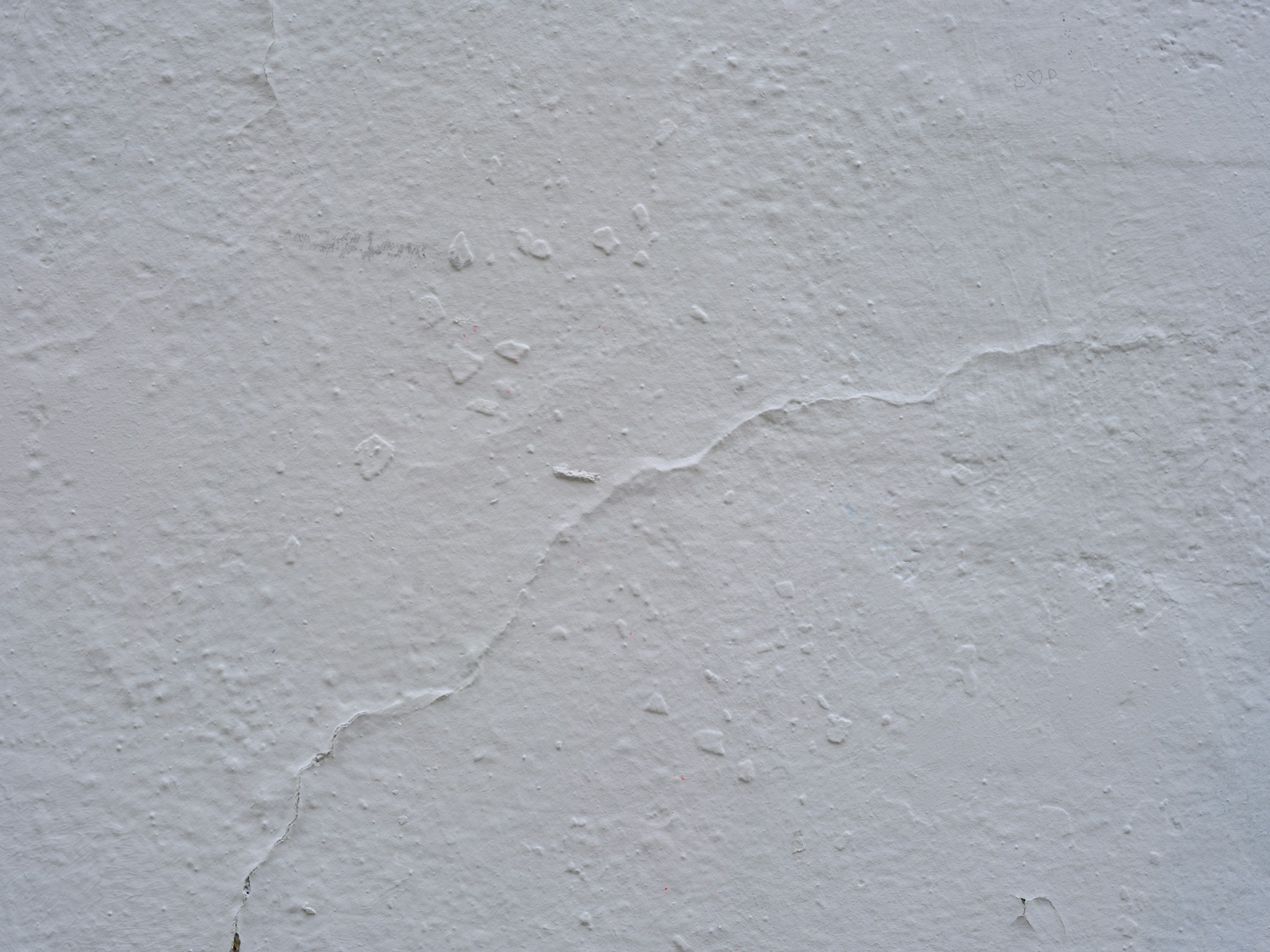
Exterior Wall Cracks: How Inspectors Classify Them (and Write It Clearly in the Report)
Exterior wall cracks are one of the most emotionally loaded findings you can show a client.
A hairline stucco crack can be routine. A step crack in masonry can be a settlement clue. A horizontal crack can be a red flag. And almost all of them can become water intrusion paths even when they’re not “structural.”
This guide is about doing three things well:
- Classify cracks by pattern and material
- Identify red flags worth escalation
- Document and describe cracks in a way that’s clear and defensible
Note
This is general guidance. You’re typically observing and reporting — not engineering. When in doubt, recommend further evaluation by a qualified specialist.
First: Identify the Wall Type (Cracks Mean Different Things)
Before you interpret a crack, name the assembly:
- Stucco (cement plaster) over lath
- Masonry veneer (brick/stone)
- CMU block
- Poured concrete foundation wall
- Fiber cement / wood / vinyl siding (cracks may be in trim/caulk rather than structure)
Crack meaning depends on whether the crack is:
- In the finish layer (stucco/paint)
- In the masonry units/mortar
- Through a structural wall (foundation)
Crack Pattern Cheat Sheet (What It Often Suggests)
Hairline map cracking (stucco)
What it looks like:
- Fine, web-like lines
Often suggests:
- Shrinkage, finish coat movement, normal aging
Report approach:
- Note as maintenance + potential moisture entry path if widespread.
Vertical cracks
Often suggests:
- Shrinkage, minor settlement, thermal movement
Red flags:
- Wide crack, displacement, increasing width, located at corners of openings
Diagonal cracks (from corners of windows/doors)
Often suggests:
- Stress concentration, movement at opening, possible header/lintel or settlement movement
Step cracking (brick/block mortar joints)
Often suggests:
- Differential settlement or movement
Escalate when:
- Crack is wide, shows displacement, or continues through multiple courses over a long span.
Horizontal cracks (foundation walls)
Often suggests:
- Lateral soil pressure, bowing risk (depending on material and location)
This is commonly a “recommend specialist” category.
Separation at control/expansion joints
Often suggests:
- Joint sealant failure or movement at designed joint
Action:
- Maintenance/repair (sealant, joint covers) to prevent water intrusion.
Red Flags to Look For (Beyond “There’s a Crack”)
When cracks come with these, the priority goes up:
- Displacement (one side higher/out further)
- Bowing or wall out-of-plumb
- Stair-step cracking with widening pattern
- Cracks at multiple elevations on same wall line
- Door/window operation issues nearby (binding, racking)
- Water intrusion evidence inside opposite the crack
- Recent patching (fresh paint/stucco repair) with no explanation
Key Takeaway
If you can’t see the whole wall (landscaping, storage, vines), photograph the limitation. “Could not fully evaluate” is better than silence.
How to Document Exterior Cracks (Fast and Defensible)
Photos: take 3 angles
- Wide shot (wall elevation context)
- Mid-range (shows crack path relative to openings)
- Close-up (shows crack width/detail)
Measure crack width
- Use a ruler, crack gauge, or even a coin reference
- If you don’t measure, classify with terms like “hairline” vs “moderate” vs “wide” and be consistent.
Note location precisely
Examples:
- “East elevation, below second-floor window, approx. 3 ft long”
- “North foundation wall, mid-span, approx. 10 ft from NW corner”
Look for water pathways
- Is the crack at a window sill line?
- Does it intersect flashing?
- Is there failed sealant nearby?
Report Language Templates (Copy/Paste)
Template: hairline stucco cracking
“Hairline cracking observed in stucco finish at the south elevation. This appears consistent with typical finish movement/aging. Cracks may allow moisture intrusion over time; recommend sealing/repair and monitoring for changes.”
Template: masonry step crack (recommend further evaluation)
“Step cracking observed in the masonry mortar joints at the west elevation near the garage corner. Step cracking can be associated with differential movement/settlement. Recommend further evaluation by a qualified contractor/structural professional and repair as needed.”
Template: foundation horizontal crack
“Horizontal cracking observed at the foundation wall on the north side. Horizontal cracks can indicate lateral soil pressure and may be associated with wall movement. Recommend evaluation by a qualified foundation/structural specialist and repairs as needed.”
Template: crack with water evidence
“Cracking observed at the exterior wall at the east elevation near the living room window. Interior staining consistent with moisture was also observed in the vicinity. Recommend evaluation of building envelope/flashing and repairs to prevent water intrusion.”
Important
Avoid definitive engineering conclusions unless you’re qualified and your SOP allows it. Use observable statements + recommendations.
Common Mistakes Inspectors Make With Exterior Cracks
- Writing “crack noted” with no location, size, or context
- Treating all cracks as structural (unnecessary alarm)
- Treating all cracks as cosmetic (missed movement/water risk)
- No photo scale reference
Where ReportWalk Fits
Exterior crack findings are all about clarity. ReportWalk helps you dictate a consistent narrative:
- Location (elevation + reference point)
- Crack type/pattern
- Any displacement or related issues
- Water intrusion considerations
- Recommendation tier (seal/monitor vs. specialist)
Quick Field Checklist
- Identify wall type (stucco/masonry/siding/foundation)
- Classify crack pattern (vertical/diagonal/step/horizontal/map)
- Check for displacement/bowing
- Photograph: wide + mid + close-up with scale
- Note exact location and approximate length
- Look for interior moisture evidence opposite crack
- Recommend seal/monitor or specialist evaluation based on red flags