Back-to-School Facility Inspection: The Summer Walkthrough Before Students Return
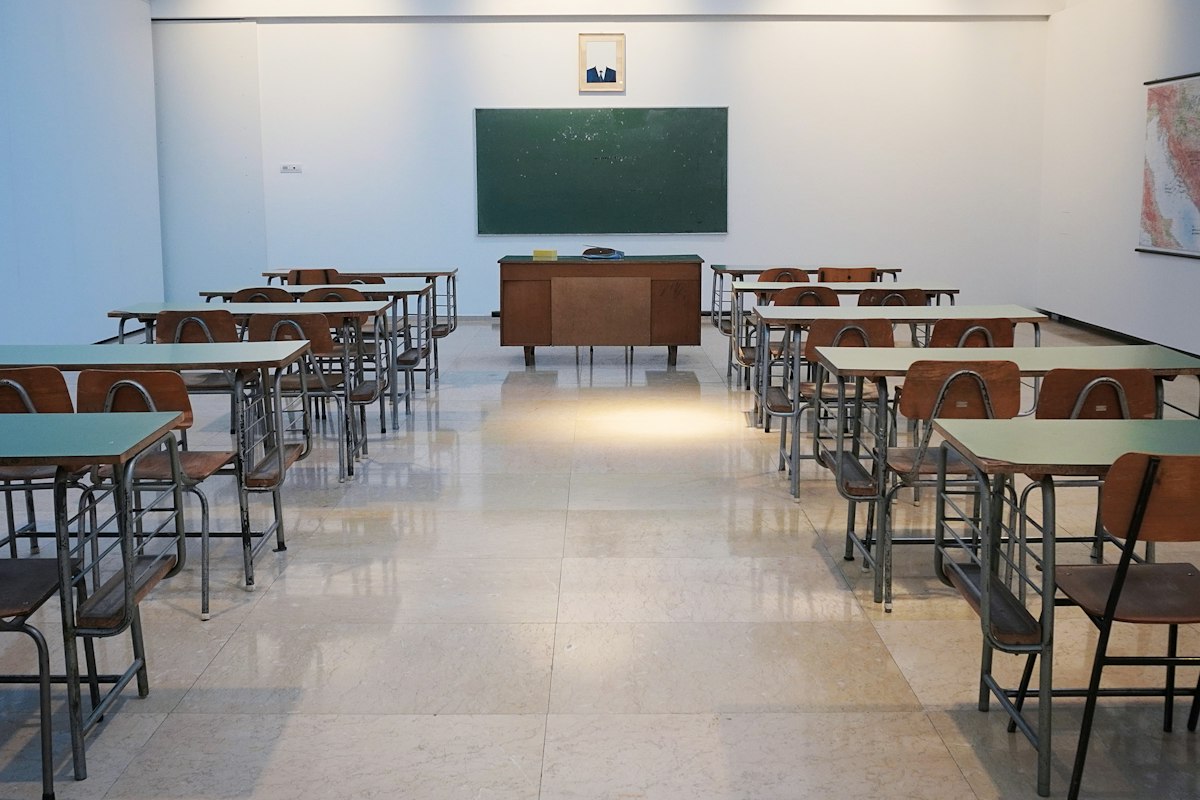
A school facility inspection happens all year in small ways: the weekly site walk, the lock-up round, the fire drill. But one walkthrough matters more than the rest. In late summer, before students return, the whole building needs a top-to-bottom look. An empty school for eight or ten weeks isn't a resting school. Water sits in pipes, air handlers sit idle, roofs take summer storms with nobody inside to notice the drip, and contractors leave things behind.
This is that walkthrough: what to check, when to book it, and how to make sure the list gets finished before the first bell.
Book these before you walk
Some checks need a specialist and a date in the diary, and August is when every school in the district wants the same contractor. Book them in June:
- Fire alarm and sprinkler inspections and tests, if they fall due over the break
- Emergency lighting annual duration test
- Kitchen hood and fire suppression service
- Elevator and lift inspections
- Boiler and HVAC start-up service
- Playground inspection by a certified inspector, if your district uses one
- Asbestos: in US schools, the AHERA rules call for periodic surveillance every six months and a full reinspection every three years. If either falls over the summer, schedule it.
1. Water: flush before anyone drinks
Water that has sat in pipes all summer can carry higher levels of lead and copper, and stagnant warm water is where Legionella grows.
- Flush drinking fountains, kitchen taps and classroom sinks before the building reopens, following your district's or health department's procedure
- Hot water: heater set correctly, and outlets that weren't used all summer run through
- Lead testing: if your school tests drinking water, check when it was last done and whether any outlet was taken out of use
- Bottle fillers and filters: replace the filters that have reached their date
2. Air: the HVAC wakes up
- Filters changed after the summer, especially if the building was used for summer school or renovation dust
- Start-up of air handlers and unit ventilators well before day one, so problems show up while there's still time to fix them
- Outside air dampers open and working
- Mold: look and smell in closed rooms, basements, storage areas and anywhere the air was off and humidity was high
3. Roofs, ceilings and the building shell
Summer storms hit an empty building with nobody inside to see the leak.
- Ceiling tiles: stained or sagging tiles mark a roof or pipe leak. Find the source before replacing the tile.
- Roof drains and gutters cleared of debris
- Windows that open, close and lock; screens in place; no cracked panes in reach of students
- Exterior doors closing and latching on their own
4. Locks, doors and access control
The lockdown plan depends on doors that lock, and summer is when hardware gets changed.
- Every classroom door locks the way the plan assumes, from inside if that's your standard
- Exterior doors secure, with no props, wedges or taped latches left from summer works
- Access control and buzzer systems working, visitor entry point clear
- Keys: keys returned by staff who've left, new staff keys issued
5. Life safety, before day one
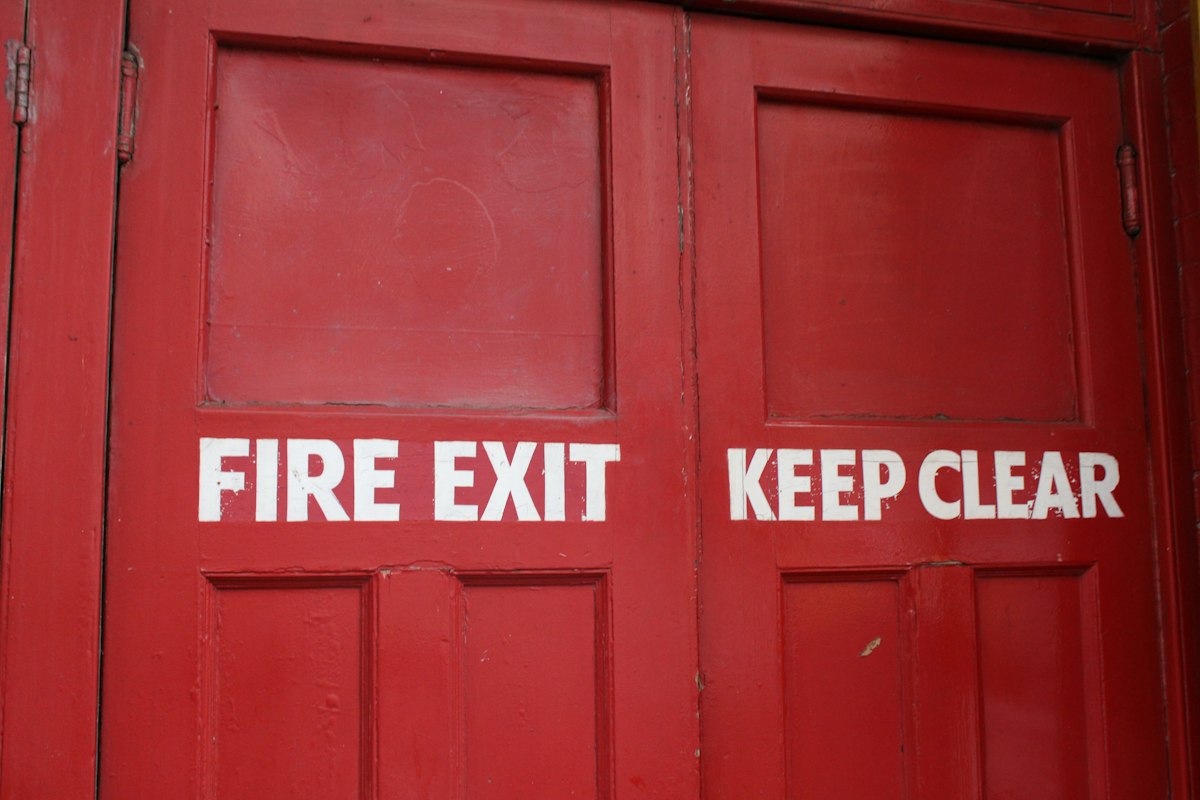
- Exits and corridors clear of the furniture and boxes that summer cleaning piled up
- Fire doors closing and latching, and not wedged open
- Extinguishers in place and in date
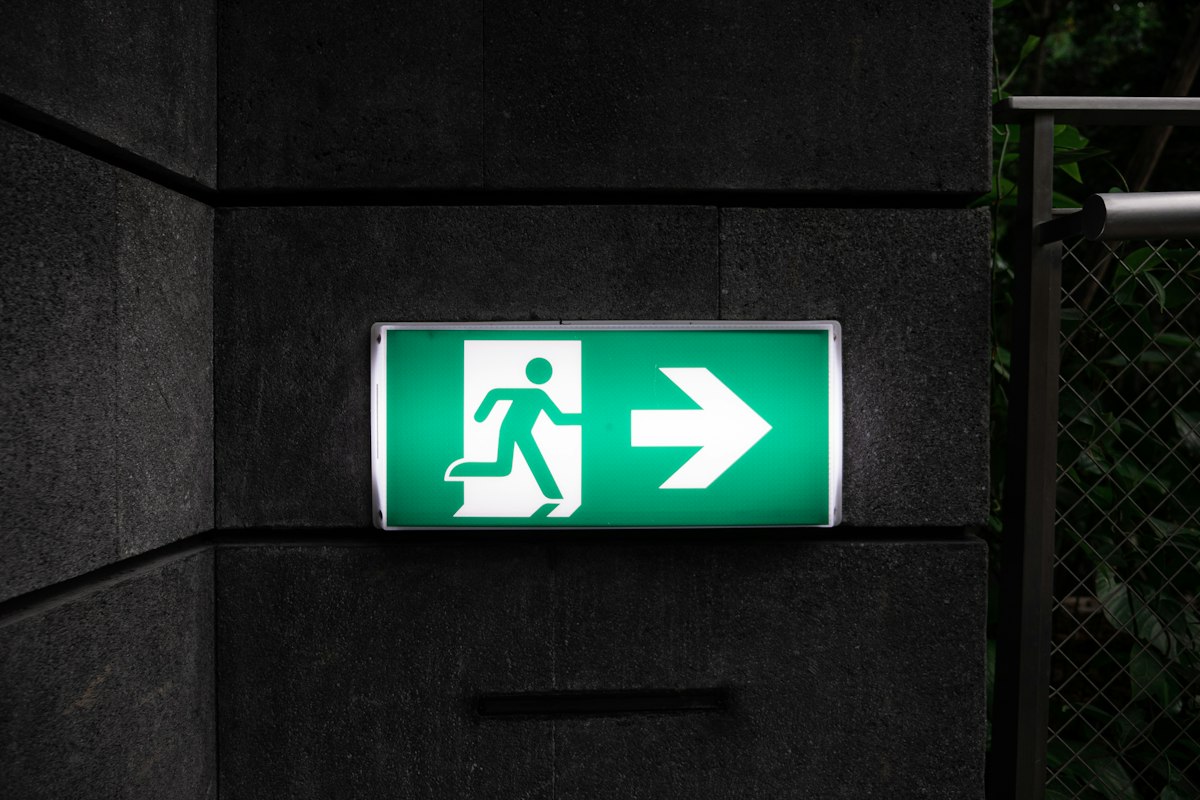
- Emergency lighting and exit signs lit
- AEDs: pads and batteries in date, the cabinet alarm working
- First aid kits restocked
6. Playgrounds and grounds
- Surfacing under play equipment topped up to depth and free of debris
- Equipment: no loose bolts, cracked plastic, sharp edges or missing caps after a summer of public use
- Fences and gates intact and closing
- Trees: storm-damaged limbs over play areas and walkways
- Parking lot and drop-off: line marking, signs, crossings
7. What contractors left behind
Summer is construction season in schools.
- Fire-stopping: every new cable or pipe through a wall sealed
- Ceiling access panels back in place
- Debris, tools and chemicals cleared out
- Temporary barriers removed from exits, and permanent ones put back
- Sign-off paperwork from the contractor, inspections and certificates filed
Turning the walkthrough into a finished list
The walkthrough always finds more than the team can fix in two weeks. What decides whether it gets done is the list:
- One item, one owner, one date. "Fix door" isn't a task. "Room 14 door closer, custodian, by 20 August" is.
- Sort by what blocks opening: anything affecting water, fire, locks or access goes first.
- Photograph every item, so the person fixing it finds it without a tour.
- Walk it again a week before opening to check the list is closed.
Speak while you walk, and the document writes itself. Walking a school in August with a clipboard means two days of walking and a third of typing. Saying what you see, room by room — "Room 14, ceiling tile stained above the window, photo. Door closer slow, doesn't latch. Sink not flushed yet." — means the list is written, photographed and ready to hand out by the time you reach the gym.
Key Takeaway
The free school facility inspection is the weekly site walk: escape routes, classrooms, practical rooms, kitchens, grounds and the lock-up check. It works for the summer walkthrough too, and fills in on a phone. In the ReportWalk app the actions carry into the next walk. First walks free.
Related
- School facility inspection: the free template, weekly site walk
- School risk assessment: for trips, practicals, breaks and events
- Playground equipment inspection: equipment and surfacing, piece by piece
- Emergency lighting inspection: monthly and annual tests
Frequently asked questions
When should a back-to-school facility inspection be done? Two to four weeks before students return, so there's time to fix what it finds. Book specialist inspections, such as fire systems and HVAC start-up, in early summer.
Why flush water systems before a school reopens? Water that has sat in pipes over a long break can carry higher levels of lead and copper and can encourage bacteria such as Legionella. Flushing replaces it with fresh water before anyone drinks it.
What should a school facility inspection checklist cover? Water, HVAC and air quality, roofs and ceilings, doors and locks, life safety equipment and exits, playgrounds and grounds, and any work contractors did over the break.
Who should do the summer walkthrough? Usually the facilities or maintenance lead with the head custodian, ideally with the principal or a member of the safety team for part of it.
Does the summer walkthrough replace weekly inspections? No. It's a deeper check once a year. The weekly site walk keeps escape routes clear and catches day-to-day problems through the school year.
What do summer walkthroughs most often miss? Water flushing, contractor work that left holes in fire-resisting walls, and classroom door locks that no longer work the way the lockdown plan assumes.