A rental property inspection checklist isn't optional — it's how you protect your investment, maintain tenant relationships, and stay out of legal trouble. Whether you're a landlord managing a few units or an inspector handling dozens of rental walk-throughs a month, having a structured approach to documenting property condition makes everything easier.
I've seen landlords lose security deposit disputes because they had no documented proof of damage. I've seen inspectors rush through rental inspections and miss issues that turned into $10,000 repair bills. A good rental property inspection checklist prevents both problems.
This guide covers what to document at every stage of the rental cycle — move-in, routine, and move-out — with a focus on the documentation practices that actually hold up when disputes arise.
Why Rental Property Inspections Matter
Rental inspections serve three purposes:
-
Protect the property owner's investment. Catching deferred maintenance early prevents small problems from becoming expensive ones. A slow roof leak caught during a routine inspection costs $500 to fix. The same leak caught six months later costs $15,000 in structural damage.
-
Create a legal record. Move-in and move-out condition reports are legal documents in most states. They determine security deposit deductions, liability for damage, and compliance with habitability requirements.
-
Maintain tenant accountability. When tenants know the property is inspected regularly, they take better care of it. That's not cynicism — it's human nature.
Note
Most states require landlords to provide 24-48 hours written notice before entering a rental property for inspection. Check your state's landlord-tenant laws before scheduling. Violations can invalidate your inspection findings in court.
Move-In Inspection: Setting the Baseline
The move-in inspection is the most important inspection in the rental cycle. Everything that follows — routine inspections, move-out assessments, deposit disputes — references this baseline.
Exterior Documentation
- Roof and gutters — Note visible condition from ground level. Document any missing shingles, sagging gutters, or staining on fascia.
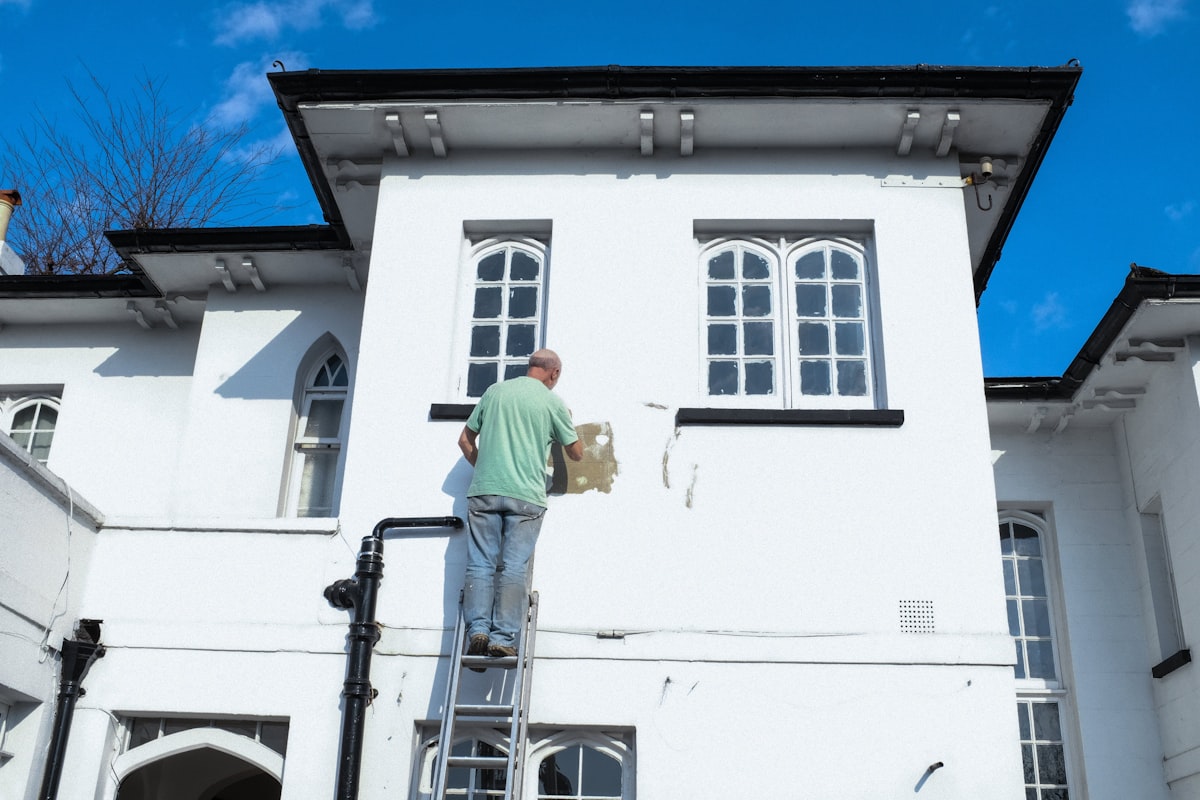
- Siding and paint — Photograph peeling paint, cracks, dents, or staining. Note the general condition (good, fair, poor).
- Windows and screens — Check every window. Do they open and close? Are screens intact? Are there cracks or broken seals (fogging between panes)?
- Doors and locks — Test all exterior doors. Deadbolts should engage smoothly. Weather stripping should be intact.
- Yard and landscaping — Document the condition of the lawn, trees, fences, and any hardscaping. Take wide-angle photos showing the overall property.
- Driveway and walkways — Note cracks, heaving, or trip hazards. These are liability issues.
Kitchen
- Appliances — Test every appliance. Run the dishwasher, test all burners, check oven temperature, run the garbage disposal, verify the refrigerator temperature. Document model numbers and condition.
- Cabinets and countertops — Open every cabinet. Check for damage, water stains, or pest evidence. Note countertop chips, burns, or stains.
- Sink and faucet — Run hot and cold water. Check for leaks under the sink. Test the sprayer if present.
- Flooring — Document scratches, stains, damaged tiles, or worn areas. Take close-up photos of any existing damage.
Bathrooms
- Toilet — Flush and check for running, leaking at the base, or loose mounting. Check the wax ring (look for water stains on the ceiling below if there's a level beneath).
- Shower/tub — Run water and check drainage speed. Inspect caulking and grout. Look for mold or mildew. Test the diverter valve.
- Vanity and sink — Same as kitchen — run water, check for leaks, note condition.
- Ventilation — Test the exhaust fan. A non-functioning bathroom fan leads to moisture damage and mold. This is a habitability issue in many jurisdictions.
Living Areas and Bedrooms
- Walls and ceilings — Document holes, cracks, stains, or patches. Previous repairs should be noted even if they're cosmetic.
- Flooring — Carpet condition (stains, wear, burn marks), hardwood (scratches, warping, finish condition), tile (cracked, loose, grout condition).
- Closets — Check shelving, rods, doors. Look for water stains or mold on exterior walls.
- Windows — Test operation, check locks, note condition of sills and frames.
- Electrical outlets and switches — Test a sample of outlets with a tester. Verify all switches control something. Note any missing cover plates.
Major Systems
- HVAC — Run both heating and cooling (if weather permits). Check the HVAC system filter condition. Note the age of the equipment.
- Water heater — Note age, type, and capacity. Check for corrosion, leaks, or improper venting.
- Electrical panel — Open the panel. Note the service size, look for double-tapped breakers, and verify labeling.
- Plumbing — Check water pressure, water color (rust indicates galvanized pipes), and drain speed throughout the property.
Key Takeaway
Take a video walk-through in addition to photos. Video captures context that photos miss — the sound of a running toilet, the effort needed to open a stuck window, the overall condition of a room. Voice narration while you walk through is even better for creating a complete record.
Routine Inspections: What to Check Quarterly or Biannually
Routine inspections keep small problems from becoming big ones. They're shorter than move-in inspections because you're comparing against the baseline, not creating one.
Priority Items (Check Every Time)
- Smoke detectors and CO detectors — Test every unit. Replace batteries if needed. This is a life-safety and legal compliance issue.
- Water leaks — Under sinks, around toilets, at water heater, ceiling stains, basement moisture. Water damage is the most expensive preventable issue in rental properties.
- HVAC filter — Is it clean? A clogged filter damages the system and increases utility costs.
- Pest evidence — Droppings, gnaw marks, nests, or live insects. Early detection prevents infestations.
- Tenant modifications — Unauthorized changes to the property (painting, removed doors, installed fixtures, satellite dishes).
- Lease violations — Unauthorized pets, occupants, or prohibited activities.
Seasonal Items
Spring/Summer:
- Exterior drainage and grading
- AC operation and refrigerant lines
- Landscaping condition
- Deck/patio condition
- Exterior faucets and irrigation
Fall/Winter:
- Heating system operation
- Weather stripping and insulation
- Gutter cleaning status
- Pipe insulation in unheated areas
- Window condition (drafts, condensation)
How to Handle Findings
Document everything, but prioritize your follow-up:
- Urgent (safety/habitability): Water heater venting issues, non-functioning smoke detectors, electrical hazards, major leaks — address within 24-48 hours.
- Maintenance (prevent further damage): Minor leaks, worn caulking, filter replacement, gutter cleaning — schedule within 2 weeks.
- Cosmetic (note for move-out): Wall marks, minor carpet stains, cosmetic damage — document and compare at move-out.
Documentation Best Practices That Hold Up in Court
Your rental property inspection checklist is only as good as your documentation. Here's what makes the difference between evidence and noise.
Photograph Everything — Even What Looks Fine
The most common dispute isn't over damage you found — it's over damage you didn't document. If the carpet was already stained at move-in and you didn't photograph it, you can't deduct from the deposit at move-out.
Minimum photo requirements:
- Every room from at least two angles
- All appliances (open and closed)
- Under every sink
- Every wall in every room (for nail holes and marks)
- Floors throughout (especially transitions and high-traffic areas)
- Close-ups of any existing damage with a reference for scale
Date-Stamp Everything
Your inspection documentation needs clear dates. Courts don't accept undated photos as evidence of condition at a specific time. Most inspection apps and phone cameras embed date metadata, but verify this is turned on.
Get Tenant Signatures
At move-in, walk through with the tenant and have them sign the condition report. If they disagree with any finding, note their objection. A signed move-in report is your strongest legal document for deposit disputes.
Use Consistent Language
"Fair condition" means nothing if you use it differently each time. Develop a rating system and stick to it:
- Good — No visible damage, functions properly, normal wear only
- Fair — Minor cosmetic issues, functions with noted limitations
- Poor — Visible damage, impaired function, needs repair
- Failed/Unsafe — Non-functional, safety hazard, requires immediate attention
Common Rental Inspection Mistakes
Skipping the Basement and Attic
Out of sight doesn't mean out of mind. Crawl spaces and attics are where water damage, pest infestations, and structural issues hide. Check them every time.
Not Testing Appliances
Opening the refrigerator and seeing it's cold isn't testing it. Run the dishwasher through a cycle. Turn on every burner. Run the oven to temperature. Appliance failures are the most common maintenance request from tenants — catching them during inspections is cheaper than emergency repairs.
Rushing the Documentation
A 15-minute walk-through with a few phone photos isn't an inspection. It's a liability. Budget 45-60 minutes for a one-bedroom unit and 90-120 minutes for a three-bedroom house. The documentation time is where the value is.
Inconsistent Inspection Schedules
If you inspect some properties quarterly and others never, you've created a pattern that lawyers can exploit. "You inspected Unit A regularly but neglected Unit B where my client was injured." Set a schedule and stick to it.
Scaling Rental Inspections Without Burning Out
If you're managing or inspecting more than a handful of rental properties, efficiency matters. Here's what works.
Standardize your process. Use the same inspection sequence every time — exterior, kitchen, bathrooms, living areas, systems. Muscle memory kicks in and you stop forgetting things.
Voice-document as you go. Writing notes or typing on a tablet while inspecting is slow and pulls your attention from the property. Inspectors using voice-based documentation tools like ReportWalk can narrate findings as they walk through, then review and refine the report afterward. It cuts documentation time roughly in half and produces more detailed records because you capture observations in real-time instead of trying to remember them later.
Batch your inspections. Schedule rental inspections in geographic clusters. Four inspections in the same neighborhood in one morning is far more efficient than four inspections spread across the week.
Build a photo archive. Organize inspection photos by property, unit, and date. Cloud storage with a clear folder structure means you can pull up any inspection from the past five years in under a minute.
What Landlords Should Expect from Professional Inspectors
If you're a landlord hiring an inspector for rental property work, here's what good looks like:
- A written report — not verbal findings or a casual email. A structured report with photos, organized by area.
- Clear distinction between damage and normal wear. Wear happens. A scuffed baseboard isn't tenant damage. A hole in the wall is.
- Actionable recommendations. Not just "roof is in fair condition" — but "roof has 5-7 years of remaining life, recommend budgeting for replacement."
- Timely delivery. Rental inspections should be turned around in 24-48 hours, not a week. Move-in inspections need to be ready before the tenant takes possession.
A solid rental property inspection checklist, used consistently with thorough documentation, is the best investment a property owner can make. It protects the property, protects the tenant relationship, and protects you when things go sideways. Document what you see, document it well, and you'll never lose a dispute you shouldn't lose.