Radon Inspection: Testing Protocol & Report Best Practices
Radon testing sounds simple — put a device in a basement, pick it up two days later, read the number. But the details of placement, closed-house conditions, and result interpretation are where most testing errors happen. And when your number determines whether a buyer spends $1,200 on a mitigation system, getting the protocol right isn't optional.
This is the complete radon inspection walkthrough — which devices to use, where to place them, how to maintain testing conditions, and how to present results in a way that's accurate and defensible.
Why Radon Matters (The 30-Second Version)
Radon is a naturally occurring radioactive gas that seeps into buildings from the ground. It's the second leading cause of lung cancer after smoking — responsible for an estimated 21,000 deaths per year in the United States.
You can't see it, smell it, or taste it. The only way to know it's there is to test. That's why lenders, buyers, and real estate agents request radon testing on nearly every transaction in affected regions.
Note
The EPA action level is 4.0 pCi/L (picocuries per liter). At or above this level, the EPA recommends mitigation. However, there's no "safe" level of radon — the EPA also suggests considering mitigation for levels between 2.0 and 4.0 pCi/L.
Testing Devices: What You Should Use
There are two broad categories: passive and active. For real estate inspections, most professionals use continuous radon monitors (CRMs) — and for good reason.
Continuous Radon Monitors (CRMs)
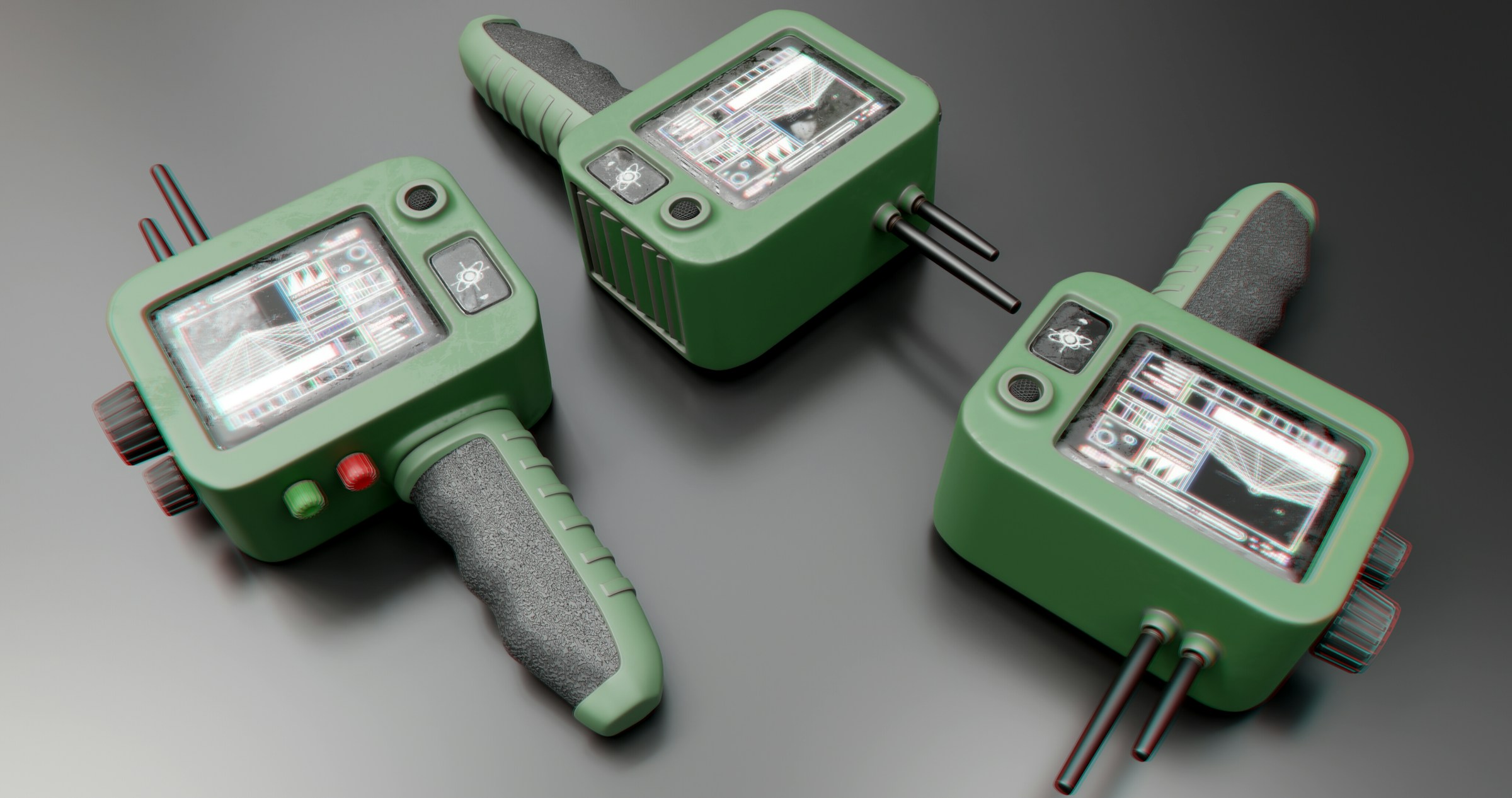
These are the standard for professional real estate radon testing. Brands you'll see in the field include Sun Nuclear 1027/1028, Radalink AirCat, RadStar, and Ecosense.
Advantages:
- Hourly readings show radon patterns over the test period, not just an average
- Tamper detection (motion sensors, tilt switches) protects against interference
- Results available immediately — no lab wait time
- Most produce a printable report automatically
Considerations:
- Upfront cost ($700-$2,500 per unit)
- Annual calibration required (typically $75-$150)
- Battery maintenance and firmware updates
Passive Devices
Charcoal canisters and alpha track detectors are cheaper but have significant limitations for real estate testing:
- No tamper evidence
- No hourly data — just a single average
- Must be sent to a lab (1-3 day turnaround)
- Charcoal canisters are sensitive to humidity and temperature fluctuations
If you use passive devices, deploy them in pairs for duplicate measurement. AARST-ANSI standards require it — single-canister tests are not considered reliable for real estate transactions.
Placement: Where the Device Goes
Device placement is the single most common source of testing errors. Get this wrong and your number is indefensible.
The Rules
- Lowest livable level. Test in the lowest level of the home that is currently lived in OR could be finished and used as living space. An unfinished basement with a concrete floor counts. A dirt-floor crawl space does not.
- At least 20 inches off the floor. Radon concentrations vary by height. Testing on the floor artificially inflates readings. Place the device on a table, shelf, or stand.
- At least 3 feet from exterior walls. Wall proximity can skew results due to air infiltration patterns.
- At least 3 feet from windows, doors, and exterior openings. Fresh air dilutes radon — testing near an opening gives you a falsely low reading.
- Away from HVAC vents and fans. Air movement near the device disrupts the diffusion chamber and skews readings.
- Away from moisture and humidity sources. Don't place near a sump pit, laundry sink, or bathroom. Humidity affects some device types.
- Do not place in a closet, cabinet, or enclosed space. The device needs ambient air circulation.
Key Takeaway
Take a photo of your device placement when you deploy it AND when you retrieve it. This documents that the device was properly placed and wasn't moved during the test. Include these photos in your report.
The Living Space Question
This comes up constantly: "The basement is unfinished — do I still test down there?"
Yes. If the basement has a concrete floor, adequate ceiling height, and could reasonably be finished into living space, test there. The standard is "lowest livable level," not "lowest currently lived-in level." Future use matters because the buyer may finish that basement.
The only exception is a crawl space that clearly cannot be converted to living space — insufficient height, dirt floor, no access beyond a hatch.
Closed-House Conditions
This is where radon tests fail most often — not from device error, but from testing conditions that invalidate the results.
What Closed-House Means
- All windows and exterior doors remain closed for the duration of the test, except for normal entry and exit.
- Exterior doors should not be left open for extended periods (no propping the garage door open for an afternoon).
- Normal HVAC operation is fine — heat and AC can run as usual.
- Fireplaces should not be operated during the test (they create negative pressure that draws radon in).
- Whole-house fans should be turned off.
- Closed-house conditions must begin 12 hours before the test starts and continue through the entire 48-hour minimum test period.
The 12-Hour Pre-Condition
This is the one most people forget. You can't show up and immediately deploy your device. The house needs 12 hours of closed-house conditions before the test period begins.
In real estate transactions, the listing agent or seller's agent is typically responsible for establishing closed-house conditions before you arrive. Get this in writing — an email or text confirming that windows and doors have been closed since [specific time].
If you arrive and windows are open, you have two choices:
- Close the windows and come back 12 hours later to deploy
- Deploy now and note that the 12-hour pre-condition may not have been met
Option 1 is the defensible choice. Option 2 is what happens under tight closing deadlines.
The 48-Hour Test Period
AARST-ANSI standards require a minimum 48-hour test for short-term radon testing. Some states require longer. Check your state's requirements.
During the Test
- Don't disturb the device. Don't move it, bump the table it's on, or stack things near it.
- Maintain closed-house conditions for the entire test period.
- Normal living activities are fine — cooking, showering, laundry, entering and exiting through doors.
- The HVAC system should operate normally. Don't change thermostat settings dramatically during the test.
Retrieving the Device
When you pick up the device:
- Note the exact retrieval time
- Photograph the device in its placement location before moving it
- Check the motion/tamper indicator — if it was triggered, note this in your report
- Download or read the results
- Check hourly data for anomalies
Interpreting Results
The raw number is straightforward — above or below 4.0 pCi/L. But your report needs context, not just a number.
What to Look For in Hourly Data
CRMs give you hourly readings that tell a story:
- Consistent readings throughout the test: Normal. The average is reliable.
- Elevated readings during certain hours, lower during others: Could indicate diurnal variation (radon levels naturally fluctuate with weather and barometric pressure). Normal, and the average accounts for this.
- Sudden spike mid-test: Check your tamper log. A spike followed by a drop could indicate a window was opened. If tamper was triggered at the same time, note it.
- Steadily increasing readings: Could indicate the house was still equilibrating from non-closed-house conditions when you deployed. The 12-hour pre-condition may have been insufficient.
Result Ranges and What They Mean
- Below 2.0 pCi/L: Low. No action recommended by the EPA. Worth noting that this is a single point-in-time measurement and levels can vary seasonally.
- 2.0 - 3.9 pCi/L: Moderate. EPA suggests considering mitigation. Many buyers still proceed without mitigation at this level, but it's their decision — not yours.
- 4.0 - 7.9 pCi/L: Above EPA action level. Recommend mitigation. This is the range where most real estate negotiations happen.
- 8.0+ pCi/L: Significantly elevated. Strongly recommend mitigation. At these levels, a sub-slab depressurization system typically reduces levels to below 2.0 pCi/L.
Writing the Radon Report
Your radon report is often a standalone document separate from the general home inspection report. It needs to be clear enough for a buyer, their agent, and potentially a mitigation contractor to understand.
What to Include
- Property address and test dates. Start and end date/time, exact to the hour.
- Device information. Device type, brand, model, serial number, and last calibration date. This establishes credibility and traceability.
- Placement description and photos. Where the device was placed, why that location was chosen (lowest livable level), and photos showing placement.
- Closed-house conditions. State whether the 12-hour pre-condition was met and how it was verified.
- Results. Average concentration in pCi/L. Include the hourly data chart if your device produces one.
- Tamper status. Whether the motion/tamper indicator was triggered during the test.
- Interpretation. Compare the result to the EPA action level. State whether mitigation is recommended based on the result.
- Limitations. A short-term test represents conditions during the test period only. Radon levels vary seasonally — winter levels are typically higher than summer levels. Long-term testing provides a more accurate annual average.
Language That Works
Don't write: "Radon was 5.2." Write: "The average radon concentration over the 48-hour test period was 5.2 pCi/L, which exceeds the EPA action level of 4.0 pCi/L. Mitigation is recommended."
Don't write: "Radon passed." Write: "The average radon concentration was 2.1 pCi/L, which is below the EPA action level of 4.0 pCi/L. No mitigation is required at this time, though radon levels can vary seasonally."
Avoid "pass" and "fail" language entirely. The EPA action level is a recommendation, not a regulatory threshold. Your report should present the data and the EPA guidance — the decision is the client's.
Mitigation Basics for Your Report
You're not the mitigation contractor. But your client will ask you what mitigation involves, and your report should include enough context to set expectations.
Sub-Slab Depressurization (SSD)
This is the most common mitigation method. A pipe is inserted through the basement slab, connected to a fan that runs continuously, and vented above the roofline. The fan creates a vacuum under the slab that draws radon out before it can enter the living space.
- Cost: Typically $800-$1,500 for a standard installation
- Effectiveness: Usually reduces levels by 80-99%
- Maintenance: Fan replacement every 5-10 years. Annual re-testing recommended.
When to Recommend Re-Testing Instead of Mitigation
If the result is close to 4.0 pCi/L (say, 3.8-4.5), a second short-term test can confirm the result before the buyer invests in mitigation. Radon levels fluctuate, and a single test near the action level may not represent typical conditions.
For results well above 4.0 pCi/L (say, 6.0+), a confirmation test is unnecessary. Mitigation is clearly warranted.
State Licensing and Requirements
Radon testing requirements vary significantly by state. Some states require specific certification (NRPP or NRSB), some accept general home inspection credentials, and some have no requirements at all.
Before offering radon testing services:
- Check your state's radon program for licensing requirements
- Obtain NRPP or NRSB certification if required (or recommended)
- Verify your E&O insurance covers radon testing
- Understand your state's minimum test duration (some require 48 hours, some require 96)
Streamline Your Radon Documentation
Radon testing involves a lot of metadata — device serial numbers, calibration dates, deployment times, retrieval times, tamper status, placement notes. That's on top of the actual result and interpretation.
ReportWalk lets you narrate your radon deployment notes as you place the device. Describe the placement location, note the deployment time, dictate the device serial and calibration info — all by voice while your hands are busy positioning the monitor. When you retrieve 48 hours later, narrate the retrieval conditions and tamper status. Your voice notes become the documentation trail your report needs.
The protocol is complex enough. Your documentation tool shouldn't add friction.