Lead Paint Inspection: What Every Inspector Should Check & Document
If you inspect homes built before 1978, lead paint is part of your job — whether you're certified to test for it or not. Every general home inspector needs a working lead paint inspection checklist because you're the first line of defense between a buyer and a hazard that still sickens thousands of children every year.
Here's what this guide covers: what you're required to do as a general inspector, how to visually assess lead paint risk, when to refer out to a certified lead inspector, what documentation protects you and your client, and the EPA and disclosure rules that apply to every pre-1978 transaction.
This isn't about becoming a lead paint specialist. It's about not missing what's right in front of you.
Why Lead Paint Still Matters in 2026
Lead-based paint was banned for residential use in 1978, but the paint itself doesn't expire. It's still on the walls, trim, doors, and windows of roughly 37 million homes across the United States. According to the EPA, lead paint is the most significant source of lead exposure for children in the U.S.
Note
Approximately 87% of homes built before 1940 contain lead-based paint. For homes built between 1940 and 1959, the figure is around 69%. Even homes built between 1960 and 1978 have a 24% chance of containing lead paint. If the house is pre-1978, you need to be thinking about lead. Period.
The danger isn't intact lead paint sitting quietly on a wall. The danger is deteriorating paint — chipping, peeling, chalking, or creating friction dust on window tracks and door frames. When lead paint breaks down, it becomes ingestible dust and chips, particularly dangerous for young children.
As a field inspector, you're not diagnosing lead poisoning. But you are documenting the condition of painted surfaces in older homes, and that documentation has real consequences.
Lead Paint Inspection vs. Risk Assessment: Know the Difference
Before you pick up your clipboard, understand the two distinct levels of lead evaluation — because confusing them will get you in trouble.
Lead Paint Inspection
A formal lead paint inspection determines whether lead-based paint is present on any surface in a home. It requires:
- A certified lead inspector (certified by the EPA or an EPA-authorized state program)
- XRF analyzer or paint chip sampling sent to a lab
- Surface-by-surface testing of all painted components
- A written report documenting lead concentration by surface
This is not your job as a general home inspector. Unless you hold a separate lead inspection certification, you cannot perform a lead paint inspection or declare a surface "lead-free."
Lead-Based Paint Risk Assessment
A risk assessment goes further — it evaluates whether lead paint hazards actually exist (deteriorating paint, lead dust, contaminated soil) and recommends corrective actions. This is performed by a certified lead risk assessor.
Also not your job. But understanding the difference matters because clients will ask.
What You Actually Do
As a general home inspector, your role is:
- Visually assess the condition of painted surfaces in pre-1978 homes
- Document deteriorating paint — peeling, chipping, chalking, cracking
- Note high-friction and high-impact areas where lead dust is generated
- Recommend further evaluation by a certified lead inspector when conditions warrant it
- Ensure the client understands disclosure requirements
You're the trip wire. You identify conditions that need specialist attention. That's valuable work, and it needs to be done right.
The EPA RRP Rule: What Inspectors Need to Know
The EPA's Renovation, Repair, and Painting (RRP) Rule applies to any renovation work in pre-1978 homes, child-occupied facilities, or schools. While this rule primarily targets contractors and renovators, inspectors need to understand it because:
- Your report recommendations may trigger renovation work that falls under RRP
- Clients will ask you about lead paint regulations
- You may encounter renovations in progress that violate RRP rules
Key RRP Requirements
- Renovators must be EPA-certified and follow lead-safe work practices
- Pre-renovation lead testing is required unless the homeowner assumes lead is present
- Work area containment, HEPA vacuuming, and wet methods are mandatory
- Clearance testing or cleaning verification is required after work
Key Takeaway
If you see active renovation work in a pre-1978 home — especially sanding, scraping, or demolition of painted surfaces — and there's no containment, no plastic sheeting, and no HEPA equipment visible, note it in your report. You're not enforcing RRP, but you are documenting conditions that affect the property.
Your Lead Paint Inspection Checklist: Visual Assessment
Here's what to check on every pre-1978 home inspection. This is your field checklist for visual assessment — no XRF required.
1. Windows and Window Sills
Windows are the #1 lead paint hazard location in residential properties. Here's why:
- Friction surfaces: Opening and closing windows grinds paint, creating lead dust
- Impact surfaces: Locks and latches chip paint on contact
- Deterioration zones: Window sills collect moisture, causing paint to peel and chalk
- Chewable surfaces: Window sills are at child height — accessible for mouthing
What to document:
- Condition of paint on all window components (sash, frame, sill, trim, well)
- Visible paint chips on sills or in window wells
- Paint dust or debris in window tracks
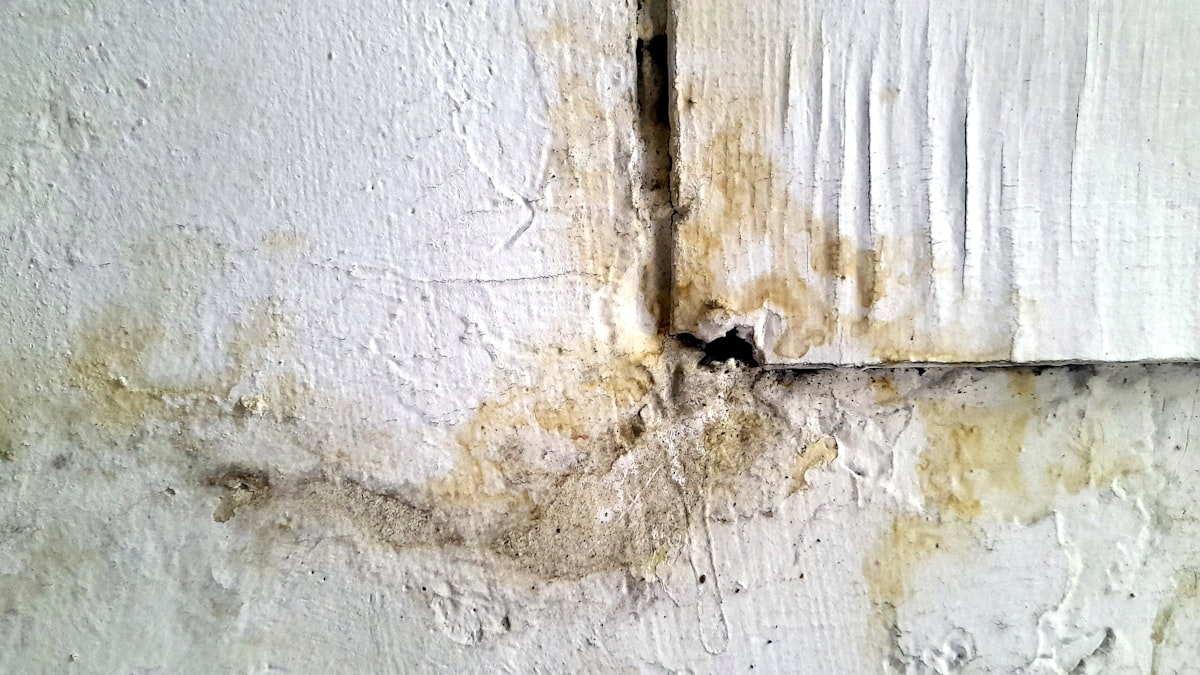
- Evidence of moisture damage accelerating deterioration
- Number of windows with deteriorating paint vs. total windows inspected
2. Doors and Door Frames
Doors are the second most common lead paint hazard — same friction and impact dynamics as windows.
What to document:
- Paint condition on door surfaces, edges, and frames
- Strike plate areas where paint chips on impact
- Hinge side where friction occurs
- Bottom edge of doors where paint contacts thresholds
3. Interior Trim and Baseboards
Trim, baseboards, chair rails, crown molding, and wainscoting often have multiple layers of old paint. These surfaces are also at child height and get bumped, scratched, and chipped regularly.
What to document:
- Alligator cracking (pattern cracking that indicates multiple old paint layers)
- Peeling or flaking, especially at joints and corners
- Evidence of previous paint-over without proper preparation
4. Stairways and Railings
Stair components get heavy wear — high friction on banisters from hands, impact on treads and risers from feet.
What to document:
- Paint condition on treads, risers, stringers, and balusters
- Handrail and banister paint — these are constantly gripped and rubbed
- Cap rails and newel posts
5. Exterior Surfaces
Exterior paint deterioration is driven by weather, UV, and moisture. For a broader exterior review, see our exterior inspection checklist.
What to document:
- Siding paint condition — especially on south and west exposures (UV damage)
- Fascia and soffit deterioration
- Porch columns, railings, and floors
- Window and door exterior trim
- Soil directly below exterior walls (bare soil can contain lead from paint chips)
6. Kitchens and Bathrooms
High-moisture environments accelerate paint deterioration.
What to document:
- Paint condition around sinks, tubs, and showers
- Under-sink cabinet interiors (often have old paint)
- Bathroom window sills (chronic moisture exposure)
7. Garage and Outbuildings
Often overlooked, but garages, sheds, and detached structures in pre-1978 properties commonly have lead paint.
What to document:
- Interior and exterior painted surfaces
- Condition of paint on garage doors and frames
XRF Testing vs. Paint Chip Sampling: What You Should Know
You won't be performing either test unless you're certified, but understanding the methods helps you communicate with clients and specialists.
XRF (X-Ray Fluorescence) Testing
- How it works: Handheld device shoots X-rays at the surface and measures lead concentration
- Pros: Non-destructive, results in seconds, tests through multiple paint layers
- Cons: Equipment costs $15,000-$25,000, requires certification and calibration
- Accuracy: Very high when properly calibrated and operated
- When to recommend: When the client needs definitive answers on specific surfaces
Paint Chip Sampling
- How it works: Physical paint chip removed from the surface and sent to an accredited lab
- Pros: Lower equipment cost, highly accurate lab analysis
- Cons: Destructive (removes paint), 5-10 business day turnaround, requires proper collection technique
- Accuracy: High, but only for the specific spot sampled
- When to recommend: When testing a limited number of surfaces or confirming XRF results
DIY Lead Test Kits
Clients will ask about these. Hardware store test kits (LeadCheck, 3M) can detect lead paint but have limitations:
- False negatives are possible, especially through multiple paint layers
- They don't measure lead concentration — just presence/absence
- The EPA recognizes only specific kits for RRP negative determinations
- They should never be used as a substitute for professional testing
Your recommendation should always be: if lead paint is a concern, hire a certified lead inspector for definitive testing.
Documentation Requirements: Protecting Your Client and Yourself
Your lead paint documentation needs to accomplish three things: inform the client, support referral recommendations, and protect you legally. Solid report writing is critical — see our guide to writing inspection reports for general best practices.
What to Include in Your Report
Property age notation:
- Year built (from listing or public records)
- Whether the home falls within the pre-1978 lead paint era
- Note if the year built is uncertain or the home has additions of different vintages
Visual assessment findings:
- Location and extent of deteriorating paint (room by room)
- Type of deterioration (peeling, chipping, chalking, cracking, alligator patterns)
- Severity assessment (minor spot peeling vs. widespread failure)
- Photo documentation of each area of concern
Recommendations:
- "Further evaluation by a certified lead inspector is recommended" — use this language when you observe deteriorating paint in a pre-1978 home
- Don't say "This paint contains lead" or "This surface is lead-free" — you haven't tested
- Don't say "This is safe" or "This is dangerous" — you're not qualified to make that determination
- Be specific about locations: "Deteriorating paint observed on eight of twelve window sills, primarily on the north-facing windows in bedrooms 2 and 3"
Disclosure Rules You Must Understand
Federal law requires specific lead paint disclosures in real estate transactions involving pre-1978 homes:
Seller's obligations:
- Disclose known lead-based paint and lead-based paint hazards
- Provide any existing lead inspection reports to the buyer
- Provide the EPA pamphlet "Protect Your Family From Lead in Your Home"
- Allow 10 days for the buyer to conduct a lead inspection (unless waived)
Your role:
- Don't assume the disclosure has been made — ask the buyer's agent
- If the client mentions young children will occupy the home, emphasize the importance of lead testing
- Note in your report whether a lead paint disclosure form was provided with the transaction documents
Note
The federal Lead Disclosure Rule (24 CFR Part 35 / 40 CFR Part 745) applies to all sales and rentals of pre-1978 housing. Violations can result in penalties up to $19,507 per violation as of 2026. This isn't obscure regulation — it's actively enforced.
When to Refer to a Certified Lead Inspector
Not every pre-1978 home needs a lead inspection referral. Here's when you should specifically recommend one:
Always Recommend Lead Testing When:
- Young children (under 6) will occupy the home — this is the highest-risk scenario
- Pregnant women will occupy the home — lead crosses the placenta
- Widespread paint deterioration is visible — multiple rooms, multiple surfaces
- Recent or planned renovation — disturbing lead paint creates exposure
- Window replacement or remodeling is planned — will disturb painted surfaces
- The home was built before 1940 — highest probability of lead paint, often multiple layers
Consider Recommending When:
- Paint is in good condition but the home is pre-1960 with original paint layers
- The buyer specifically asks about lead
- The property will be used as rental housing (HUD requirements may apply)
- There are visible paint chips on the ground outside the foundation
You Probably Don't Need to Refer When:
- The home has been completely resided (vinyl or aluminum over original siding)
- Interior surfaces have been fully encapsulated or replaced
- The home was built after 1978
- Professional lead testing has already been completed and documented
Common Locations Inspectors Miss
Even experienced inspectors overlook these spots:
- Window wells and weight pockets — hidden compartments in old double-hung windows accumulate decades of lead dust
- Porch ceilings — often original paint, deteriorating from moisture
- Closet interiors — frequently skipped during renovations, still have original paint
- Radiator covers and pipe chases — old paint on metal and surrounding surfaces
- Built-in cabinets and shelving — original painted surfaces in kitchens and pantries
- Stair treads under carpet — removing carpet may reveal deteriorating paint underneath
- Garage door trim — exterior wood around garage doors is often original
Putting It All Together: Your Field Workflow
Here's how to handle lead paint assessment efficiently on every pre-1978 inspection:
Before the inspection:
- Confirm year built
- Note whether children will occupy the property (ask the client or agent)
- Have your lead paint inspection checklist section ready in your reporting software
During the inspection:
- Visually assess all painted surfaces, focusing on high-risk areas (windows, doors, trim)
- Document deteriorating paint with photos — close-up and context shots
- Note alligator cracking, which indicates multiple old paint layers
- Check friction and impact surfaces specifically
- Note any evidence of previous lead abatement or encapsulation
After the inspection:
- Include the lead paint assessment section in your report regardless of findings
- State clearly that you performed a visual assessment, not a lead paint inspection
- Make referral recommendations as appropriate
- Remind the client about their right to a 10-day lead inspection period
Good documentation here protects everyone. The buyer gets informed, the seller meets their disclosure obligations, and your report demonstrates you took the issue seriously.
Streamline Your Lead Paint Documentation
Documenting deteriorating paint across dozens of surfaces in a pre-1978 home takes time — and time is the one thing inspectors never have enough of. ReportWalk lets you dictate findings room by room on your iPhone as you walk the property, converting your voice notes into structured report sections. Instead of typing "deteriorating paint observed on window sill, bedroom 2, north wall" for every defect, you just say it and keep moving. Your lead paint assessment section writes itself while you focus on the inspection.
Lead paint isn't glamorous work. There's no dramatic reveal, no burst pipe or sparking panel. It's quiet deterioration in plain sight. But for the families moving into these homes — especially families with young children — your visual assessment and clear documentation might be the thing that prompts the testing that keeps a kid safe. That's worth doing right, every time.