How to Become a Home Inspector in Tennessee: Complete 2026 Guide
If you're researching how to become a home inspector in Tennessee, you're stepping into a market that rewards hustle, technical skill, and a genuine understanding of Southern construction. Tennessee requires licensure through the Tennessee Home Inspector Board, and the path involves pre-license education, a national exam, supervised inspections, insurance, and a state application. But the real test starts once you clip on that badge and walk up to your first property.
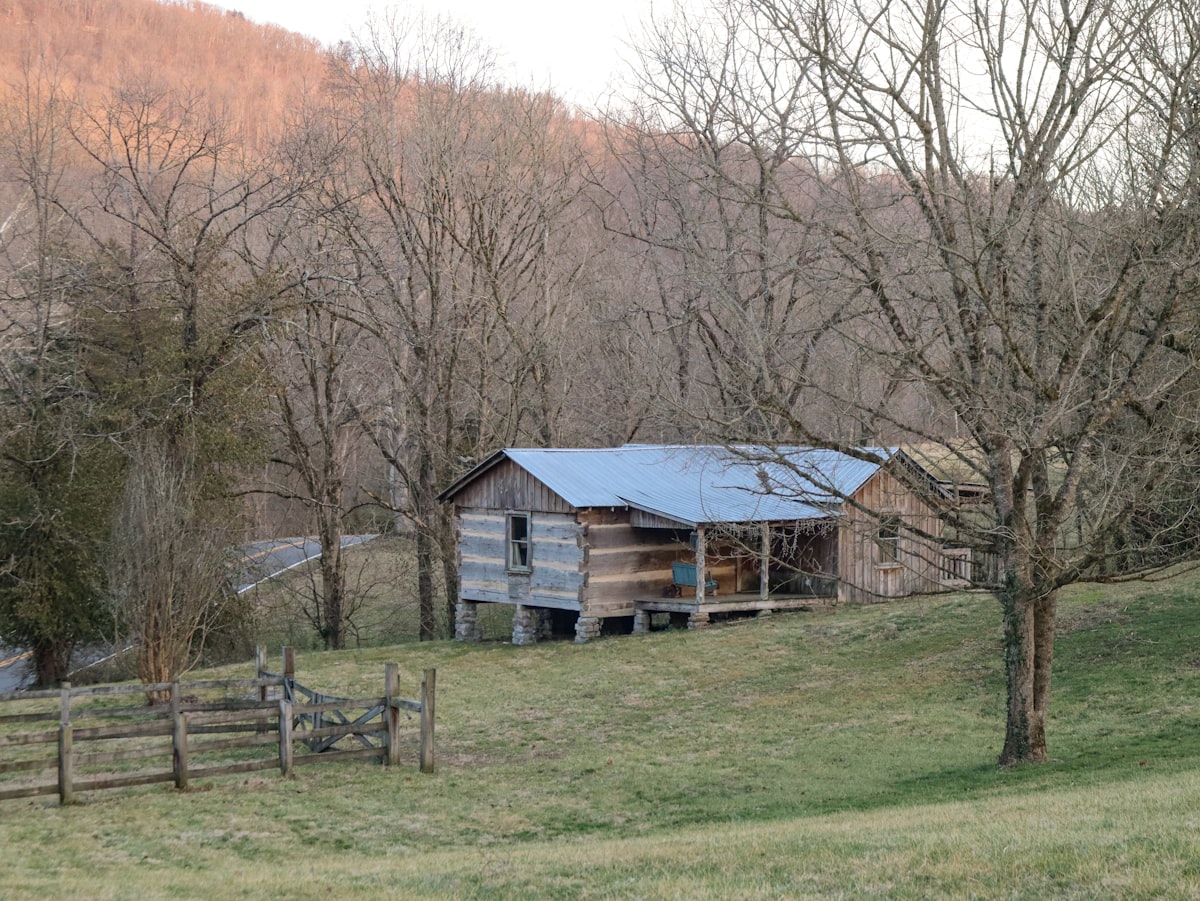
Tennessee's housing stock stretches from the Smoky Mountain cabins in Gatlinburg to century-old Victorians in Memphis, post-war ranchers across Knoxville's suburbs, and new-build subdivisions spreading south of Nashville at breakneck speed. Humidity, termites, crawl spaces, and tornado-zone construction are just Tuesday around here. This guide covers the full licensing process, what it'll cost, how long it takes, and the Tennessee-specific challenges that'll define your inspection career.
Why Tennessee Is a Strong Market for Home Inspectors
Tennessee is the 16th most populous state with approximately 7.1 million residents, and it's one of the fastest-growing states in the Southeast. Nashville has become a relocation magnet — the metro area adds roughly 80–100 people per day. Knoxville, Chattanooga, Clarksville, and the Memphis metro all have active real estate markets with steady transaction volume year-round.
Note
Tennessee sees roughly 120,000+ home sales annually. The median home price statewide sits around $350,000, with Nashville metro exceeding $440,000. Memphis and Knoxville remain more affordable at $220,000–$300,000. Inspection fees typically range from $300–$475 for a standard single-family home, with Nashville commanding the higher end.
Tennessee has no state income tax, which is a huge draw for both relocating homebuyers and inspectors looking to keep more of what they earn. The combination of population growth, affordable housing relative to coastal markets, and a four-season climate that creates real wear and tear on structures makes Tennessee one of the better states to build a sustainable inspection business.
Add-on services like termite inspections and crawl space inspections are in high demand here — many agents expect them as part of the standard package.
Step 1: Understand Tennessee's Licensing Requirements
Tennessee regulates home inspectors through the Tennessee Home Inspector Board, which operates under the Department of Commerce and Insurance. The state has required licensure since 2010, and enforcement is serious — performing inspections without a license is a violation that can result in fines and legal action.
Licensing Requirements at a Glance
| Requirement | Details |
|---|---|
| Pre-license education | 90 hours (approved provider) |
| Exam | National Home Inspector Examination (NHIE) |
| Supervised inspections | 25 ride-along inspections with a licensed TN inspector |
| Insurance | E&O insurance required ($100,000 minimum) |
| Application fee | $300 (initial license) |
| License duration | 1 year (annual renewal) |
| Continuing education | 16 hours per renewal cycle |
The Tennessee Path: Education + Rides + Exam + Insurance + Application
Tennessee's framework has four pillars:
- 90 hours of approved pre-license education covering all major residential systems
- 25 supervised inspections — ride-alongs with a licensed Tennessee home inspector
- Passing the NHIE (National Home Inspector Examination)
- E&O insurance — errors and omissions coverage is required before you can apply
Compared to Texas (194 hours — see our Texas guide) or Florida (120 hours — see our Florida guide), Tennessee's 90-hour education requirement is on the lighter side. But those 25 supervised inspections add significant hands-on training that compensates for fewer classroom hours.
Step 2: Complete Pre-License Education (90 Hours)
The 90-hour pre-license education program must come from a provider approved by the Tennessee Home Inspector Board. The curriculum covers every major residential system you'll be inspecting:
- Structural components — foundations, framing, load-bearing walls, floor and roof framing systems
- Exterior — siding, trim, flashing, grading, drainage, driveways, walkways
- Roofing — coverings, flashings, gutters, chimneys, skylights, ventilation
- Plumbing — supply lines, drain/waste/vent systems, water heaters, fixtures, fuel storage
- Electrical — service entrance, panels, branch circuits, GFCI/AFCI protection, grounding
- HVAC — heating systems, cooling systems, ductwork, heat pumps, thermostats
- Interior — walls, ceilings, floors, stairs, railings, doors, windows
- Insulation and ventilation — attic insulation, vapor barriers, crawl space ventilation
- Fireplaces and solid-fuel appliances — clearances, dampers, hearth extensions
Our home inspection checklist makes a solid study companion alongside your coursework.
Approved Education Providers
Several organizations offer Tennessee-approved education:
- AHIT (American Home Inspectors Training) — Online and in-person options. Expect $500–$1,000 depending on the package.
- InterNACHI — Online coursework through membership ($49/month or $499/year). Make sure your courses carry Tennessee board approval.
- Professional Home Inspection Institute (PHII) — Online self-paced courses designed for Tennessee requirements.
Most candidates complete the 90-hour program in 2–4 weeks at a self-paced online provider, or in 2 weeks of full-time classroom instruction.
Step 3: Complete 25 Supervised Inspections
This is where Tennessee's licensing path gets practical — and where most candidates discover whether the career is really for them.
You need 25 ride-along inspections with a licensed Tennessee home inspector who agrees to supervise your training. These aren't casual tag-alongs. You should be actively participating: taking notes, operating tools, crawling through crawl spaces, climbing on roofs (when safe), and learning how your mentor approaches each system.
Finding a Mentor
- Contact local ASHI or InterNACHI chapters in your area
- Reach out directly to established inspectors in Nashville, Memphis, Knoxville, or Chattanooga
- Offer to assist for free — most mentors don't charge if you're genuinely helpful on-site
- Some education providers maintain mentor networks for their graduates
Key Takeaway
Document every ride-along with the date, property address, supervising inspector's name and license number. The Tennessee Home Inspector Board may request this documentation with your application.
Plan for the 25 inspections to take 4–8 weeks depending on your mentor's schedule and how many inspections they run per week. A busy inspector doing 2–3 per day could get you through in 2–3 weeks if you're available full-time.
Step 4: Pass the NHIE
The National Home Inspector Examination (NHIE) is administered by PSI and is the standard exam accepted by Tennessee and most other licensed states.
NHIE Details
| Detail | Info |
|---|---|
| Questions | 200 multiple-choice (175 scored, 25 pretest) |
| Time limit | 4 hours |
| Passing score | Scaled score of 500+ (out of 800) |
| Cost | $225 |
| Testing | PSI testing centers or online proctoring |
| Retake policy | No waiting period; repay exam fee each attempt |
The exam covers three major domains:
- Property and Building Inspection — structural, exterior, roofing, plumbing, electrical, HVAC, interior, insulation
- Analysis of Findings and Reporting — identifying deficiencies, understanding significance, report writing
- Professional Practice — ethics, standards of practice, business operations
Pass rates typically run around 70% on the first attempt. Study resources like the NHIE "Home Inspection Exam Prep" book and InterNACHI's free practice exams help significantly.
Step 5: Secure E&O Insurance
Tennessee requires errors and omissions (E&O) insurance with a minimum of $100,000 in coverage before you can apply for your license. Most carriers also bundle general liability insurance, which you'll want regardless.
Recommended Providers
- FREA (First Realty Exchange Association) — Popular with InterNACHI members. E&O + GL packages start around $1,500–$2,000/year.
- InspectorPro Insurance — Specializes in home inspector coverage. Plans start around $1,200/year for new inspectors.
- Allen Insurance Group — Another inspector-focused carrier with competitive rates.
For a deeper dive into inspector insurance, check out our home inspector insurance guide.
Note
New inspectors typically pay more for E&O coverage in their first 1–2 years. Rates decrease as you build a claim-free track record. Budget $1,500–$2,500 annually when you're starting out.
Step 6: Apply for Your Tennessee License
Once you've completed education, ride-alongs, the NHIE, and secured insurance, you're ready to apply through the Tennessee Home Inspector Board.
Application Requirements
- Completed application form (available on the TN Commerce website)
- Proof of 90 hours of approved education
- Documentation of 25 supervised inspections
- NHIE passing score report
- Proof of E&O insurance ($100,000 minimum)
- Application fee: $300
- Background check (fingerprinting required)
Processing typically takes 2–4 weeks once all documents are submitted. Tennessee licenses are valid for one year with annual renewal.
Total Cost and Timeline
Cost Breakdown
| Item | Estimated Cost |
|---|---|
| Pre-license education (90 hrs) | $500–$1,000 |
| NHIE exam fee | $225 |
| E&O insurance (first year) | $1,500–$2,500 |
| Application fee | $300 |
| Tools and equipment | $500–$1,000 |
| Total | $3,025–$5,025 |
Timeline
| Phase | Duration |
|---|---|
| Education (90 hours) | 2–4 weeks |
| Supervised inspections (25) | 4–8 weeks |
| NHIE prep and exam | 2–3 weeks |
| Insurance + application | 2–4 weeks |
| Total | 10–19 weeks |
Most motivated candidates complete the entire process in about 3–4 months. If you can do education and ride-alongs concurrently, you could compress this to 8–10 weeks.
Step 7: Continuing Education and Renewal
Tennessee requires 16 hours of continuing education per year to renew your license. The renewal fee is $300 annually.
CE courses must be approved by the Tennessee Home Inspector Board and should cover topics like:
- New code updates (IRC, NEC changes)
- Advanced inspection techniques
- Specialty areas (mold, radon, termites)
- Business development and marketing
- Report writing best practices
InterNACHI membership includes unlimited free CE courses that satisfy Tennessee's requirements — making the membership well worth the investment for ongoing education alone.
Tennessee-Specific Inspection Challenges
This is where the rubber meets the road. Tennessee's climate, geography, and building traditions create inspection challenges you won't fully appreciate until you're crawling under your first house in July heat.
Humidity and Moisture
Tennessee's humid subtropical climate means moisture is your constant adversary. Average relative humidity runs 70–80% for much of the year, and that moisture finds its way into everything — crawl spaces, attics, wall cavities, and basements.
What to watch for:
- Crawl space moisture — Tennessee has a staggering number of homes built over crawl spaces. Vapor barriers, ventilation, and standing water are constant issues. Our crawl space inspection guide covers the details.
- Mold and mildew — High humidity plus organic building materials equals mold. Bathrooms without proper exhaust fans, attics with inadequate ventilation, and damp crawl spaces are the usual culprits.
- Wood rot — Exterior trim, deck framing, sill plates, and floor joists in crawl spaces are prime targets. Probe with an awl — Tennessee homes will teach you to never trust paint that looks too good.
Tornado and Severe Storm Zones
Tennessee sits squarely in Dixie Alley — the southern tornado corridor that rivals the more famous Tornado Alley in Oklahoma and Kansas. Middle and West Tennessee are particularly vulnerable to severe storms, straight-line winds, and tornadoes.
Inspection implications:
- Roof damage patterns — Look for missing shingles, lifted tabs, and damaged flashing after storm seasons. Our roofing inspection checklist covers systematic roof evaluation.
- Foundation movement — Severe storms can saturate soil and cause foundation shifting, especially on Tennessee's clay-heavy soils.
- Tree damage — Mature hardwoods are everywhere in Tennessee. Look for overhanging limbs, root intrusion near foundations, and previous tree-fall damage repairs.
Termites and Wood-Destroying Organisms
Tennessee is in a moderate-to-heavy termite zone. Eastern subterranean termites are the primary concern, and they love the state's warm, humid conditions.
- Mud tubes on foundation walls, piers, and joists are the classic tell
- Damaged floor joists and sill plates in crawl spaces — probe everything
- Previous treatment evidence — look for drill holes in basement slabs and foundation walls
Many Tennessee real estate transactions require a separate termite inspection (Wood-Destroying Insect report). Offering WDI inspections as an add-on is a smart revenue stream here.
Crawl Spaces — Tennessee's Signature Challenge
If there's one thing that defines Tennessee home inspection, it's crawl spaces. A huge percentage of the state's housing stock — particularly homes built before 1990 — sits over crawl spaces rather than basements or slabs.
Common issues:
- Inadequate or missing vapor barriers
- Standing water and poor drainage
- Damaged or deteriorating floor joists
- Improperly supported HVAC ductwork
- Pest intrusion (not just termites — rodents, snakes, and other wildlife)
- Insulation falling from joist bays
Get comfortable in tight, dark, dirty spaces. A good headlamp, kneepads, Tyvek suit, and respirator are essential gear in Tennessee.
Older Homes in Nashville and Memphis
Nashville and Memphis both have significant inventory of homes built before 1970 — and many go back to the early 1900s. These older homes bring a predictable set of challenges:
- Knob-and-tube wiring — Still found in pre-1950 homes, especially in Memphis's Midtown and Nashville's East Side neighborhoods
- Galvanized steel plumbing — Corrodes from the inside out. Check water pressure and flow at multiple fixtures simultaneously.
- Original clay sewer lines — Root intrusion is extremely common. Recommending a sewer scope is standard practice for pre-1970 homes.
- Lead paint — Homes built before 1978 may have lead-based paint. Our lead paint inspection guide covers documentation requirements.
- Foundation issues — Older stone and block foundations in Nashville's historic neighborhoods settle, crack, and admit water. Our foundation inspection guide details what to look for.
Tools and Equipment for Tennessee Inspections
Beyond the standard inspector toolkit, Tennessee conditions demand some specific gear:
- Moisture meter — Non-negotiable in a high-humidity state. Pin-type and pinless models for different materials.
- Infrared/thermal camera — Invaluable for finding moisture intrusion behind walls. See our thermal imaging guide.
- Respirator (N95 or P100) — For crawl space work, especially in homes with known moisture or mold.
- Crawl space gear — Tyvek suit, kneepads, headlamp, and a good pair of coveralls you don't mind getting filthy.
- Telescoping ladder — Many Tennessee homes have steep roof pitches. A quality ladder that fits in your vehicle is essential.
Building Your Tennessee Inspection Business
Once you're licensed, the real work begins — getting clients.
Marketing Strategies That Work in Tennessee
- Real estate agent relationships — Still the #1 referral source. Focus on building relationships with top-producing agents in your market area.
- Online presence — A professional website and active Google Business Profile are table stakes. See our home inspector marketing guide for detailed strategies.
- Niche services — Offering radon testing, termite inspections, and sewer scopes as add-ons immediately differentiates you from inspectors who only do the basic walkthrough.
- Review generation — Tennessee homebuyers check Google reviews. Ask every satisfied client to leave one.
Income Expectations
Tennessee home inspectors typically earn:
- Year 1: $30,000–$50,000 (building your client base)
- Year 2–3: $50,000–$75,000 (established referral network)
- Experienced (5+ years): $75,000–$120,000+ (especially with add-on services)
For more on inspector compensation, check our how much do home inspectors make breakdown.
Start Documenting From Day One
The inspection itself is only half the job — the other half is the report. Tennessee clients expect detailed, professional reports with clear photos and straightforward language. Whether you're using traditional software or a modern voice-to-report approach, your documentation needs to be thorough, consistent, and defensible.
If you're looking to speed up your reporting workflow without sacrificing quality, ReportWalk lets you narrate findings as you inspect and generates structured reports from your voice notes. It's built for iOS and designed for inspectors who'd rather talk through findings than type on a tiny screen while standing in a crawl space. Worth checking out as you build your Tennessee inspection business.
Tennessee is a fantastic state to launch a home inspection career. The combination of steady population growth, diverse housing stock, and year-round demand makes it one of the more forgiving markets for new inspectors. Get licensed, get crawl-space-comfortable, and get after it.