How to Become a Home Inspector in Ohio: Complete 2026 Guide
If you're looking into how to become a home inspector in Ohio, here's the good news: Ohio is one of the more straightforward states to get started in. The licensing requirements are clear, the training path is well-defined, and the market — especially in metros like Columbus, Cleveland, Cincinnati, and Dayton — has steady demand driven by a housing stock that skews older and needs more inspections, not fewer.
This guide covers everything from pre-licensing education through building a sustainable business. No filler, no generic advice. Just the Ohio-specific steps and the practical knowledge that'll save you time and mistakes.
Ohio Home Inspector Licensing Requirements
Ohio regulates home inspectors through the Ohio Division of Real Estate & Professional Licensing, which falls under the Ohio Department of Commerce. Here's what you need:
Basic Eligibility
- Be at least 18 years old
- Have a high school diploma or GED
- Pass a criminal background check (BCI & FBI fingerprint check)
- No felony convictions that the licensing board deems disqualifying
Pre-Licensing Education: 120 Hours
Ohio requires 120 hours of pre-licensing education from an approved education provider. This breaks down into:
- Classroom or online coursework covering all major home systems (structural, electrical, plumbing, HVAC, roofing, exterior, interior, insulation, ventilation)
- Field training/parallel inspections — a portion of the 120 hours must include hands-on, in-field experience
Note
Ohio's 120-hour requirement is moderate compared to other states. Texas requires 448 hours. Florida requires 120 hours plus a state exam. California requires zero (no state license required). Ohio hits the middle ground — enough training to be competent, not so much that it's a barrier to entry.
Approved Education Providers
The Ohio Division of Real Estate maintains a list of approved providers. Some of the most commonly used:
- AHIT (American Home Inspectors Training) — offers both online and in-person Ohio-specific courses
- ATI (All American Training Institute) — home-study and live options
- ICA School (Inspection Certification Associates) — online, self-paced
- Kaplan Real Estate Education — established provider with Ohio-approved curriculum
When choosing a provider, prioritize those that include field training components. The classroom material teaches you what to look for. The field training teaches you how to actually find it.
The Exam: Ohio Home Inspector Examination
After completing your 120 hours, you need to pass the National Home Inspector Examination (NHIE) — Ohio uses this standardized test rather than a state-specific exam.
NHIE Details:
- Format: 200 multiple-choice questions (175 scored, 25 pretest questions that don't count but you won't know which are which)
- Time: 4 hours
- Passing score: State-specific, but Ohio aligns with the national standard (scaled score)
- Cost: $225 per attempt
- Where: Pearson VUE testing centers throughout Ohio (Columbus, Cleveland, Cincinnati, Akron, Toledo, Dayton)
- Prep resources: NHIE Study Guide (from EBPHI), practice exams from your education provider, Carson Dunlop practice tests
Exam Tips from Inspectors Who've Passed:
- The NHIE tests your ability to identify defects and recommend action — not your knowledge of building codes
- Focus on safety hazards — the exam loves questions about what constitutes a safety issue vs. a maintenance item
- Know the Standards of Practice cold — ASHI or InterNACHI, the concepts are the same
- Don't overthink it. If a question describes a hazard, the answer is almost always "recommend further evaluation by a qualified specialist"
License Application
Once you've passed the NHIE and completed your education:
- Submit your application to the Ohio Division of Real Estate
- Include proof of completed education (certificate/transcript)
- Include your NHIE score report
- Submit fingerprints for BCI & FBI background check
- Pay the application fee ($150 for the initial license)
- Provide proof of general liability insurance (minimum $300,000 per occurrence) and errors & omissions insurance
Your license is valid for 2 years and renewal requires continuing education.
Continuing Education Requirements
Ohio requires 40 hours of continuing education per 2-year renewal cycle. This must include:
- Approved coursework related to home inspection
- At least some hours in Ohio-specific topics (code changes, regulatory updates)
- CE must be completed through approved providers
Key Takeaway
Join a professional association (ASHI or InterNACHI) early. Both offer continuing education courses that count toward Ohio's CE requirements, and the networking alone is worth the membership fee. Ohio has active ASHI chapters in most major metros.
Total Costs: What to Budget
Here's the realistic cost breakdown for getting started in Ohio:
| Item | Cost |
|---|---|
| Pre-licensing education (120 hours) | $1,500 – $3,500 |
| NHIE exam fee | $225 |
| License application fee | $150 |
| Background check (BCI & FBI) | $50 – $75 |
| General liability insurance (annual) | $500 – $1,200 |
| E&O insurance (annual) | $1,200 – $2,500 |
| Basic tools and equipment | $500 – $1,500 |
| Business setup (LLC, website, cards) | $500 – $1,000 |
| Total to get started | $4,625 – $10,150 |
The range is wide because education costs vary significantly. Online self-paced courses run $1,500-$2,000. In-person programs with extensive field training can hit $3,500. The field training is worth the premium — you'll be more confident and make fewer mistakes on your first solo inspections.
Essential Tools and Equipment
You don't need everything on day one, but you do need the basics:
Must-Have from Day One:
- Electrical tester (3-light outlet tester + non-contact voltage detector)
- Moisture meter (pin-type minimum; pinless is a worthwhile upgrade)
- Flashlight (headlamp + handheld — you'll use both constantly)
- Ladder (telescoping for portability; 13-foot minimum for single-story roofs)
- Infrared thermometer (or thermal camera if budget allows)
- Safety equipment: GFCI-protected extension cord, dust mask/respirator, safety glasses, gloves
Add Within the First 6 Months:
- Thermal imaging camera (FLIR ONE or similar — game-changer for moisture and insulation issues)
- Carbon monoxide detector
- Gas leak detector
- Drone for roof inspections (optional but increasingly expected)
Ohio-Specific Inspection Considerations
Every state has its quirks. Ohio has several that affect your inspections daily:
Older Housing Stock
Ohio's median home age is significantly older than the national average. You'll encounter:
- Knob-and-tube wiring in pre-1940s homes (Cleveland, Cincinnati, and smaller towns have extensive stock)
- Galvanized steel plumbing — corroding from the inside, reducing water flow
- Stone and rubble foundations — no two are the same, and they all move
- Clay tile sewer laterals — prone to root intrusion and joint separation
- Lead paint — virtually guaranteed in any pre-1978 home
Understanding older construction methods isn't optional in Ohio. It's the core of the job.
Climate Considerations
Ohio's climate creates specific inspection priorities:
- Ice damming: Freeze-thaw cycles in northern Ohio (Cleveland, Akron, Toledo) cause ice dams that lead to attic and wall water intrusion
- Basement moisture: Ohio's clay-heavy soils hold water against foundations. Wet basements are arguably the most common finding in Ohio home inspections
- HVAC stress: Hot summers and cold winters mean both heating and cooling systems get heavy use. Check them both carefully — a system that works in October may fail in January
- Radon: Ohio has elevated radon risk, particularly in the western and central parts of the state. While radon inspection is a separate service, understanding it gives you an ancillary revenue stream
Common Ohio Building Practices
- Slab-on-grade construction in newer developments, full basements in older neighborhoods
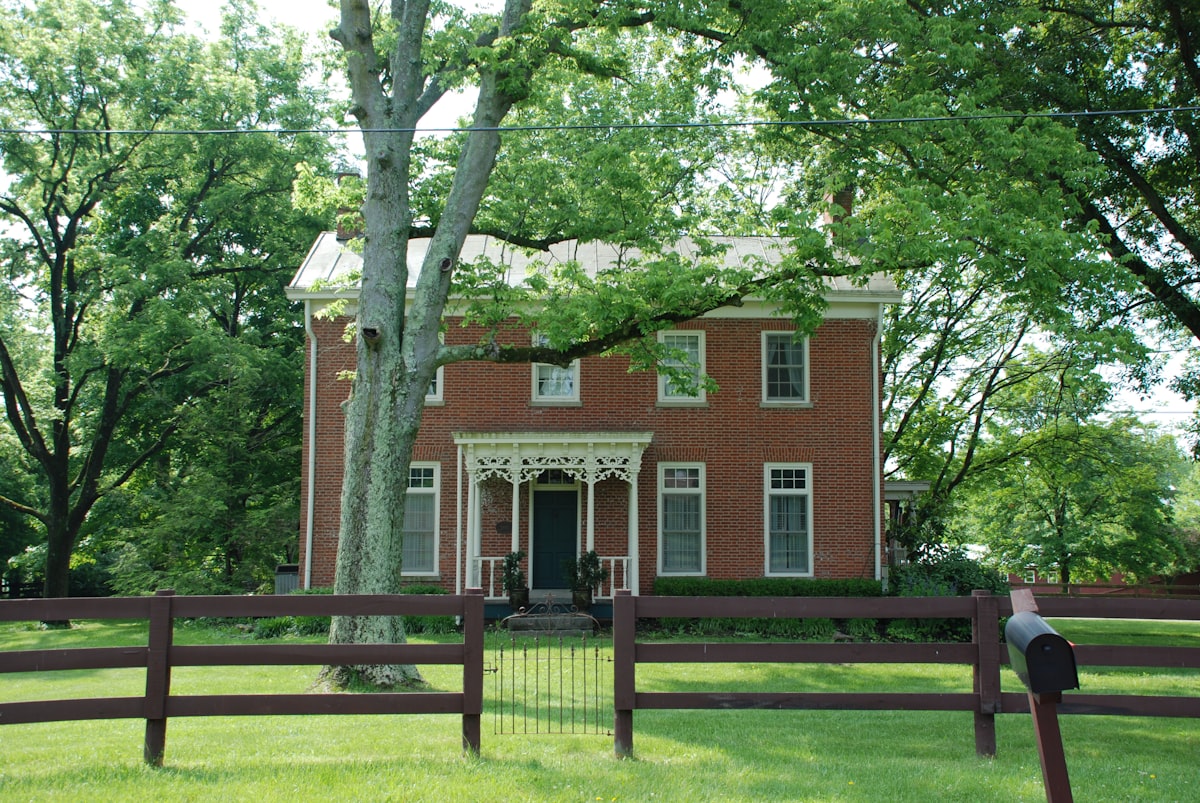
- Brick veneer is extremely common — check weep holes, flashing, and mortar condition
- Forced-air heating dominates — know furnaces and ductwork inside and out
- Municipal point-of-sale inspections in some cities (Cleveland, Lakewood, others) — understand how your inspection relates to and differs from these
Building Your Business in Ohio
Getting the license is step one. Building a sustainable business is where the real work begins.
Market and Earnings
Ohio home inspectors typically earn:
- Year 1: $30,000 – $50,000 (building your client base, doing 150-250 inspections)
- Year 2-3: $50,000 – $80,000 (established referral network, faster at inspections and reports)
- Experienced (5+ years): $75,000 – $120,000+ (with ancillary services like radon, termite, sewer scope)
For context, the national picture is covered in our how much do home inspectors make breakdown.
Pricing in Ohio varies by market:
- Columbus metro: $350 – $500 for a standard single-family home
- Cleveland metro: $300 – $450
- Cincinnati metro: $325 – $475
- Smaller markets: $250 – $400
Getting Your First Clients
Your first 50 inspections are the hardest to book. Here's what works in Ohio:
-
Real estate agent outreach: Visit offices in person. Bring your credentials, your sample report, and a one-page summary of what makes your inspection thorough. Agents in Ohio rotate through inspectors — getting on 5-10 agents' short lists is enough to stay busy.
-
Real estate agent CE events: In Ohio, agents need continuing education too. Some inspection companies offer free CE lunch-and-learns. This positions you as the expert and gets you in front of 20-30 agents at once.
-
Google Business Profile: Set it up on day one. Ohio homebuyers Google "home inspector near me" constantly. Reviews are currency — ask every satisfied client.
-
Join local ASHI chapter or InterNACHI: Ohio ASHI chapters (Buckeye Chapter, Northeast Ohio Chapter) hold regular meetings. The experienced inspectors remember what it was like to start out and many will mentor informally.
Ancillary Services Worth Adding
These add revenue per inspection without requiring a separate trip:
- Radon testing: $125-$175 additional per test. Ohio has elevated radon levels in many areas. Get trained, buy the continuous radon monitors, and offer it with every inspection.
- WDI (Wood Destroying Insect) inspections: Required for many VA and FHA loans. Separate certification required in Ohio.
- Sewer scope inspections: $125-$200 additional. Extremely valuable in Ohio's older cities where clay tile laterals are failing. Our sewer scope inspection guide covers the full protocol.
- Mold screening: Basic moisture assessment and visual screening. Refer out for sampling and remediation.
Writing Efficient Reports
The inspection takes 2-3 hours. The report can take another 2-3 if you're not efficient about it. That's half your productive time spent typing instead of inspecting.
New inspectors especially struggle with report writing because they're trying to describe complex findings in text while working from memory and phone photos taken hours earlier.
A growing number of Ohio inspectors use voice-based reporting tools like ReportWalk to document findings on-site — speaking observations as they inspect, with the app converting voice into structured report narratives. When you're in a cramped basement checking the electrical panel, dictating "double-tapped breaker on 20-amp circuit, positions 7 and 9, recommend evaluation by licensed electrician" is faster and more accurate than trying to type it later.
Whatever reporting method you choose, the goal is the same: document thoroughly, report clearly, and don't let the paperwork eat your profit margin.
The Path Forward
Becoming a home inspector in Ohio is achievable in 3-6 months from start to licensed. The training is manageable, the exam is passable with preparation, and the market has room for inspectors who are thorough, professional, and responsive.
The inspectors who build lasting businesses in Ohio share a few traits: they're obsessive about documentation, they build genuine relationships with agents and clients, they add ancillary services strategically, and they never stop learning about older construction — because in Ohio, that's most of the housing stock.
Start with the education, pass the exam, get insured, and do your first inspection. Everything after that is refinement.