Home Inspection Report: What's Included & How to Read One
You just got your home inspection report. It's 47 pages long. There are 200 photos, dozens of "deficiencies," color-coded severity ratings, and enough technical jargon to make your head spin.
Your realtor says "nothing major." Your parents say "walk away." Your partner is panicking about the foundation crack on page 31.
Nobody taught you how to read this thing.
That's the dirty secret of home inspections. The report is the single most important document in a home purchase — it's the one time a trained professional crawls through every system in the house and tells you what's actually going on. But most buyers don't know what they're looking at, so they either ignore findings that matter or panic over things that don't.
Let's fix that.
What a Home Inspection Report Actually Covers
A standard home inspection follows a scope defined by organizations like ASHI (American Society of Home Inspectors) or InterNACHI (International Association of Certified Home Inspectors). The inspector evaluates the visible and accessible components of the home's major systems.
Here's what's included:
Structural Components
- Foundation (cracks, settling, moisture intrusion)
- Floor structure (joists, beams, subfloor)
- Wall structure (load-bearing walls, framing)
- Ceiling structure
- Roof structure (rafters, trusses — from attic access)
The inspector is looking for signs of movement, failure, or damage. A hairline crack in the foundation isn't the same as a stair-step crack that's actively widening. The report should tell you which one you're dealing with.
Exterior
- Siding and trim condition
- Grading and drainage (does water flow away from the house?)
- Driveways and walkways
- Porches, decks, and balconies (structural integrity and safety)
- Exterior doors and windows
- Vegetation proximity to the structure
Grading is one of the most overlooked findings. If the ground slopes toward the foundation, you're getting water intrusion eventually. It's also one of the cheapest fixes — a few hundred dollars in dirt and labor.
Roofing
- Roof covering material and condition
- Estimated remaining life
- Flashings (where the roof meets walls, chimneys, vents)
- Gutters and downspouts
- Skylights
- Signs of leaking from interior
Note
The roof is typically the most expensive single component of a house. A full replacement runs $8,000-$25,000+ depending on size and material. "5-7 years of remaining life" in a report means you're budgeting for that replacement.
Plumbing
- Water supply lines (material and condition)
- Drain, waste, and vent pipes
- Water heater (age, capacity, condition)
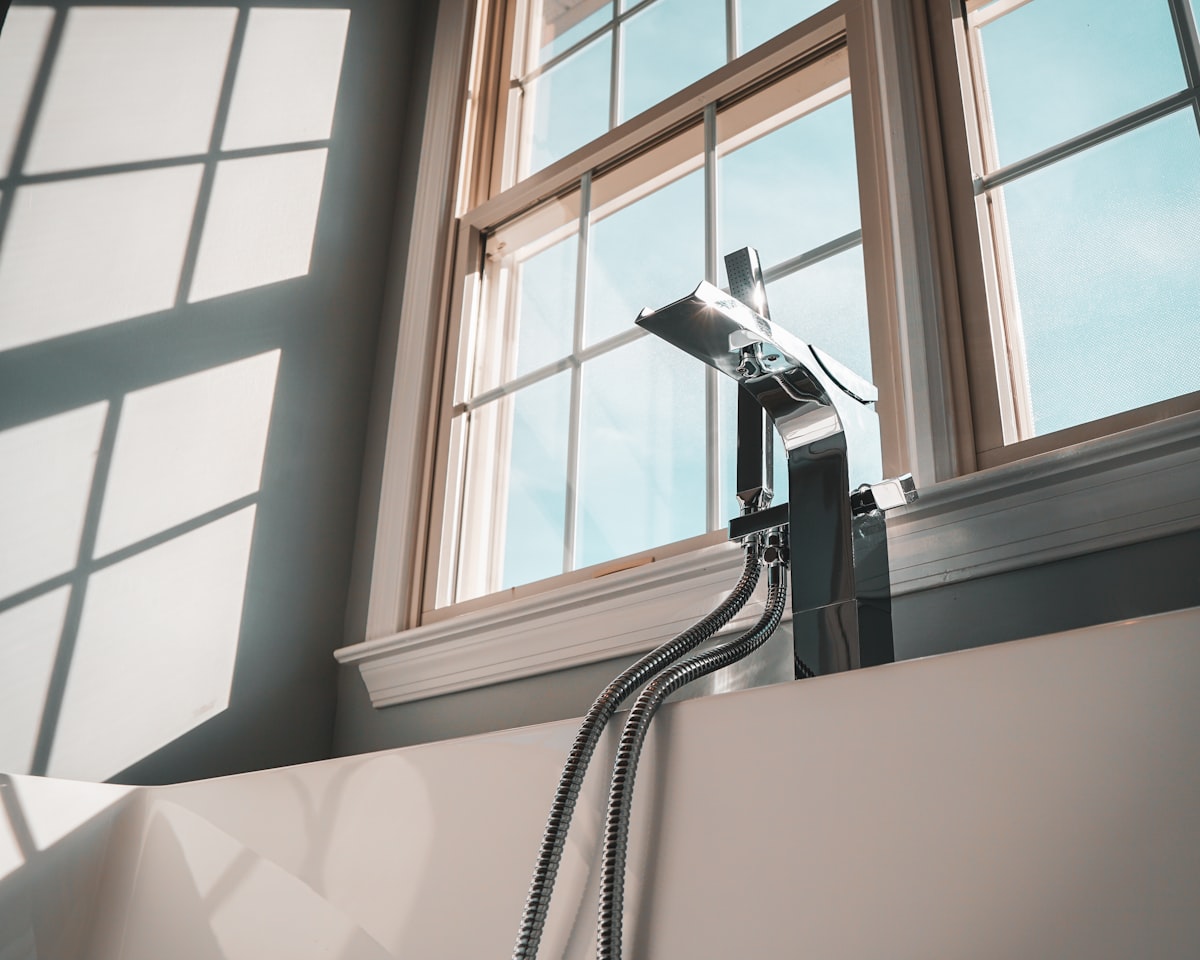
- Fixtures and faucets
- Water pressure
- Functional flow (running multiple fixtures simultaneously)
- Visible signs of leaks
The water heater age matters more than most buyers realize. A 12-year-old tank water heater is near end-of-life. Replacement: $1,200-$2,500. The inspector should note the manufacture date.
Electrical
- Service entrance and capacity (100 amp, 200 amp, etc.)
- Main panel condition and wiring
- Branch wiring type (copper, aluminum, knob-and-tube)
- GFCI protection in required locations (bathrooms, kitchen, garage, exterior)
- AFCI protection where required by current code
- Outlets, switches, and fixtures (random sampling)
- Smoke and carbon monoxide detectors
Aluminum branch wiring (common in homes built 1965-1975) is a finding that scares buyers. It's manageable with proper connections (COPALUM or AlumiConn connectors), but the repair isn't free.
HVAC
- Heating system type, age, and condition
- Cooling system type, age, and condition
- Ductwork (visible portions)
- Thermostat operation
- Air filters
- Temperature differential (supply vs. return air)
HVAC systems last 15-20 years on average. The report should note the age. If the furnace is 18 years old, you're likely replacing it within a few years — budget $3,000-$7,000.
Interior
- Walls, ceilings, and floors (cracks, stains, damage)
- Windows (operation, seals, condensation between panes)
- Doors (operation, hardware)
- Stairs and railings (safety)
- Fireplaces and chimneys (basic assessment)
- Garage (door operation, fire separation, auto-reverse safety)
Condensation between double-pane windows means the seal has failed. It's cosmetic, not structural, but window replacement costs $300-$800 per window.
Insulation and Ventilation
- Attic insulation type and depth
- Attic ventilation (soffit vents, ridge vents, gable vents)
- Vapor barriers in crawlspace
- Bathroom exhaust (vented to exterior?)
A bathroom fan that vents into the attic instead of outside is dumping moisture where it causes mold and rot. Common finding, cheap fix, but important.
What's NOT Included
This trips up every buyer. A standard home inspection is visual and non-invasive. The inspector doesn't:
- Move furniture to see behind it
- Open walls or ceilings
- Dig around the foundation
- Test for mold, radon, lead, or asbestos (these are separate, specialized tests)
- Inspect the sewer line (requires a separate sewer scope)
- Evaluate the well or septic system (separate inspections)
- Provide cost estimates for repairs
- Predict future failures
- Inspect for code compliance (they note safety concerns, not code violations)
If you're buying a home built before 1978, consider a lead paint inspection. If there's a crawlspace, consider radon testing. If the home has a septic system, get it pumped and inspected separately. If there are mature trees near the sewer line, get a sewer scope.
The home inspection is the starting point, not the final word.
How to Read the Report Without Losing Your Mind
Step 1: Read the Summary First
Most modern reports include a summary page at the front that highlights the significant findings. Start here. This tells you what the inspector considers noteworthy.
Look for findings categorized as:
- Safety Hazard: Something that could cause injury or death right now. Examples: missing GFCI protection, no handrail on stairs, double-tapped breakers, gas leaks.
- Major Defect: Something that's expensive to repair, affects habitability, or will get worse if ignored. Examples: roof at end-of-life, active foundation movement, failed heating system.
- Repair Item: Something that needs fixing but isn't urgent or expensive. Examples: leaky faucet, sticking window, damaged weatherstripping.
- Maintenance Item: Something for your to-do list. Examples: clean gutters, service HVAC, seal deck.
- Informational: "Here's what you have." Examples: type of wiring, age of roof, insulation R-value.
Focus your negotiation on Safety Hazards and Major Defects. Everything else is normal homeowner maintenance.
Step 2: Separate "Scary" from "Expensive"
Not everything that sounds alarming actually costs money to fix. And not everything that sounds minor is cheap.
Sounds scary, usually isn't:
- "Evidence of past moisture intrusion" (staining without active leak — could be a resolved issue)
- "Minor settlement cracks in foundation" (hairline cracks in concrete are normal)
- "Reverse polarity at outlet" ($5 fix — just rewiring a single outlet)
Sounds minor, can be expensive:
- "The roof has approximately 3-5 years of remaining useful life" (you're spending $15K soon)
- "Galvanized steel supply pipes" (eventual full re-pipe: $5,000-$15,000)
- "Single-pane windows throughout" (full window replacement: $10,000-$30,000)
Step 3: Look at the Photos
A good report includes photos of every significant finding. Look at them. A photo of a crack tells you more than a paragraph describing it. You can also show photos to a specialist for a second opinion.
Step 4: Understand What's Normal for the Age
A 1960s home will have different findings than a 2020 home. That's not a red flag — it's reality.
Normal for homes built before 1980:
- No GFCI outlets (didn't exist until the 1970s and took decades to become required everywhere)
- 100-amp electrical service (adequate for the era, may need upgrade if you add major appliances)
- Single-pane windows
- Limited insulation
- Cast iron drain pipes (they last 50-75 years, then they don't)
Actually concerning regardless of age:
- Active water intrusion anywhere
- Foundation movement that's ongoing (not historic settling)
- Electrical panel brands with known defects (Federal Pacific, Zinsco)
- Mold growth (visible)
- Gas appliances that don't vent properly
Step 5: Identify the Deal-Breakers
In 15+ years of inspections, here's what actually kills deals — and what should:
Walk-away findings (rare but real):
- Significant structural failure (foundation wall bowing inward, major beam failure)
- Active sinkhole activity
- Environmental contamination (underground storage tank, adjacent industrial site)
- Knob-and-tube wiring that's been buried in insulation (fire hazard that's expensive to remediate)
Negotiate hard on:
- Roof replacement (you can get a credit or have the seller replace)
- HVAC replacement (same approach)
- Electrical panel replacement (Federal Pacific, Zinsco, or any panel that's unsafe)
- Plumbing defects that affect habitability (no hot water, sewer line issues)
- Foundation repairs (get a structural engineer's opinion first)
Don't sweat:
- Cosmetic issues (cracked tiles, scuffed floors, peeling paint on trim)
- Minor maintenance items (caulking, weatherstripping, dripping faucets)
- "Outdated" but functional systems (your almond-colored appliances work fine)
Key Takeaway
A home inspection isn't a pass/fail test. Every house has findings. The question isn't "is this house perfect?" — it's "do I understand what I'm buying, and am I okay with the costs and risks?"
How to Use the Report in Negotiations
The inspection report is a negotiation tool — but use it wisely. Asking for every minor repair makes you look unreasonable and can tank a deal.
Best approach:
- Pick the 3-5 biggest items (safety hazards + major defects)
- Get repair estimates from licensed contractors (not just the inspector's notes)
- Ask for a credit, not repairs. Seller repairs are done as cheaply as possible. A credit lets you choose the contractor and quality level.
- Frame it around safety and major systems. "The electrical panel is a known fire hazard" is a stronger negotiation point than "the deck boards are splintering."
Most sellers expect some negotiation after inspection. It's built into the process. But the buyers who win are the ones who focus on what matters and let the small stuff go.
What Makes a Good Report vs. a Bad One
Not all inspection reports are created equal. Here's what separates professionals:
A good report:
- Uses clear, specific language ("the hot water faucet at the master bathroom sink has significantly reduced flow" vs. "plumbing issues noted")
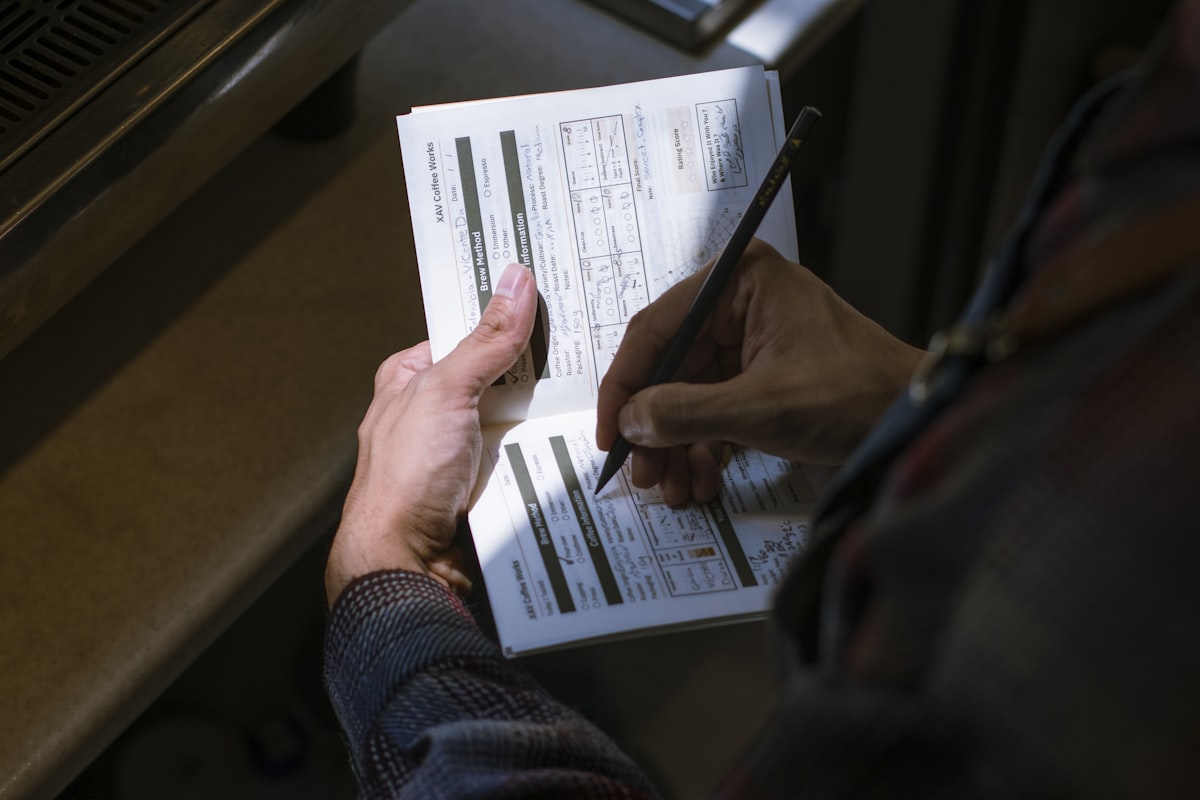
- Includes photos of every significant finding with descriptive captions
- Explains why a finding matters, not just what it is
- Provides context ("this is typical for homes of this age" or "this should be addressed before winter")
- Organizes by system with a clear summary
- Distinguishes between different severity levels
A bad report:
- Uses vague language or generic pre-written descriptions
- Has few or no photos
- Lists findings without context or explanation
- Uses excessive jargon without defining terms
- Buries significant findings among dozens of minor items
- Doesn't help you understand what's important
The best reports read like a knowledgeable friend walked through the house with you and explained everything they saw. The worst read like a legal document designed to cover the inspector's liability.
How Technology is Changing Reports
Traditional inspection reports were assembled from templates and pre-written narrative libraries. The inspector selected checkboxes, chose canned descriptions, and maybe edited them slightly. The result: accurate but generic. Every water heater finding reads the same way because it is the same pre-written paragraph.
Modern AI-powered tools are changing this. Voice-to-report technology lets inspectors narrate their actual observations — the specific details, the nuances, the things they notice that don't fit into a checkbox. The AI handles structure and formatting, so the inspector focuses on what they're actually seeing.
The result is a report that's both professional in structure and specific to your house. Not a template with blanks filled in — a custom document generated from an expert's observations.
The Bottom Line
Your home inspection report is trying to tell you a story: here's what this house is made of, here's what's working, here's what isn't, and here's what you should think about.
Read the summary first. Focus on the expensive stuff and the safety stuff. Understand what's normal for the age. Use the big findings in negotiation and let the small stuff go.
And if you don't understand something in the report — call the inspector. A good one will walk you through any finding on the phone. That's part of what you paid for.
ReportWalk helps field professionals create detailed, specific inspection reports using voice-powered AI. Walk the property, speak your findings, get a client-ready report in minutes. Available for iOS.