Asbestos Inspection: What to Check & How to Document Findings
Asbestos inspection is one of those areas where knowing what you're looking at — and knowing where your scope ends — can make or break your credibility. As a home inspector, you're not a certified asbestos abatement professional. But you are the first set of trained eyes on a property, and clients expect you to flag what matters. This guide covers where to look, what to document, and how to write it up without overstepping your authority.
Why Asbestos Still Shows Up in the Field
The EPA banned most asbestos-containing products in stages between the late 1970s and 1989 — but the ban was partially overturned in 1991. That means asbestos-containing materials (ACM) were used in residential construction well into the 1980s, and some products containing asbestos were still manufactured after that.
If the home was built before 1990, assume ACM could be present until proven otherwise. Even homes built in the early '90s occasionally have asbestos-containing materials sourced from older inventory.
For inspectors working older housing stock — and that's most of us — this isn't a rare find. It's a regular part of the job.
Where to Look: Common ACM Locations
Your asbestos inspection should cover these high-probability areas in every pre-1990 home. You don't need to test — that's outside your scope — but you need to identify and document suspected materials.
Popcorn Ceilings (Textured Spray-On)
Textured ceilings applied before 1980 are the single most common source of asbestos in residential properties. The spray-on acoustic texture often contained chrysotile asbestos at concentrations of 1–10%.
What to look for:
- Bumpy, cottage-cheese-style texture on ceilings
- Patchy repairs where texture color or pattern doesn't match (previous homeowner may have scraped some areas)
- Water staining or peeling — damaged popcorn ceiling is a bigger concern because disturbed ACM releases fibers
Document it as: "Textured ceiling coating observed throughout [rooms]. Material is consistent with spray-applied acoustic texture common in homes of this era. Recommend testing by a qualified asbestos professional prior to any renovation or removal."
Pipe Insulation and Duct Wrap
Basement mechanical rooms are where you'll find the most obvious asbestos insulation. Look at:
- Hot water pipes wrapped in white or gray corrugated paper-like material
- Boiler and furnace duct connections with white tape or mudded joints
- Older HVAC duct wrap that appears fibrous or chalky
The classic sign is a white, chalky, corrugated wrap on heating pipes — especially near the boiler or furnace. If the insulation is damaged, fraying, or crumbling, note that specifically. Damaged ACM is the real hazard.
Document it as: "Suspected asbestos-containing insulation observed on [location] piping. Material appears [intact/damaged/friable]. Recommend evaluation and testing by a licensed asbestos inspector before disturbance."
Floor Tiles and Mastic
9x9-inch floor tiles are almost always asbestos-containing. The 12x12 tiles from the same era frequently are too. But it's not just the tile — the black adhesive (mastic) underneath is often ACM as well.
What to look for:
- 9x9 tiles anywhere in the home (basement, kitchen, utility rooms)
- 12x12 tiles in older homes, especially if they're brittle or cracking
- Black tar-like adhesive visible at tile edges or where tiles have come up
- Layered flooring — newer vinyl over older tile is common and the bottom layer may be ACM
Document it as: "Floor tiles consistent with asbestos-containing vintage flooring observed in [rooms]. Tiles appear [intact/damaged]. If removal or renovation is planned, recommend asbestos testing prior to disturbance."
Vermiculite Insulation (Attic)
Vermiculite attic insulation is the one that scares homeowners the most. The Libby, Montana mine (Zonolite brand) supplied roughly 70% of the U.S. vermiculite market, and that mine was contaminated with tremolite asbestos.
What to look for:
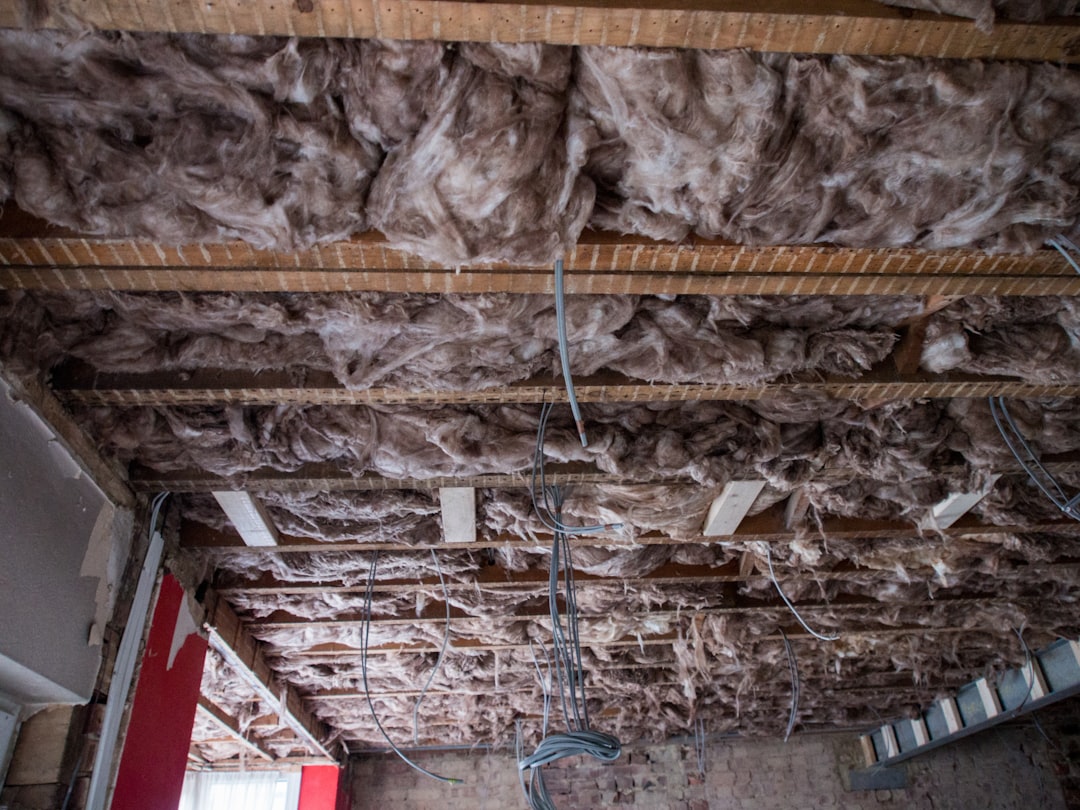
- Small, accordion-shaped granules in the attic — gray-brown or silver-gold
- Often found loose-fill between joists
- Sometimes mixed with or buried under newer blown-in insulation
Not all vermiculite contains asbestos. But the EPA recommends treating all vermiculite insulation as if it does until tested. Do not disturb it, walk on it, or blow it around.
Document it as: "Vermiculite insulation observed in attic space. Due to the known association between vermiculite insulation and asbestos contamination (EPA guidance), recommend testing by a qualified professional. Material should not be disturbed until testing is complete."
Other Locations to Check
Don't overlook these less obvious spots:
- Cement siding (transite): Fiber-cement panels on exterior walls — hard, brittle, gray sheets
- Window glazing and caulk: Older putty compounds sometimes contained asbestos
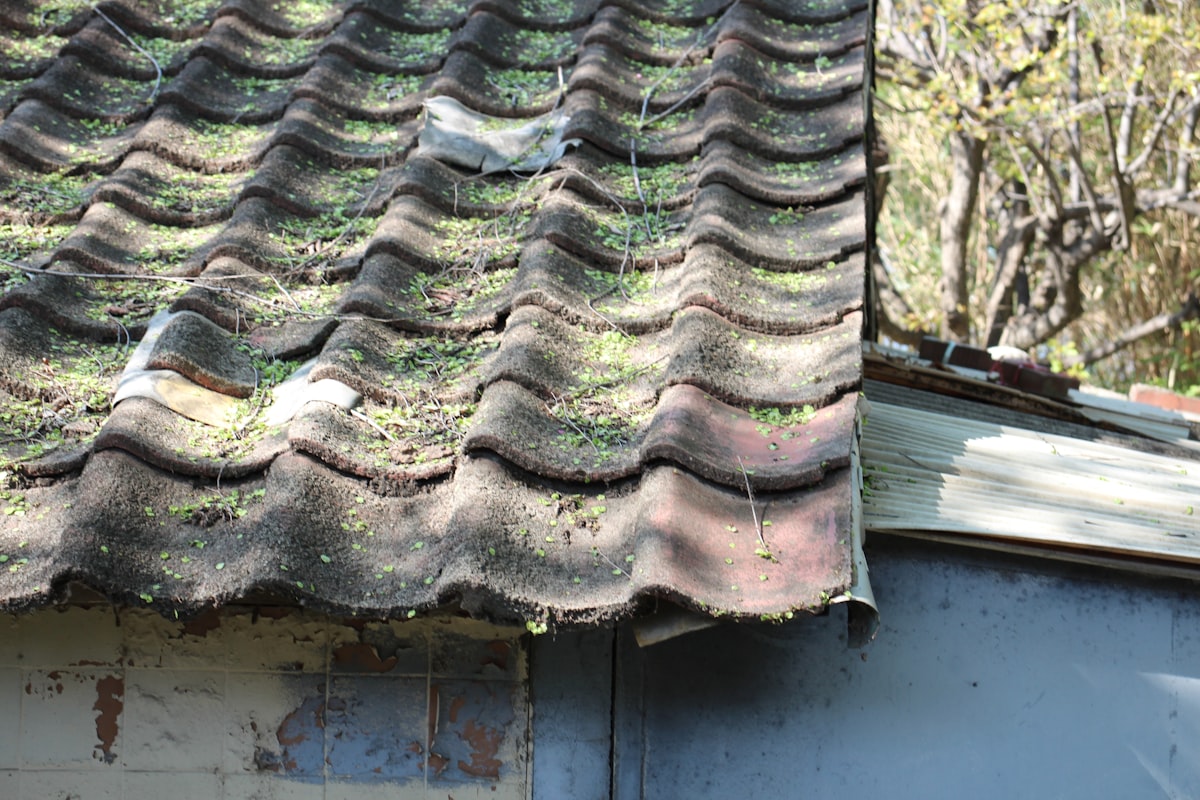
- Roof shingles and felt: Pre-1980 roofing materials, especially three-tab shingles
- Drywall joint compound: Harder to spot, but pre-1980 joint compound sometimes contained asbestos fibers
- Fireplace cement and gaskets: Especially in wood-burning stoves and older fireplaces
How to Document Suspected ACM Without Overstepping
This is where most inspectors either say too little or too much. Here's the framework:
What You CAN Say
- "Material is consistent with products known to contain asbestos during this construction era"
- "Suspected asbestos-containing material observed"
- "Recommend testing by a qualified/licensed asbestos professional"
- Describe the material's condition: intact, damaged, friable, deteriorating
What You Should NOT Say
- "This is asbestos" (you haven't tested it)
- "This is safe" or "This doesn't contain asbestos" (you don't know)
- "This needs to be removed" (that's the abatement professional's call)
- Specific cost estimates for testing or removal
The Report Template
For every suspected ACM, your report entry should include:
- Location: Specific room and area
- Material description: What it looks like, what it's made of
- Condition: Intact, damaged, friable, or encapsulated
- Era context: Brief note on why this material is suspect given the home's age
- Recommendation: Testing by qualified professional before any disturbance
If you're writing these observations while on-site, this is where voice-to-report tools save serious time. Dictating "suspected ACM pipe insulation, basement mechanical room, appears friable, recommend specialist evaluation" takes five seconds. Typing it out with gloves on takes five minutes.
When to Refer to a Specialist
Your job is identification and documentation, not sampling or analysis. Refer to a licensed asbestos inspector or industrial hygienist when:
- You observe material you suspect is ACM in any condition
- The client is planning renovation that would disturb suspected materials
- You see damaged or deteriorating material that could be releasing fibers
- The client specifically asks about asbestos and wants definitive answers
Some states require specific licensing to even collect asbestos samples. Know your state's regulations — collecting a sample without the proper credentials can expose you to liability.
Condition Assessment Matters Most
Here's what experienced inspectors know: intact asbestos-containing material that's in good condition and won't be disturbed is generally low risk. The danger comes from disturbance — cutting, sanding, scraping, demolition, or deterioration.
Your report should reflect this. A pristine 9x9 tile floor in a basement is a different conversation than crumbling pipe insulation in a crawl space. Both get documented, but the urgency and language should match the actual risk.
When assessing condition, note:
- Good condition: Material intact, no visible damage, not in a high-traffic area
- Fair condition: Minor damage, some wear, but not actively releasing fibers
- Poor condition: Visibly damaged, crumbling, friable, or in an area subject to disturbance
- Encapsulated: Previously sealed or painted over (note this — it affects testing options)
Integrating Asbestos Observations Into Your Workflow
Asbestos documentation fits naturally into your existing inspection flow. When you're in the attic checking insulation depth and type, note vermiculite. When you're in the basement checking the water heater, look at the pipe insulation. When you're checking flooring, look at tile dimensions and adhesive.
The key is building it into your routine rather than treating it as a separate pass. If you're using a structured inspection checklist, add ACM checkpoints to each section: attic, basement/mechanical, flooring, exterior.
For inspectors doing crawl space inspections, check for pipe wrap and duct insulation in addition to your standard moisture and structural observations.
Protecting Yourself in the Field
Basic precautions when you encounter suspected ACM:
- Don't touch, scrape, or disturb it. Photographs are sufficient for documentation.
- Don't collect samples unless you're licensed to do so in your state.
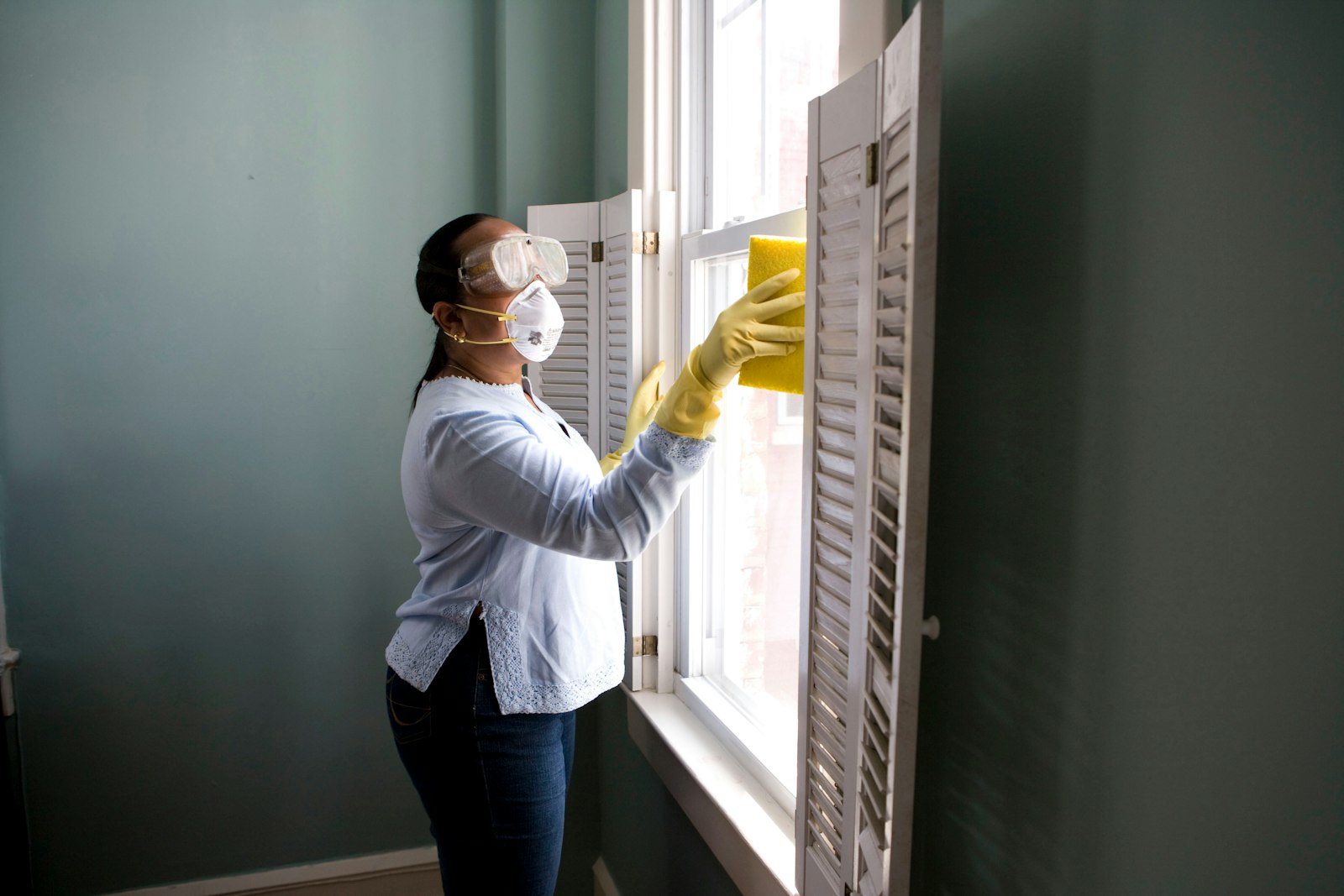
- Use appropriate PPE if you must work near damaged material — at minimum an N95 respirator.
- Photograph everything. Close-ups of the material, wide shots showing location, and any visible damage.
- Wash hands and equipment after working in areas with suspected friable ACM.
The Bottom Line
Asbestos inspection for home inspectors is about observation, documentation, and appropriate referral. You're not testing. You're not diagnosing. You're using your training and field experience to identify materials that warrant further evaluation, and you're communicating that clearly in your report.
Do it consistently, document it thoroughly, and your reports will protect both your clients and your business.
Speed up your field documentation with ReportWalk — dictate your findings by voice and let AI structure them into professional report narratives. No more typing out ACM observations with dirty gloves. Try ReportWalk free →