Restaurant Opening Checklist: The Opener's Walk, Back Door to Front Door, Before Service
A restaurant opening checklist is the list the opener works through before the doors open: the building secured and checked after the night, equipment switched on and up to temperature, fridges and freezers read and logged, deliveries checked and put away, the closing clean confirmed, prep on track for the pars, the dining room and toilets ready, the team briefed, and anything wrong written down for whoever needs to fix it. It's done every day, usually by the opening manager, the head chef or a senior opener, and it takes anywhere from fifteen minutes to the best part of an hour depending on the size of the site.
"Restaurant opening checklist" also gets used for the much bigger job of opening a new restaurant as a business: licences, fit-out, hiring, suppliers. That's a project plan. This page is the daily one: the opening walk-thru you do before every service.
It's laid out in the order you'd actually walk it, because order matters. An opening done from the office with a coffee, ticking a sheet from memory, misses the fridge that crept up overnight and the delivery left on the step.
Why the opening gets its own check
The night is when things go wrong unseen. A fridge door that didn't close, a fryer that tripped, a delivery dropped at 5am, a leak under the dish pass, a closing clean that got rushed because the last table stayed late. Nobody was there. The opening walk is the first time anyone looks.
The opening is also when you can still fix it cheaply. A fridge reading high at 8am means moving stock into the walk-in and calling an engineer. The same fridge found at 7pm means binning stock in the middle of service. Every fault found before the doors open costs less than the same fault found after.
And the opening log is evidence. Food safety rules in most places expect you to be able to show that temperatures are checked and that problems were dealt with. What exactly has to be recorded varies by country, state and local authority, and by what your own food safety plan says. Whatever the rule, a log with real numbers and times is what shows the checks happened.
1. Arrival and security
- Alarm off, and note anything odd. An alarm already unset, a code used at 3am, a door found unlocked.
- All doors and windows. Back door, fire exits, bin store, cellar or basement hatch. Anything forced or left open overnight gets written down before anything else.
- Overnight incidents. Check the closing notes or the log for anything the closer flagged: an equipment fault, a breakage, an incident with a guest, a staff issue.
- Cash and safe. Count the float and the safe if your house rules say the opener does, against the closing count. Two people where your policy says two.
- Walk the outside. Entrance, terrace, bin area. Rubbish, broken glass, anything left by the door, signs of pests round the bins.
2. Power, utilities and equipment on
Switch on in the order that gives the slow things time to come up.
- Lights: back of house first, then front.
- Heating, air conditioning and ventilation set for the day.
- Extraction hood on before any cooking equipment is lit. Filters in place and not dripping grease.
- Gas on, and pilots lit where your equipment needs it. Any smell of gas: stop, ventilate, don't switch anything on, follow your emergency procedure.
- Ovens, grills, griddles, salamanders, combi ovens on and heating.
- Fryers: oil level and condition, filtered or changed per your rota, thermostat coming up to set point.
- Dishwasher and glass washer: filled, chemicals connected and not empty, and the wash and rinse temperatures reading what the manufacturer specifies. Many commercial high-temperature machines aim for a final rinse of around 82 °C / 180 °F; low-temperature machines rely on chemical sanitiser instead, so check the sanitiser, not the thermometer.
- Ice machine running, ice clear, scoop stored outside the ice.
- Coffee machine on and up to pressure.
- Hand-wash sinks: hot water, soap, paper towels at every one.
3. Temperatures, logged as numbers
This is the part of the opening most likely to be checked by someone else later, so it's the part most worth doing properly.
- Every fridge, freezer and walk-in: read the thermometer or display and write down the number. Probe a product if the display looks wrong.
- Hot holding if anything is held hot from the start of service: probe it and write it down.
- Anything out of range: what you did about it, and when.
The limits come from your food safety plan and your local rules, and they differ by country. For context, cold holding is commonly kept at 5 °C / 41 °F or below, and freezers at around −18 °C / 0 °F. Hot holding is commonly 63 °C or above in the UK and 57 °C / 135 °F or above under the US Food Code. Use the figures your plan and your inspector use, not these.
A fridge that reads a degree or two high first thing may have been opened by the delivery driver or the early prep cook. Check it again in thirty minutes. If it's still high, move the stock, report it, and probe the food.
4. Deliveries and stock rotation
- Overnight or early deliveries: were they left outside, and for how long? Chilled and frozen goods sitting on a step need checking before they go in, not after.
- Check against the delivery note: quantities, substitutions, damaged packaging, use-by dates.
- Chilled and frozen probed on arrival if your plan requires it, and rejected if they're out.
- Put away first in, first out. New stock behind or under old.
- Date labels on everything opened or prepped: what it is, when it was made or opened, when it must be used by. Anything past its date goes.
- Raw below ready-to-eat in every fridge.
5. Cleanliness and pests
- Was the closing clean actually done? Floors, under the equipment, drains, the grill and the flat-top, the dish area. A clean that was rushed at midnight shows at 8am.
- Surfaces sanitised before prep starts.
- Bins emptied and lined.
- Pests: droppings, gnaw marks, insects in the traps or on the fly killer, anything in dry stores. Check the obvious places: dry store floor, behind the fridges, under the dish pass, the bin store. Any evidence of pests is reported straight away and the pest contractor called; on some sites it also means not opening until it's dealt with.
- Cleaning chemicals stored away from food, and labelled.
6. Prep and par levels
- Check the prep list against the pars for today's covers.
- What's short: anything that won't be ready for service, and what comes off the menu if it isn't.
- Mise en place for each section on track.
- Today's specials decided, costed and with allergen information written up.
- 86'd items known before the briefing, not discovered at the first order.
7. Front of house
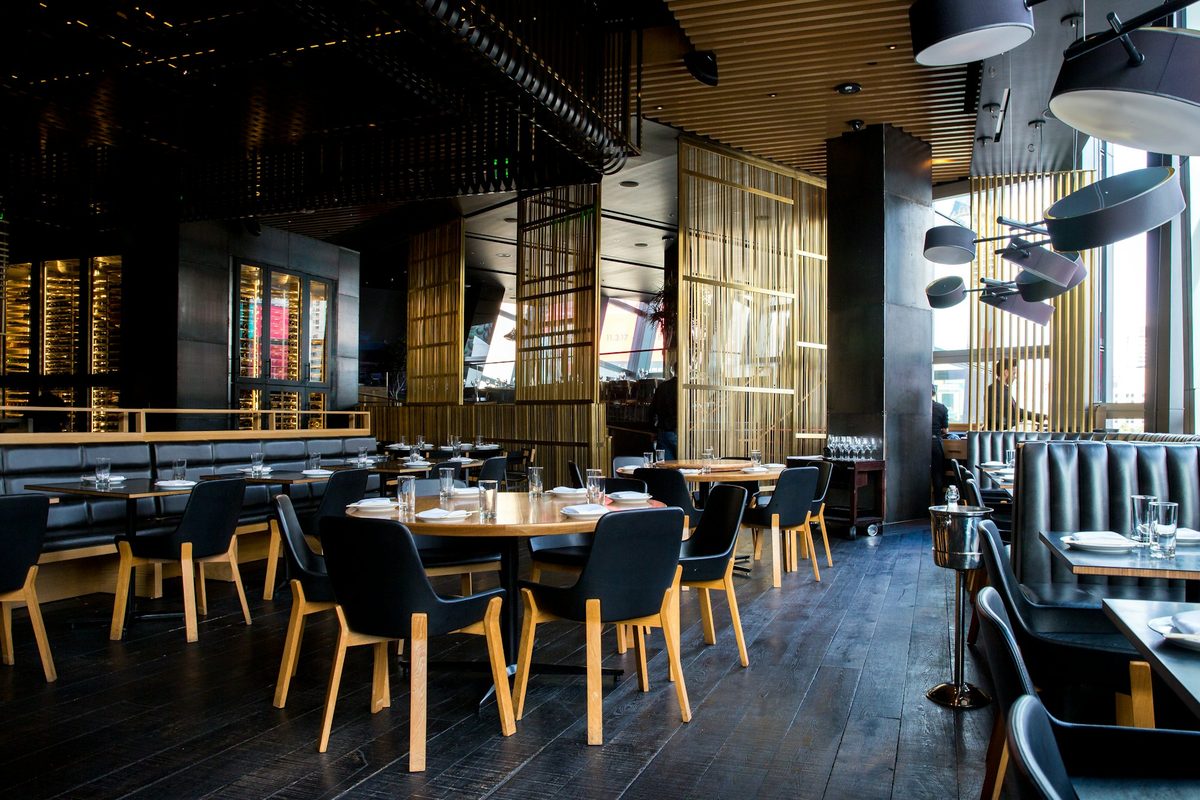
- Dining room set: tables, chairs, cutlery, glassware, linen, condiments, high chairs.
- Toilets: clean, stocked, working, nothing blocked or leaking. Guests notice the toilets more than almost anything else.
- Entrance and bar: clean glass, bar stocked, ice in, garnishes prepped.
- Menus: clean, correct, current prices.
- Specials board and the specials sheet match what the kitchen is making.
- Allergen information current: the allergen matrix or menu matches today's dishes, including specials and any recipe or supplier change. What you're required to provide varies by country; the risk of getting it wrong is the same everywhere.
- Tills, POS and card terminals on, logged in, paper in, and a test transaction if your terminals have been unreliable.
- Reservations and covers: today's bookings, large tables, allergies and dietary notes on the booking, VIPs, anything that changes the floor plan.
- Music, lighting levels, temperature right for the room.
8. Staff
- The rota against who actually turned up. Who's missing, who's late, and who's covering.
- Fit for work. Anyone with vomiting, diarrhoea or other symptoms your food safety rules list should report it before starting and should not handle food. The exclusion rules vary by jurisdiction; know yours and make reporting easy, not embarrassing.
- Uniform and hygiene: clean whites or uniform, hair tied back or covered, no jewellery where your policy says none, cuts covered with a blue plaster or equivalent.
- The pre-shift briefing: covers expected, big tables, specials, allergens in the specials and anything that changed, 86'd items, who's on which section, anything from yesterday that went wrong.
9. Safety
- Fire exits clear inside and out, unlocked or on the correct release, with the signs lit.
- Fire extinguishers and the fire blanket in place, and the extraction hood's fire suppression system, if you have one, showing no faults or tampering.
- First aid kit stocked, with blue plasters and burn dressings.
- Wet floors signed, mats down at the dish pass and the back door.
- Trip hazards: deliveries in walkways, cables, cages left in corridors.
- Knives and slicers stored safely, guards on.
10. The handover and the log
- Everything out of range or broken written down, with what was done and who was told.
- Faults reported to maintenance, the engineer or the area manager, not just noted.
- The closer told: if the closing clean missed something or a fridge was left open, the person who closed needs to hear it, or tomorrow will be the same.
- The log signed and timed: who did the opening, and when.
What most opening checklists get wrong
Ticked in the office from memory. The sheet gets filled in at the desk, after the walk, or instead of it. A list that says the dishwasher reached temperature, written by someone who never looked at the dishwasher, is worse than no list.
"OK" instead of a number. "Fridge 2: OK" tells nobody anything. "Fridge 2: 7 °C at 08:10, rechecked 08:40, 4 °C" tells an inspector, an engineer and your own head chef exactly what happened.
No time stamp. A temperature without a time can't show whether it was read before service or written up at the end of the night.
Faults found at open go nowhere. The opener notices the glass washer is leaking, works round it, and nobody calls anyone. The closer never hears that the walk-in was left ajar. The same problem is found again tomorrow.
The same list every day, so it gets skimmed. After a month, an unchanging fifty-line sheet is read with the eyes, not the brain. Keep the list tight, put the checks that actually catch things at the top, and change the order now and then so people have to read it.
Doing it on the floor
The opening happens on your feet, between the delivery driver, the early prep cook asking about the specials and the phone ringing. Hands are wet, gloved or full. Nobody stops at every fridge to fill in a form on a phone, which is why so many opening logs get written up in one go at the end of the walk, from memory, with every number a suspiciously round 3.
Speak while you walk, and the document the law or the client wants writes itself. Walk the site and say what you see: "Walk-in at 3 degrees. Fridge 2 on the pass at 7, door was ajar, closed it, recheck in half an hour. Dishwasher rinse at 83. Delivery from the veg supplier on the back step since about six, chilled bits probed at 6, rejected the cream. Allergen card for the mushroom special missing on the pass, photo, chef's writing it now. Toilet in the ladies running, photo, maintenance called." The numbers, the times, the photos and the actions are captured where they happened, and the opening record is finished before the first guest walks in.
Key Takeaway
There's no restaurant opening template yet. For now, the food premises self-inspection is the weekly deep check that sits behind the daily opening. It's free and fills in on a phone. ReportWalk is the iPhone app for doing the daily walk-thru by voice: speak and photograph as you go and the report writes itself. Your first three walks are free.
Related
- Food premises self-inspection: the weekly deep check behind the daily opening
- Hotel room inspection checklist: the hospitality sibling, room by room before a guest checks in
- Store visit report template: the area manager's visit; multi-site restaurant groups run the same visit across their sites
- Gemba walk checklist: walking the floor to understand the work, not just tick it
Frequently asked questions
What should be on a restaurant opening checklist? Security and overnight incidents, equipment switched on and up to temperature, fridge, freezer and hot-holding temperatures logged as numbers, deliveries checked and put away first in first out, the closing clean and any sign of pests, prep against par levels, the dining room, toilets, menus and allergen information, tills and card terminals, today's bookings, who's on shift and fit for work, the pre-shift briefing, fire exits and first aid, and a record of anything found and who was told.
Who should do the restaurant opening checklist? Usually the opening manager, head chef or a senior member of staff trained on it. On bigger sites the kitchen and front of house often split it, with each signing their own part.
How long should an opening take? Long enough to walk every area and read every thermometer. For a small restaurant that might be fifteen to twenty minutes; for a large site with several sections, longer. If it's taking five minutes, it's probably being ticked rather than done.
What temperature should restaurant fridges be at opening? Whatever your food safety plan and local rules set. For context, cold holding is commonly kept at 5 °C / 41 °F or below, but limits vary by country. Log the actual number and the time, and recheck anything reading high.
What's the difference between an opening checklist and a food safety self-inspection? The opening checklist is the daily walk before service: is everything on, at temperature, clean and ready today. A self-inspection is a deeper, less frequent check of the premises and your food safety system as a whole: structure, cleaning schedules, training records, pest control, supplier controls. The opening finds today's problems; the self-inspection finds the ones that have been building up.
Is a restaurant opening checklist a legal requirement? The checklist itself usually isn't, but in most places you're expected to be able to show that food safety checks such as temperature monitoring happen and that problems are acted on. A dated, timed opening record with real readings is one of the simplest ways to show that. Check what your local authority or health department expects.