How to Become a Home Inspector in Virginia: Complete 2026 Guide
If you're researching how to become a home inspector in Virginia, you're looking at a state with a structured licensing path, a varied housing stock, and steady real estate demand from Northern Virginia down to the Tidewater region. Virginia requires licensing through the Department of Professional and Occupational Regulation (DPOR), and the process is straightforward — but there are specific boxes you need to check before you can start charging for inspections.
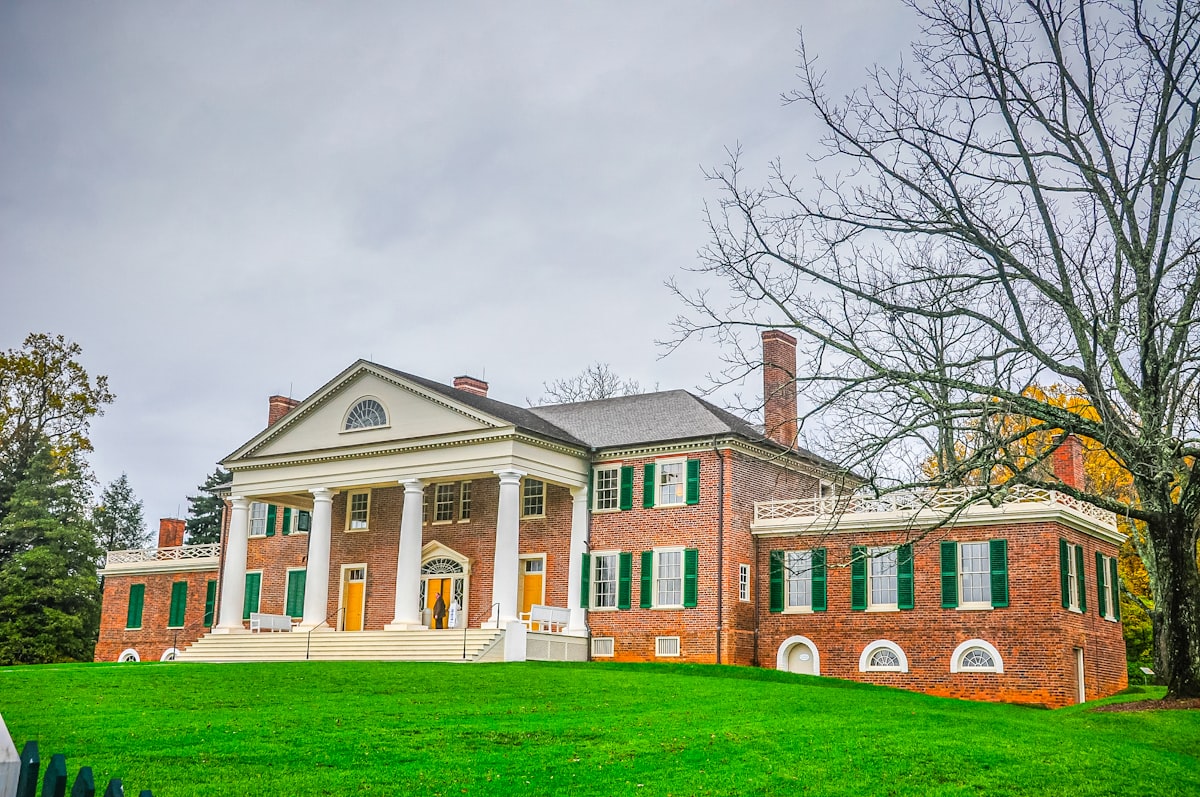
Virginia's market is genuinely interesting for inspectors. You'll see everything from Civil War-era historic homes in Richmond and Alexandria to brand-new military housing near Norfolk and Quantico. The climate throws curveballs too — humidity, moisture intrusion, and radon are all common findings that keep you busy and keep your reports detailed.
This guide walks through every step of the licensing process, what it costs, how long it takes, and what makes inspecting in the Commonwealth unique.
Why Virginia Is a Strong Market for Home Inspectors
Virginia is the 12th most populous state with roughly 8.7 million residents, and real estate transactions run strong throughout the year. Northern Virginia (NoVA) — Fairfax, Loudoun, Arlington, and Prince William counties — is one of the most active housing markets on the East Coast, driven by proximity to Washington D.C. and the federal workforce.
Note
Virginia processes over 130,000 home sales annually. The median home price statewide is approximately $380,000, but in Northern Virginia, it regularly exceeds $600,000. Higher-value homes mean higher inspection fees and clients who expect thorough, professional reports.
Beyond NoVA, the Hampton Roads area (Norfolk, Virginia Beach, Newport News, Hampton) has a massive military presence that generates consistent housing turnover. Richmond's market blends historic properties with suburban new construction. The Shenandoah Valley and Southwest Virginia offer more rural inspections with their own set of challenges — well water, septic systems, older construction methods.
Average inspection fees in Virginia run $350–$500 for a standard single-family home, with premium pricing in NoVA pushing to $500–$700 for larger properties.
Step 1: Understand Virginia's DPOR Licensing Requirements
Virginia regulates home inspectors through the Department of Professional and Occupational Regulation (DPOR), specifically under the Board for Asbestos, Lead, and Home Inspectors (ALHI Board). You must hold a valid Virginia home inspector license to perform inspections for compensation.
Licensing Requirements at a Glance
| Requirement | Details |
|---|---|
| Pre-license education | 35 hours (approved provider) |
| Supervised inspections | 25 ride-along inspections with a licensed VA inspector |
| Exam | National Home Inspector Examination (NHIE) |
| Insurance | E&O insurance or surety bond required |
| Application fee | $125 (initial license) |
| License duration | 2 years |
| Continuing education | 16 hours per renewal cycle |
The Virginia Path: Education + Field Work + Exam
Virginia's approach combines classroom knowledge with real-world field experience before you sit for the national exam. The three pillars are:
- 35 hours of approved pre-license education covering residential systems and Virginia-specific regulations
- 25 supervised ride-along inspections under a licensed Virginia home inspector
- Passing the NHIE (National Home Inspector Examination)
Compared to other states, Virginia sits in the moderate range for total requirements. Texas demands 194 education hours (see our Texas guide), while North Carolina requires 120 hours including field training (check our North Carolina guide). Virginia's 35-hour classroom plus 25 supervised inspections offers a balanced entry without dragging the process out for months.
Step 2: Complete Pre-License Education (35 Hours)
The 35-hour pre-license education course must be completed through a DPOR-approved provider. The curriculum covers all major residential systems you'll be inspecting:
- Structural components — foundations, framing, load-bearing walls, floor and ceiling systems
- Exterior — siding, trim, flashing, grading, drainage, walkways, retaining walls
- Roofing — coverings, flashings, gutters, chimneys, skylights, penetrations
- Plumbing — supply lines, drain/waste/vent, water heaters, fixtures, fuel storage
- Electrical — service entrance, panels, branch circuits, GFCI/AFCI protection, grounding
- HVAC — heating systems, cooling systems, ductwork, thermostats, heat pumps
- Interior — walls, ceilings, floors, stairs, railings, doors, windows
- Insulation and ventilation — attic insulation, vapor barriers, ventilation requirements
- Fireplaces — dampers, clearances, hearth extensions, chimneys
Our home inspection checklist is a great study companion alongside your coursework.
Approved Education Providers
Several organizations offer Virginia DPOR-approved education:
- AHIT (American Home Inspectors Training) — VA-specific packages in both online and classroom formats. Expect $500–$1,000.
- InterNACHI — Extensive online course library. Membership runs $49/month or $499/year. Confirm courses carry DPOR approval before enrolling.
- Kaplan Real Estate Education — Offers state-specific home inspector training.
- Virginia community colleges — Some offer approved home inspection programs at competitive pricing.
Key Takeaway
Online courses offer flexibility, but if you're completely new to construction, consider a live classroom or hybrid format. Having an instructor walk you through building science concepts in person can accelerate your learning significantly — especially for structural and electrical systems.
Step 3: Complete 25 Supervised Inspections
This is where Virginia's licensing process gets practical. Before you can apply for your license, you need to complete 25 supervised home inspections under a licensed Virginia home inspector.
What Counts as a Supervised Inspection
- The supervising inspector must hold a current, active Virginia home inspector license
- You must be present for the entire inspection — arrival through report writing
- The supervising inspector must review your work and sign off on each inspection
- You'll need to maintain a log documenting each supervised inspection (date, address, supervising inspector's name and license number)
Finding a Supervising Inspector
This is often the trickiest part of the process. Here's how to find one:
- Contact local ASHI or InterNACHI chapters — Many experienced inspectors are willing to mentor newcomers
- Reach out to inspection companies — Larger firms sometimes hire trainees and provide supervised inspections as part of onboarding
- Network at real estate events — Local REALTOR association meetings can connect you with active inspectors
- Ask your education provider — Many course providers maintain networks of supervising inspectors
Key Takeaway
Don't just ride along passively. Use each supervised inspection as a real training opportunity. Take your own notes, try to identify deficiencies before your supervisor points them out, and ask questions about report writing. These 25 inspections are the foundation of your field competence.
Timeline for Supervised Inspections
At 2–3 inspections per week, you can complete the 25 required ride-alongs in roughly 8–12 weeks. If you can schedule more frequently, some candidates finish in 5–6 weeks. Keep your documentation meticulous — DPOR may request verification.
Step 4: Pass the NHIE (National Home Inspector Examination)
The NHIE is the standard licensing exam used by most states, including Virginia. It's administered by the Examination Board of Professional Home Inspectors (EBPHI).
NHIE Details
| Detail | Info |
|---|---|
| Questions | 200 multiple-choice (175 scored, 25 unscored pretest) |
| Time | 4 hours |
| Passing score | Scaled score of 500+ (out of 700) |
| Fee | $225 |
| Testing centers | PSI/Pearson VUE locations throughout Virginia |
| Retake policy | Wait 30 days between attempts |
What the NHIE Covers
The exam tests your knowledge across three major domains:
- Property and Building Inspection/Site Review (85%) — Structural, exterior, roofing, plumbing, electrical, HVAC, interior, insulation, fireplaces
- Analysis of Findings and Report Writing (7%) — Interpreting conditions, communicating findings, report standards
- Professional Responsibilities (8%) — Standards of practice, ethics, legal considerations, business practices
Study Tips
- Use the NHIE Candidate Handbook — Free from homeinspectionexam.org. It outlines exactly what's tested.
- Take practice exams — InterNACHI offers free practice tests for members. AHIT includes practice exams in their course packages.
- Review your field notes — Your 25 supervised inspections will reinforce practical knowledge that shows up on the exam.
- Study building science fundamentals — Understanding why things fail (not just what to look for) helps you reason through unfamiliar questions.
Most candidates who've completed their education and supervised inspections pass on the first attempt. The exam isn't designed to trick you — it tests whether you can identify deficiencies and understand residential systems.
Step 5: Get E&O Insurance
Virginia requires home inspectors to carry either errors and omissions (E&O) insurance or a surety bond before licensure. E&O insurance is the standard choice for practicing inspectors.
What E&O Insurance Covers
- Claims alleging you missed a deficiency during an inspection
- Legal defense costs if a client sues over your report
- Damages awarded if you're found liable for an oversight
Typical Costs
| Coverage | Annual Premium |
|---|---|
| $100,000 per occurrence | $1,200–$1,800/year |
| $300,000 per occurrence | $1,800–$2,500/year |
| General liability add-on | $500–$800/year |
Popular providers for Virginia inspectors include:
- InspectorPro Insurance — Purpose-built for home inspectors, strong reputation
- OREP (Organization of Real Estate Professionals) — Competitive rates, bundled GL+E&O options
- Allen Insurance Group — Offers packages for InterNACHI members
For a deeper dive on coverage options, check our home inspector insurance guide.
Note
Many Virginia inspection companies require general liability insurance in addition to E&O. If you're starting your own business, budget for both. Combined GL + E&O policies typically run $2,000–$3,500/year depending on coverage limits and your experience level.
Step 6: Apply for Your Virginia License
Once you've completed education, supervised inspections, and passed the NHIE, you're ready to apply to DPOR.
Application Checklist
- ✅ Completed DPOR application form (available online)
- ✅ Proof of 35-hour pre-license education completion
- ✅ Documentation of 25 supervised inspections (log with dates, addresses, supervising inspector info)
- ✅ NHIE passing score report
- ✅ Proof of E&O insurance or surety bond
- ✅ Application fee: $125
- ✅ Background check (Virginia may conduct a criminal history check)
Processing Time
DPOR typically processes complete applications within 2–4 weeks. Incomplete applications get sent back, so double-check everything before submitting.
Total Costs to Get Licensed
| Expense | Cost |
|---|---|
| Pre-license education (35 hours) | $500–$1,000 |
| Supervised inspections (if paid) | $0–$2,500 |
| NHIE exam fee | $225 |
| E&O insurance (first year) | $1,200–$2,500 |
| DPOR application fee | $125 |
| Total estimated range | $2,050–$6,350 |
Key Takeaway
The supervised inspection cost varies wildly. Some inspectors mentor for free, some charge $50–$100 per ride-along. If you can find a company that hires trainees, you might earn money during this phase instead of spending it. Networking is worth the effort.
Step 7: Continuing Education and License Renewal
Virginia home inspector licenses are valid for 2 years. To renew, you must complete 16 hours of approved continuing education.
CE Requirements
- 16 hours per 2-year cycle
- Must be from DPOR-approved providers
- Topics should cover current standards of practice, emerging building technologies, and Virginia-specific regulations
- Renewal fee: $100
Staying Current
Beyond the minimum CE requirements, strong inspectors invest in ongoing learning:
- InterNACHI's online CE library — Hundreds of free courses for members
- ASHI InspectionWorld — Annual conference with intensive education sessions
- Specialty certifications — Radon testing, mold inspection, energy audits (all strong add-on services in Virginia's market)
Virginia-Specific Challenges Every Inspector Should Know
This is where Virginia gets interesting. The state's geography, climate, and housing stock create inspection challenges you won't encounter in every market.
Historic Homes
Virginia has one of the highest concentrations of historic homes in the country. Cities like Richmond, Alexandria, Fredericksburg, and Williamsburg are loaded with pre-Civil War and Colonial-era properties. Inspecting these homes requires understanding:
- Knob-and-tube wiring — Still present in many older homes, requires careful documentation
- Balloon framing — Common in pre-1940s construction, creates fire spread pathways between floors
- Plaster over lath walls — Not a deficiency itself, but cracks and bulges indicate structural movement
- Original stone or brick foundations — Different failure modes than modern poured concrete
- Lead paint — Present in most pre-1978 homes (see our lead paint inspection guide)
Note
When inspecting Virginia's historic homes, you're not there to determine historic preservation compliance — that's a different specialty. Your job is to assess the current condition of systems and components, regardless of the home's age or historic status. Document what you see, note the age-related risks, and recommend specialists where appropriate.
Humidity and Moisture Issues
Virginia's climate ranges from humid subtropical in the east to humid continental in the mountains. The summer humidity is relentless, particularly in the Tidewater and Piedmont regions. This means:
- Crawl space moisture is extremely common. Vapor barriers, dehumidifiers, and encapsulation are frequent recommendations. Our crawl space inspection guide covers this in detail.
- Mold growth shows up in basements, crawl spaces, attics, and behind walls — especially in homes with poor ventilation
- Wood rot and pest damage — The warm, moist climate is ideal for both wood-destroying organisms and termites
- HVAC condensation issues — Ductwork in unconditioned spaces (attics, crawl spaces) frequently shows condensation and insulation failures
Radon Zones
Virginia has significant radon risk, particularly in the western and northern parts of the state. The Shenandoah Valley, Blue Ridge region, and Northern Virginia all have elevated radon levels.
- EPA Zone 1 (highest risk) — Many Virginia counties fall in this category
- Radon testing certification — Adding radon testing to your service menu is a smart business move in Virginia
- Average radon mitigation cost — $800–$1,500, which makes the $150–$200 testing fee an easy upsell
For more on radon, check our radon inspection guide.
Military Housing and Base-Adjacent Properties
Virginia is home to some of the largest military installations in the country — including the Pentagon, Norfolk Naval Station, Joint Base Langley-Eustis, Fort Barfoot (formerly Fort Pickett), Marine Corps Base Quantico, and Joint Base Myer-Henderson Hall.
Properties near these bases have unique characteristics:
- High turnover — Military families relocate frequently, creating steady inspection demand
- VA loan inspections — You'll encounter VA loans regularly. While VA loans don't require a home inspection, most buyers still get one. Know the difference between a VA appraisal and a home inspection.
- Base housing privatization — Many bases have privatized housing managed by companies like Lincoln Military Housing. Inspections of these properties may have specific requirements or limitations.
- Proximity to restricted areas — Some properties near military bases may have environmental considerations (fuel storage, historical contamination)
Coastal and Flood Zone Properties
The Hampton Roads region and Virginia's Eastern Shore sit in flood-prone areas. Inspecting coastal properties means paying attention to:
- Flood zone designation — While determining flood zone status isn't your job, noting obvious flood risk indicators is appropriate
- Elevated foundations — Many coastal homes are built on pilings or elevated foundations
- Salt air corrosion — Exterior metal components, HVAC condensers, and electrical panels deteriorate faster near the coast
- Storm damage history — Look for signs of previous storm damage, particularly to roofing and siding
Timeline: How Long Does It Take?
Here's a realistic timeline for going from zero to licensed in Virginia:
| Phase | Duration |
|---|---|
| Pre-license education (35 hours) | 1–3 weeks |
| Supervised inspections (25 required) | 6–12 weeks |
| NHIE study and exam | 2–4 weeks |
| DPOR application processing | 2–4 weeks |
| Total estimated timeline | 3–6 months |
If you're highly motivated and can schedule supervised inspections frequently, the faster end of that range is achievable. Most people complete the process in about 4 months.
Getting Started After Licensing
Once your Virginia license arrives, you need to build a business. Here are the immediate priorities:
Essential Business Setup
- Business entity — Form an LLC or S-Corp. Virginia's SCC (State Corporation Commission) handles business registration.
- Professional website — Even a simple one-page site builds credibility with agents and clients
- Scheduling and reporting software — You need efficient tools from day one. Typing reports on-site eats into your earning time.
- Marketing to real estate agents — In Virginia, agent referrals drive the majority of inspection business
Building Your Reputation
- Join local ASHI or InterNACHI chapters for networking
- Attend Virginia Association of REALTORS events
- Ask satisfied clients for Google reviews — they matter enormously for local SEO
- Consider specialty add-ons (radon, mold, termite/WDI) to differentiate yourself
For a broader look at inspector earnings and business building, check our guide on how much home inspectors make.
Streamline Your Reports from Day One
One thing I'll tell any new inspector: don't underestimate how much time report writing takes. Your first reports might take 2–3 hours to write up after you leave the property. That's 2–3 hours you're not earning money.
Tools like ReportWalk let you narrate your findings by voice during the inspection and generate a professional report automatically. It's built for iOS and designed for inspectors who'd rather talk through their findings than type them. When you're trying to build volume in your first year, shaving an hour off each report adds up fast.
Final Thoughts
Virginia is a state that rewards prepared, professional home inspectors. The licensing process is manageable — 35 hours of education, 25 supervised inspections, the NHIE, and a DPOR application. The market is strong across multiple regions, from the high-value Northern Virginia corridor to the steady military-driven demand in Hampton Roads.
The key is treating the licensing process as actual training, not just box-checking. Those 25 supervised inspections are your real education. The classroom hours give you vocabulary and theory. The field work gives you eyes.
Get licensed, get insured, get efficient with your reporting, and start building relationships with agents in your target market. Virginia has room for inspectors who take the work seriously.
This guide is current as of early 2026. Licensing requirements can change — always verify current requirements directly with the Virginia DPOR before beginning the licensing process.