How to Become a Home Inspector in Maryland: Complete 2026 Guide
If you're researching how to become a home inspector in Maryland, you're looking at a state with steady transaction volume, diverse housing stock, and a licensing process that's straightforward once you know the steps. Maryland regulates home inspectors through the Department of Labor (DLLR — Department of Labor, Licensing and Regulation), and the path includes pre-license education, a national exam, supervised field experience, insurance, and a state application.
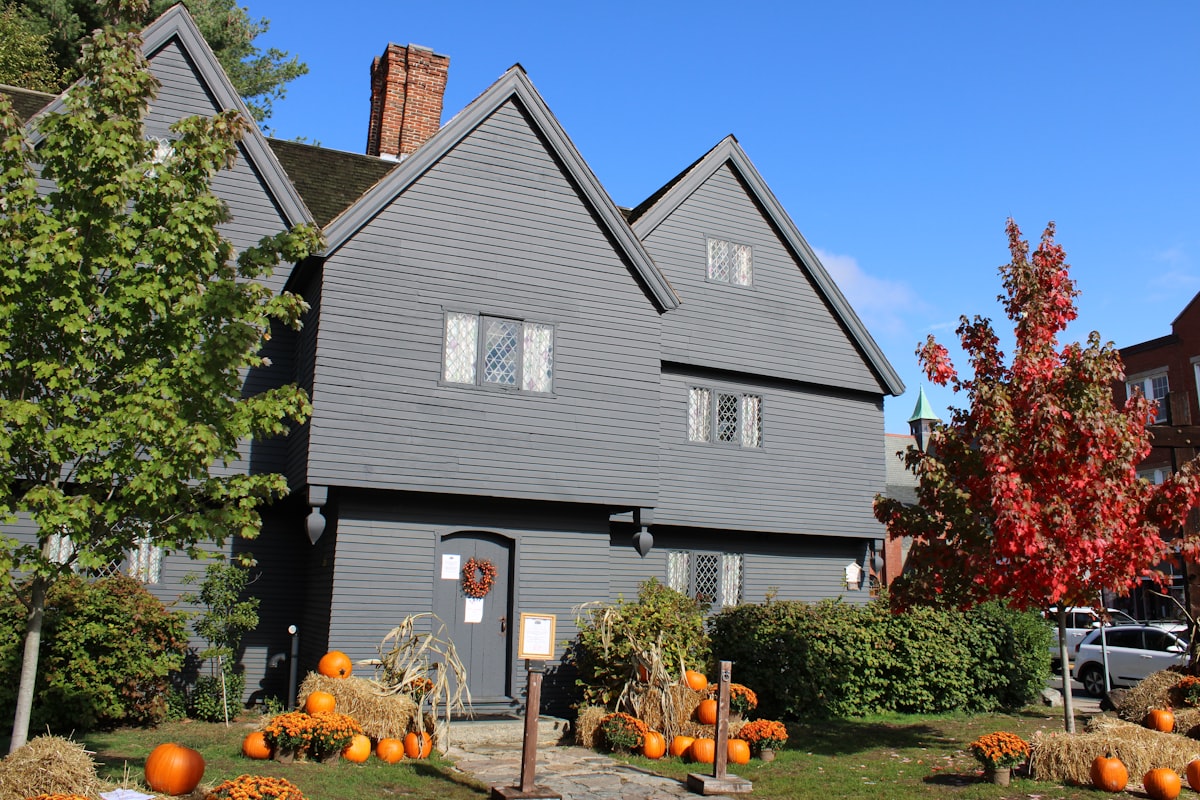
But here's what the licensing paperwork doesn't tell you: Maryland's geography throws curveballs that keep experienced inspectors on their toes. You've got Chesapeake Bay humidity eating away at crawl spaces on the Eastern Shore, century-old row homes in Baltimore with shared walls and questionable electrical, radon hotspots across western Maryland, and termite pressure that doesn't quit from May through October. The housing stock ranges from 1920s brick colonials to modern townhome communities, and each property type brings its own set of field challenges.
This guide covers the full licensing process, realistic costs, timeline, and the Maryland-specific conditions that'll define your day-to-day work in the field.
Why Maryland Is a Solid Market for Home Inspectors
Maryland packs roughly 6.2 million residents into a relatively small geographic footprint, making it one of the most densely populated states in the country. The state sees approximately 75,000–85,000 home sales annually, with the Baltimore metro, Montgomery County, and Prince George's County driving the bulk of transaction volume.
Note
Maryland's median home price hovers around $380,000–$420,000 statewide, with the DC suburbs in Montgomery and Howard counties pushing well above $550,000. Standard single-family inspection fees typically range from $350–$500, with higher rates in the DC corridor. Townhome and row home inspections are steady bread-and-butter work throughout the I-95 corridor.
The proximity to Washington, DC creates a unique dynamic. Federal employees, military families, and government contractors cycle through the housing market regularly, generating consistent inspection demand regardless of broader market conditions. Add a strong relocation market and you've got year-round work — not just the seasonal spikes you see in some states.
Maryland's mix of property types — row homes, colonials, split-levels, townhomes, waterfront properties, and new construction — means inspectors who diversify their skills stay busy. Ancillary services like radon testing, termite inspections, and sewer scope inspections are in high demand here and can significantly boost your per-inspection revenue.
Step 1: Understand Maryland Licensing Requirements
Maryland regulates home inspectors through the Maryland Department of Labor (DLLR), specifically the State Commission of Real Estate Appraisers, Appraisal Management Companies, and Home Inspectors. The state has required licensure for home inspectors since 2004, and enforcement is active.
Licensing Requirements at a Glance
| Requirement | Details |
|---|---|
| Pre-license education | 72 hours minimum (approved provider) |
| Exam | National Home Inspector Examination (NHIE) |
| Supervised inspections | 25 ride-along inspections with a licensed MD inspector |
| Insurance | E&O insurance required |
| Application fee | $300 (initial license) |
| License duration | 2 years |
| Continuing education | 24 hours per renewal cycle |
The Maryland Path: Education → Exam → Rides → Insurance → Application
Maryland's licensing framework is methodical but not as grueling as some neighboring states. Here's how it breaks down:
- 72 hours of approved pre-license education covering structural, electrical, plumbing, HVAC, roofing, exterior, insulation, interior, and site/lot components
- Passing the NHIE (National Home Inspector Examination) — Maryland accepts this as the sole qualifying exam
- 25 supervised inspections with a licensed Maryland home inspector who has held their license for at least 3 years
- E&O insurance — errors and omissions coverage is required before the state will issue your license
- Background check and application through DLLR
Compared to Virginia (which has no licensing requirement — see our Virginia guide) or Pennsylvania (which requires 200+ hours — see our Pennsylvania guide), Maryland strikes a reasonable middle ground. Enough education to be prepared, enough field time to build confidence, and a clear application path.
Step 2: Complete Your 72 Hours of Pre-License Education
Maryland requires 72 hours of pre-license education from a DLLR-approved education provider. The coursework covers all major residential systems:
- Structural components (foundation, framing, floors, walls, ceilings, roof structure)
- Exterior (siding, trim, flashing, drainage)
- Roofing (materials, flashing, gutters, skylights)
- Plumbing (supply, distribution, drainage, water heaters)
- Electrical (service entrance, panels, branch circuits, grounding)
- HVAC (heating, cooling, ductwork, ventilation)
- Insulation and ventilation
- Interior (walls, ceilings, floors, stairs, railings)
- Fireplace and chimney
- Site and lot (grading, drainage, driveways, walkways)
Education Provider Options
Several providers offer Maryland-approved courses, both online and in-person:
- AHIT (American Home Inspectors Training) — One of the largest national providers; offers a blended online/in-person format
- ICA School of Home Inspection — Fully online, self-paced
- Professional Home Inspection Institute (PHII) — Online with Maryland-specific content
- Local community colleges — Some Maryland community colleges offer home inspection courses that meet DLLR requirements
Key Takeaway
If you can swing it, choose a provider that includes hands-on field exercises. Maryland's housing stock has quirks — row home party walls, old coal-to-oil furnace conversions, balloon framing in pre-war homes — that are hard to learn from a screen alone. The classroom hours go faster when you're actually looking at components in a real house.
Budget roughly $500–$1,500 for pre-license education depending on the provider and format. Online-only tends to be cheaper; blended programs with field components cost more but deliver better preparation.
Step 3: Pass the NHIE (National Home Inspector Examination)
The NHIE is a 200-question, multiple-choice exam administered by the Examination Board of Professional Home Inspectors (EBPHI). Maryland accepts the NHIE as its sole qualifying examination — no separate state exam required.
NHIE Essentials
| Detail | Info |
|---|---|
| Questions | 200 multiple-choice (25 are unscored pretest items) |
| Time limit | 4 hours |
| Passing score | Scaled score varies; roughly 70%+ |
| Fee | $225 |
| Test centers | Pearson VUE locations across Maryland |
| Retake policy | Can retake after 30 days; no limit on attempts |
The exam covers three main domains: property and building inspection, analysis of findings, and reporting. It's comprehensive, and the questions test applied knowledge — you won't just be reciting definitions. Expect questions about identifying defects, understanding system interactions, and knowing when to recommend further evaluation.
Study resources: NHIE prep courses from Kaplan, CompuCram, and similar providers run $100–$200 and are worth the investment. The pass rate nationally hovers around 60–65% on first attempts, so don't walk in underprepared.
Step 4: Complete 25 Supervised Inspections
Maryland requires 25 ride-along inspections under a licensed Maryland home inspector who has held their license for at least 3 years. This is your real-world training phase, and it matters more than any classroom hour.
What Counts as a Supervised Inspection
Each ride-along must be a full residential inspection where you participate actively — observing, assisting with documentation, and learning the workflow. Your supervising inspector must sign off on each completed inspection.
Finding a Mentor Inspector
This is often the biggest bottleneck for new inspectors. Strategies that work:
- Join ASHI (American Society of Home Inspectors) or InterNACHI and attend local Maryland chapter meetings
- Contact established Maryland inspection firms — many are willing to bring on ride-along candidates, especially if they're considering hiring
- Network at local real estate events — real estate agents often know the busiest inspectors in their market
- Post in Maryland home inspector forums and Facebook groups — the Maryland inspector community is active online
Key Takeaway
Try to ride with inspectors who work different property types and different regions of Maryland. Twenty-five inspections on identical suburban colonials in Columbia won't prepare you for a 1920s row home in Fells Point or a waterfront property in Annapolis. Variety during your ride-alongs translates directly to confidence on your first solo inspections.
Budget for this phase: your supervising inspector may charge a mentorship fee ($50–$100 per ride-along is common) or may offer ride-alongs for free in exchange for your help. Either way, factor this into your startup costs.
Step 5: Get E&O Insurance and Apply
Maryland requires errors and omissions (E&O) insurance before issuing your license. Most inspectors carry $250,000–$500,000 in coverage to start.
Insurance Options
- InspectorPro Insurance — Industry-specific E&O policies starting around $1,200–$1,800/year
- FREA (Foundation of Real Estate Appraisers) — Offers home inspector E&O policies
- Allen Insurance Group — Popular among newer inspectors for competitive rates
General liability insurance ($1M+ coverage) is also strongly recommended, though not strictly required by the state. Most real estate agents and referral networks expect both E&O and GL coverage.
Application Checklist
Once you have your education, NHIE score, ride-along documentation, and insurance certificate, submit your application to DLLR:
- Completed application form
- Proof of 72 hours of approved education
- Official NHIE score report (passing)
- Documentation of 25 supervised inspections (signed by supervising inspector)
- Proof of E&O insurance
- Application fee: $300
- Background check authorization
Processing typically takes 2–4 weeks. Once approved, you'll receive your Maryland Home Inspector license, valid for 2 years.
Step 6: Continuing Education and Renewal
Maryland requires 24 hours of continuing education per 2-year renewal cycle. At least 6 hours must cover Maryland-specific topics (Maryland Standards of Practice, Maryland home inspection law, etc.).
The renewal fee is $300 every 2 years. E&O insurance must remain active throughout your license period — letting it lapse can trigger license suspension.
Stay current with ASHI and InterNACHI CE offerings. Both organizations provide online courses that satisfy Maryland's requirements, and the Maryland-specific modules keep you up to date on any regulatory changes.
Total Cost Breakdown: Getting Licensed in Maryland
| Expense | Estimated Cost |
|---|---|
| Pre-license education (72 hours) | $500–$1,500 |
| NHIE exam fee | $225 |
| NHIE prep course (recommended) | $100–$200 |
| Supervised inspection fees (25 rides) | $0–$2,500 |
| E&O insurance (first year) | $1,200–$1,800 |
| General liability insurance (recommended) | $500–$800 |
| DLLR application fee | $300 |
| Tools and equipment (starter kit) | $500–$1,000 |
| Total estimated investment | $3,325–$8,325 |
Note
Most Maryland inspectors reach profitability within 6–12 months of starting solo work. At $350–$500 per inspection and a realistic pace of 15–20 inspections per month after building referral relationships, the math works. The DC suburbs and Baltimore metro markets are particularly strong for new inspectors willing to hustle early.
Realistic Timeline: Classroom to First Solo Inspection
| Phase | Duration |
|---|---|
| Pre-license education | 3–6 weeks (self-paced online) or 2 weeks (intensive) |
| NHIE preparation and exam | 2–4 weeks |
| 25 supervised inspections | 2–4 months (depending on mentor availability) |
| Application processing | 2–4 weeks |
| Total | 3–6 months |
The supervised inspection phase is the variable. If your mentor inspector is busy and can bring you along frequently, you can knock out 25 rides in 6–8 weeks. If availability is limited, it could stretch to 3–4 months.
Maryland-Specific Inspection Challenges
This is where Maryland separates prepared inspectors from everyone else. The state's geography, climate, and housing stock create field conditions you need to understand before you go solo.
Humidity, Moisture, and the Chesapeake Bay Effect
Maryland's proximity to the Chesapeake Bay and the Atlantic coast means humidity is a constant factor, particularly on the Eastern Shore and in the tidewater regions south of Annapolis. Crawl spaces in these areas are moisture battlegrounds — you'll encounter standing water, vapor barrier failures, wood rot, and mold growth with regularity.
Even inland, Maryland summers bring sustained humidity that stresses HVAC systems, promotes condensation on ductwork, and accelerates deterioration in poorly ventilated attics and basements. Your moisture meter and hygrometer become essential tools here. Document everything — relative humidity readings, moisture meter readings on framing, and visible indicators like efflorescence on foundation walls.
Baltimore Row Homes
Baltimore's iconic row homes — thousands of them, many dating to the late 1800s and early 1900s — present unique challenges:
- Shared party walls make it difficult to assess structural conditions on neighboring sides
- Flat or low-slope roofs with modified bitumen or built-up roofing that pool water
- Aging plumbing — many row homes still have original cast iron drains and galvanized supply lines
- Coal-to-oil or coal-to-gas conversions where old coal chutes, abandoned flues, and retrofitted heating systems create documentation puzzles
- Knob-and-tube wiring mixed with later electrical upgrades, often creating junction issues
- Basement flooding — Baltimore's combined sewer system means heavy rain events can push sewage backup into below-grade spaces
Row home inspections take longer than suburban single-family homes. Budget your time accordingly, and make sure your report template handles party wall limitations and shared system documentation.
Radon in Western Maryland
Western Maryland — Frederick, Washington, Allegany, and Garrett counties — sits on geology that produces elevated radon levels. The EPA has identified many of these counties as Zone 1 (highest radon potential), meaning predicted average indoor levels exceed 4 pCi/L.
Radon testing is a strong add-on service in western Maryland. If you're working this market, invest in continuous radon monitors (CRMs) and get certified. Our radon inspection guide covers the testing protocol in detail.
Termite Activity
Maryland sits squarely in the moderate-to-heavy termite pressure zone. Subterranean termites are active statewide, with the heaviest activity in the southern and eastern counties where warm, moist soil conditions are ideal. Termite damage shows up regularly in crawl spaces, sill plates, floor joists, and anywhere wood contacts or is close to soil.
While full termite inspections (Wood Destroying Insect Reports) require a separate pest control license in Maryland, you should know what termite damage looks like and when to recommend a WDI inspection. Most real estate transactions in Maryland include a WDI report as a standard requirement.
Old Housing Stock and Lead Paint
Maryland has a significant inventory of homes built before 1978, when lead-based paint was banned. Baltimore City alone has tens of thousands of pre-1978 residences. Maryland has some of the most aggressive lead paint laws in the country, driven by the state's history of childhood lead poisoning cases.
As a home inspector, you're not performing lead paint testing unless separately certified, but you need to understand what deteriorating lead paint looks like, where it's most commonly found (window sills, door frames, exterior trim, stair railings), and how to advise clients on next steps. Flagging peeling, chipping, or chalking paint on pre-1978 homes is part of your professional responsibility.
Coastal and Flood Zone Properties
Maryland's Eastern Shore and southern coastal areas include significant flood zone territory. Properties in FEMA-designated flood zones present inspection considerations including:
- Elevated foundations and flood vents
- Flood damage history and remediation quality
- Grading and drainage patterns around the structure
- Moisture intrusion signs in below-grade or ground-level spaces
- HVAC equipment elevation and protection
Understanding flood zone implications and how to document them properly sets you apart from inspectors who treat every property the same way.
Building Your Maryland Inspection Business
Once licensed, the real work begins — building a referral network and establishing your reputation.
Key Strategies for Maryland Inspectors
- Real estate agent relationships drive 70–80% of inspection referrals in Maryland's market. Attend local Realtor association meetings, sponsor CE classes, and deliver reports that make agents' lives easier.
- Specialize in your local market — an inspector who knows Baltimore row homes inside and out, or who understands Eastern Shore moisture challenges, earns referrals that generalists miss.
- Add ancillary services — radon testing, sewer scopes, and WDI inspections (with proper licensing) increase your revenue per inspection significantly.
- Invest in reporting software that produces clear, photo-rich reports with fast turnaround. Agents and clients judge your professionalism by the report you deliver. Tools like ReportWalk let you document findings by voice while you're still on-site, so the report is nearly finished by the time you walk out the door.
- Join professional organizations — ASHI Maryland Chapter and InterNACHI provide networking, CE credits, and credibility with referral sources.
Final Thoughts
Maryland offers a strong, stable market for home inspectors who are willing to invest in proper training and develop expertise in the state's unique property challenges. The licensing process through DLLR is clear-cut: 72 hours of education, the NHIE, 25 supervised inspections, E&O insurance, and a $300 application. Most people complete it in 3–6 months.
The inspectors who thrive in Maryland are the ones who understand that this state's housing stock demands attention to moisture, aging systems, and regional variations. A row home in Federal Hill is a different animal than a waterfront colonial in St. Michaels, and both are different from a new townhome in Clarksburg. Build that range, and you'll build a career.
If you're looking to streamline your reporting from day one, ReportWalk helps inspectors capture findings by voice and generate professional reports on-site — so you can focus on the inspection instead of the paperwork. Available on iPhone.